


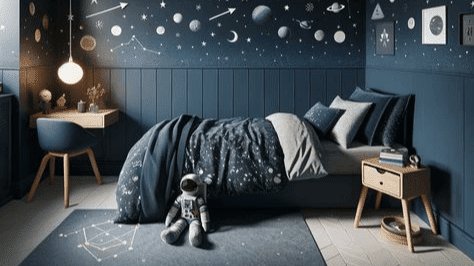
Designing a children’s room is one of the most exciting projects for parents and caregivers, but it can also be one of the most challenging. This space needs to balance fun and imagination with practicality, comfort, and safety, all while supporting a child’s growth, development, and creativity. From imaginative children’s room décor to practical bedroom solutions for growing kids, there is a world of possibilities to explore.
A well-designed children’s room should evolve alongside your child. While bright colours and playful themes are tempting, long-term functionality and adaptability are just as important. In this guide, we explore the best room decorating ideas for kids, playroom design inspiration, and even small nursery décor concepts to help you create a space that feels joyful, organised, and future-proof.
Bright, energetic, and full of personality—let’s dive into the world of creative kids’ room transformations.

Kids Room Decoration Ideas That Will Trigger Innovation in 2025
Before diving into specific ideas, it is important to understand why children’s room décor matters so much. A child’s room is not just a place to sleep—it is where they learn, play, imagine, and express themselves. The environment they grow up in can influence their confidence, creativity, and sense of independence.
Think of a child’s room as a blank canvas. It should inspire imagination while remaining calm enough to support rest and focus. Achieving the right balance between playful design and organised functionality is key. Too much visual stimulation can feel overwhelming, while overly neutral spaces may lack personality.
This is where thoughtful planning comes in. With a strong foundation inspired by Interior Design London, a child’s room can be both visually engaging and highly functional. Smart layouts, adaptable furniture, and layered décor ensure the space grows with your child rather than needing frequent redesigns.
Creating the Perfect Children’s Bedroom Decor
A child’s bedroom is the heart of their personal space. Whether you are designing for a newborn, toddler, or pre-teen, the bedroom must cater to sleeping, playing, and often studying—all within one environment.
1. Choose the Right Colours
Colour plays a powerful role in shaping mood and behaviour. Bright shades such as blues, yellows, and pinks are playful and energetic, but softer tones—particularly pastels—create a more calming environment, especially for nurseries and younger children.
A neutral base, such as soft white, beige, or light grey, allows the room to evolve over time. Pops of colour can then be introduced through accessories, bedding, rugs, and wall art. A professional Colour Consultation helps ensure the palette remains soothing while still feeling joyful and age-appropriate.
2. Multi-Functional Furniture
Flexibility is essential in children’s bedrooms. Multi-functional pieces such as storage beds, convertible cots, desks that double as play tables, and built-in shelving help maximise space and keep clutter at bay.
Thoughtfully planned Custom Furniture Design ensures that furniture fits the room perfectly, improves organisation, and adapts as your child grows.
3. Personalised Details
Children love seeing their personalities reflected in their surroundings. Personal touches such as name plaques, wall decals, or themed artwork featuring favourite animals or hobbies help them feel ownership of the space.
This is where curated Furniture Selections and accessories come together to create a cohesive yet playful design.

How to Design the Perfect Playroom for Your Kids
A playroom is where imagination truly comes to life. It should encourage creativity while remaining organised and easy to maintain.
1. Themed Rooms
Themed rooms bring excitement and cohesion to a space. Popular themes include space, jungles, underwater worlds, or storybook characters. Use themed wallpaper, murals, or decals sparingly to avoid overwhelming the room.
A single Feature Walls concept—such as a mural or wallpaper panel—can act as a focal point while keeping the rest of the room flexible.
2. Fun Lighting
Lighting adds atmosphere and magic. Fairy lights, star-shaped lamps, or soft-glow night lights make playtime feel special while still supporting bedtime routines. Dimmer switches are ideal for transitioning from play to rest.
3. Activity Zones
Creating dedicated zones—such as a reading corner, creative art station, and play area—helps children engage with different activities while keeping the room organised. Zoning also encourages independence and routine.
4. Interactive Walls
Interactive walls take playrooms to the next level. Chalkboard paint, magnetic boards, or peel-and-stick decals allow children to express themselves creatively and adapt the room as they grow.
Top Tips for Designing a Fun and Stylish Kids’ Bedroom
Children grow quickly, and their tastes change just as fast. Designing with flexibility ensures the room remains functional and stylish over time.
1. Incorporate Their Interests
From dinosaurs to space exploration, children feel most comfortable in spaces that reflect their interests. Introduce themes subtly through artwork, cushions, or accessories rather than permanent fixtures.
2. Focus on Flexibility
Choose furniture that evolves with your child. Storage units can later become study spaces, and toy chests can transform into seating or reading nooks.
3. Prioritise Comfort
Soft textiles, cosy rugs, and supportive mattresses ensure the room feels inviting. Comfort is essential, as children spend a significant amount of time resting, playing, and relaxing in their bedrooms.
Ideas for Modern Room Decor for Kids
1. Sleek, Clean Lines
Minimalist furniture with clean lines and neutral tones creates a timeless base that adapts easily as children grow older.
2. Smart Storage Solutions
Hidden drawers, integrated shelving, and multifunctional furniture help maintain a tidy environment without compromising style.
3. Focus on Sustainability
Eco-friendly materials, non-toxic paints, and natural fabrics contribute to healthier living environments while teaching children the value of sustainability.
A professional Interior Decorator London can guide you in selecting materials and finishes that balance style, durability, and wellbeing.
Conclusion: Make Your Child’s Room a Space They Will Love

