


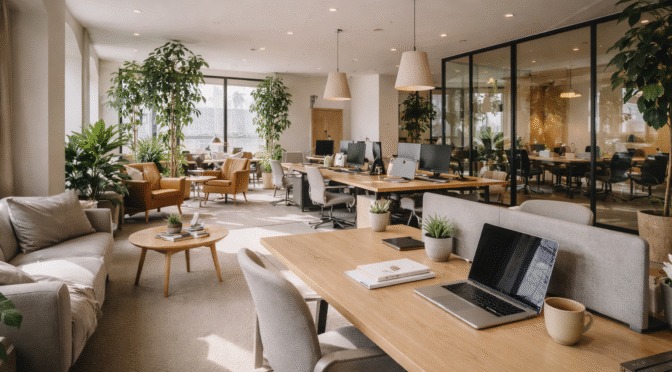
The modern workplace has changed dramatically over the past decade. Offices are no longer just places where people sit at desks from nine to five. They are environments that influence productivity, collaboration, well-being, brand perception, and even employee retention. This shift has made the role of an experienced office interior designer more critical than ever.
In a competitive business landscape like London, companies are increasingly recognising that workplace design is a strategic investment, not an aesthetic afterthought. Whether you are launching a new office, expanding a growing team, or redesigning an outdated workspace, the right design decisions can directly impact performance and long-term success.
This guide explores how professional office interior designers create productive and modern workspaces, what businesses should prioritise, and why working with a specialist design partner delivers measurable value.
Why Office Interior Design Matters More Than Ever?
Workplace expectations have evolved. Employees now expect offices to support focus, collaboration, flexibility, and wellbeing, all while reflecting the company’s culture and values.
Thoughtful office design helps businesses:
- Improve employee productivity and focus
- Encourage collaboration and communication
- Support hybrid and flexible working models
- Enhance employee well-being and satisfaction
- Strengthen brand identity for clients and visitors
An experienced office interior design company understands how these factors intersect and translates them into spaces that work both practically and emotionally.
The Role of an Office Interior Designer
An office interior designer does far more than select furniture or colour palettes. Their role is to align spatial planning, design strategy, and business objectives into one cohesive environment.
A professional office interior designer typically supports businesses with:
- Workplace analysis and space planning
- Layout optimisation for teams and workflows
- Lighting, acoustics, and ergonomic planning
- Brand integration into physical space
- Furniture specification and coordination
- Project management and implementation
This holistic approach ensures that the workspace supports how people actually work, not just how the office looks.
Designing Offices for Productivity, Not Just Appearance
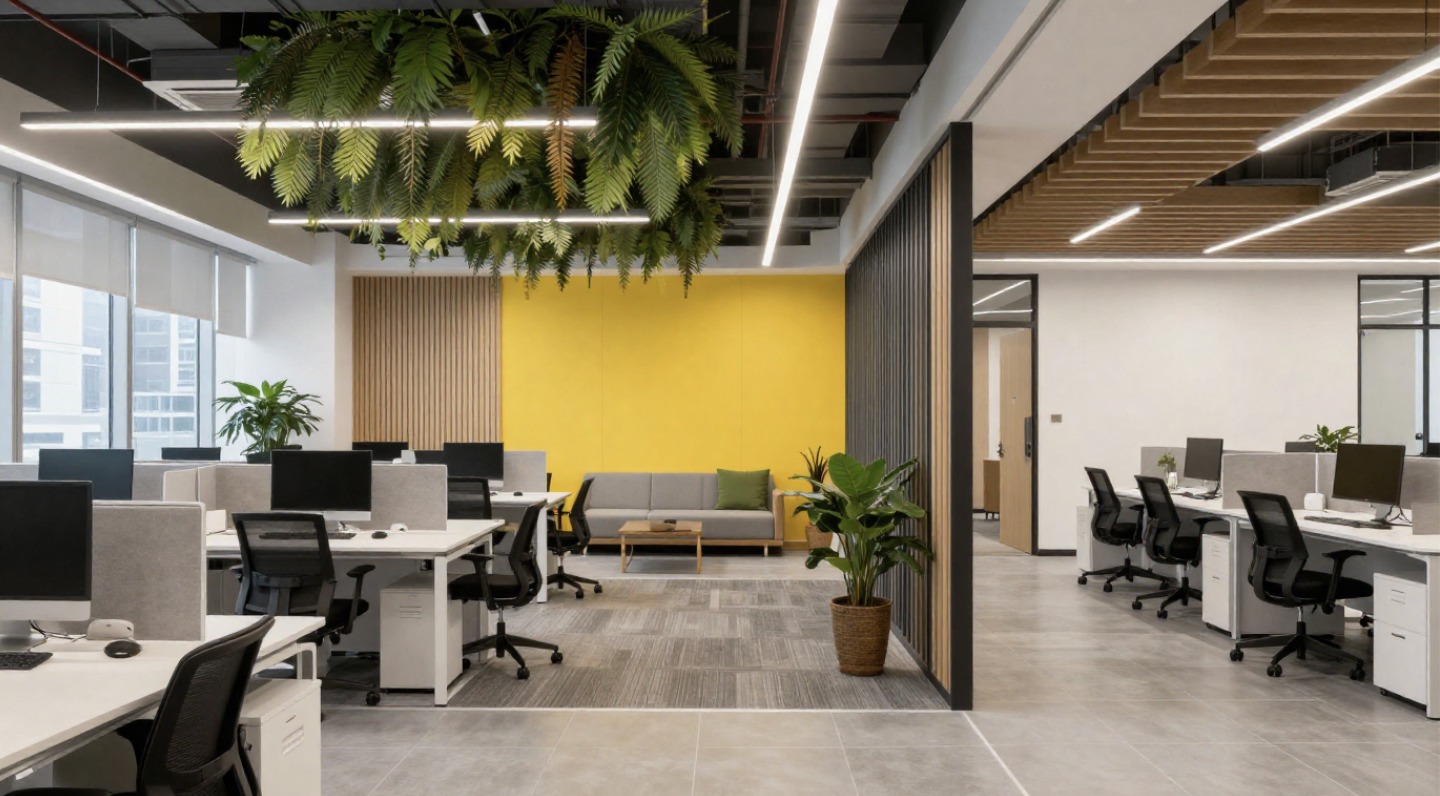
A visually attractive office is important, but productivity is driven by how well a space functions. Poor layouts, excessive noise, or inadequate lighting can quietly undermine even the most talented teams.
High-performing office interiors prioritise:
- Clear zoning for focused and collaborative work
- Logical circulation paths to reduce disruption
- Access to natural light wherever possible
- Comfortable, ergonomic furniture
- Acoustic solutions to manage noise
Professional designers use data, observation, and experience to create layouts that minimise friction and maximise efficiency across departments.
Space Planning: The Foundation of Effective Office Design
Every successful office project begins with intelligent space planning. Before any finishes or furniture are selected, designers assess how the space will be used day to day. While aesthetics and Office Interior Design Trends often capture attention, functionality must always lead the process.
Key considerations include:
-
Team size and future growth
-
Department relationships and workflows
-
Meeting room requirements
-
Storage and back-of-house needs
-
Client-facing vs internal areas
By designing around real usage patterns, while aligning with relevant Office Interior Design Trends, an office interior design company ensures the space remains effective, adaptable, and future-ready as the business evolves.
Designing Modern Offices That Support Hybrid Working
Hybrid working has permanently changed how offices function. Today’s workplaces must support a mix of in-office collaboration and remote connectivity.
Modern office interiors incorporate:
- Flexible desk arrangements
- Multi-purpose meeting spaces
- Video conferencing–ready rooms
- Quiet zones for focused work
- Informal breakout and social areas
Designers create adaptable environments that can scale up or down depending on daily occupancy, ensuring the office remains relevant and efficient.
For deeper insights, see: How to create a functional modern office?
Lighting Design and Its Impact on Performance
Lighting is one of the most influential elements in office design. Poor lighting causes eye strain, fatigue, and reduced concentration, while well-planned lighting improves mood and productivity.
Effective office lighting design includes:
- Maximising natural daylight
- Layered artificial lighting (ambient, task, accent)
- Adjustable lighting for different tasks
- Glare reduction for screen-based work
Professional office designers integrate lighting seamlessly into the overall design rather than treating it as an afterthought.
Acoustic Comfort: A Productivity Essential
Noise is one of the most common complaints in open-plan offices. Without proper acoustic planning, even the most attractive workspace can become stressful and unproductive.
Office interior designers address acoustics through:
- Sound-absorbing materials
- Acoustic panels and ceiling treatments
- Zoning noisy and quiet activities
- Strategic furniture placement
By managing sound effectively, offices support both collaboration and concentration without compromise.
Furniture and Ergonomics: Designing for Wellbeing
Employee well-being is now a central consideration in workplace design. Ergonomic furniture reduces fatigue, prevents injury, and improves comfort, directly impacting productivity.
Professional designers specify:
- Ergonomic task chairs
- Adjustable desks
- Proper monitor positioning
- Comfortable meeting room seating
These decisions ensure the office supports long hours of focused work without negatively affecting health.
Brand Identity in Office Interior Design
An office is a physical expression of a brand. From reception areas to meeting rooms, the interior should communicate professionalism, values, and personality.
Designers integrate branding through:
- Colour palettes aligned with brand identity
- Custom signage and graphics
- Material choices that reflect brand tone
- Consistent design language throughout the space
This is especially important for client-facing businesses, where first impressions matter.
Office Design Trends Shaping London Workspaces
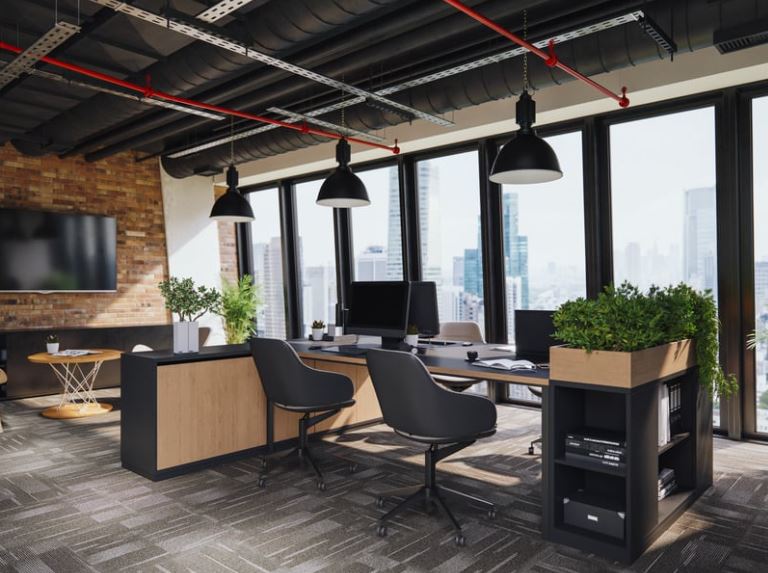
Office interiors continue to evolve alongside work culture. London offices are increasingly influenced by trends that prioritise flexibility, sustainability, and employee experience.
Key trends include:
- Biophilic design and natural materials
- Flexible, modular furniture systems
- Wellness-focused layouts
- Sustainable and low-impact materials
- Hospitality-inspired breakout areas
Professional designers adopt trends selectively, ensuring longevity rather than short-lived style choices.
Cost Considerations: Budgeting for Office Interior Design
Understanding cost early helps businesses plan effectively. Office design costs vary depending on size, complexity, specification level, and location.
An experienced office interior design company provides transparent budgeting and helps prioritise investment where it delivers the most value.
Well-planned office design often saves money long-term by avoiding inefficient layouts, premature replacements, and costly reconfigurations.
Sustainability and Responsible Office Design
Sustainability is no longer optional. Many businesses are actively seeking environmentally responsible office interiors that align with corporate values.
Sustainable office design includes:
- Energy-efficient lighting and systems
- Durable, long-life materials
- Responsible sourcing and procurement
- Designs that reduce waste over time
Designers balance sustainability goals with performance, ensuring responsible choices do not compromise functionality or aesthetics.
Why Businesses Choose Professional Office Interior Designers?
While some companies attempt office redesigns internally, professional design consistently delivers better outcomes.
Benefits include:
- Reduced disruption during implementation
- Better space utilisation
- Higher employee satisfaction
- Stronger brand perception
- Future-proofed design decisions
An experienced office interior designer anticipates challenges before they arise, protecting both budget and timeline.
Office Design as a Long-Term Business Asset
A well-designed office is not a one-time upgrade; it is a long-term asset that supports growth, culture, and performance.
By working with a specialist office interior design company, businesses create spaces that adapt, inspire, and perform over time rather than becoming obsolete within a few years.
Measuring the ROI of Office Interior Design
For many businesses, office interior design is no longer viewed as a discretionary expense but as a measurable investment. While design quality is immediately visible, its true value is reflected in long-term performance metrics that impact both people and profitability.
One of the most direct returns comes from improved productivity. Well-designed offices reduce distractions, support focused work, and enable smoother collaboration. Even small gains in efficiency across teams can translate into significant financial benefits over time. An experienced office interior designer understands how layout, acoustics, and lighting influence these outcomes and designs accordingly.
Employee retention is another key factor. Work environments that prioritise comfort, wellbeing, and flexibility tend to see higher satisfaction levels. In competitive talent markets like London, a modern, thoughtfully designed office becomes a powerful recruitment and retention tool. Staff are more likely to stay in workplaces where they feel supported and valued, reducing the high costs associated with turnover.
Office design also influences brand perception. Clients, partners, and investors often form opinions within moments of entering a workspace. A professional, cohesive environment signals credibility, stability, and attention to detail. This intangible brand value plays an important role in business development and trust-building.
From a financial perspective, professional design reduces waste. Poorly planned offices often require frequent reconfiguration, furniture replacement, or costly corrections. A specialist office interior design company anticipates future needs, helping businesses avoid unnecessary redesigns and extend the lifespan of the space.
Finally, adaptability adds long-term value. Offices designed with flexibility in mind can respond to organisational changes, team growth, or evolving work patterns without major disruption. This resilience ensures that the workspace continues to serve the business effectively as priorities shift.
When measured across productivity, people, brand, and operational efficiency, office interior design delivers returns that extend far beyond aesthetics, making it a strategic investment in long-term business success.
Designing Offices That Work for People and Business
Modern office design is about balance, between collaboration and focus, flexibility and structure, aesthetics and performance.
With the guidance of Oraanj Interiors, businesses can transform their workspaces into environments that support people, reflect brand values, and deliver measurable results.


