


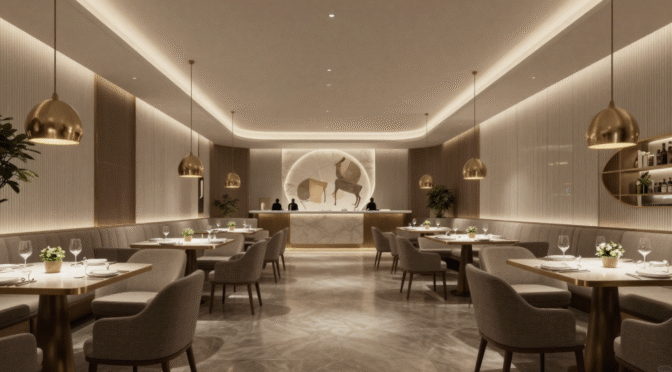
In London’s highly competitive dining landscape, success depends on far more than exceptional food. While a strong menu is essential, the physical environment in which guests dine plays an equally powerful role in shaping their experience. Restaurant interiors influence first impressions, customer comfort, dwell time, and even how often guests return.
From the moment someone walks past your frontage, your interior design begins communicating your brand story. Atmosphere affects mood, perception of quality, and willingness to spend. A well-designed restaurant doesn’t just look appealing it subtly guides behaviour, enhances service flow, and creates emotional connections.
In this blog, we explore seven restaurant interior design concepts that answer a critical question for hospitality brands today: How to Design a Restaurant That Attracts Customers and Boosts Sales? Whether you are refreshing an existing venue or launching a brand-new concept, these ideas can help position your restaurant for long-term success.
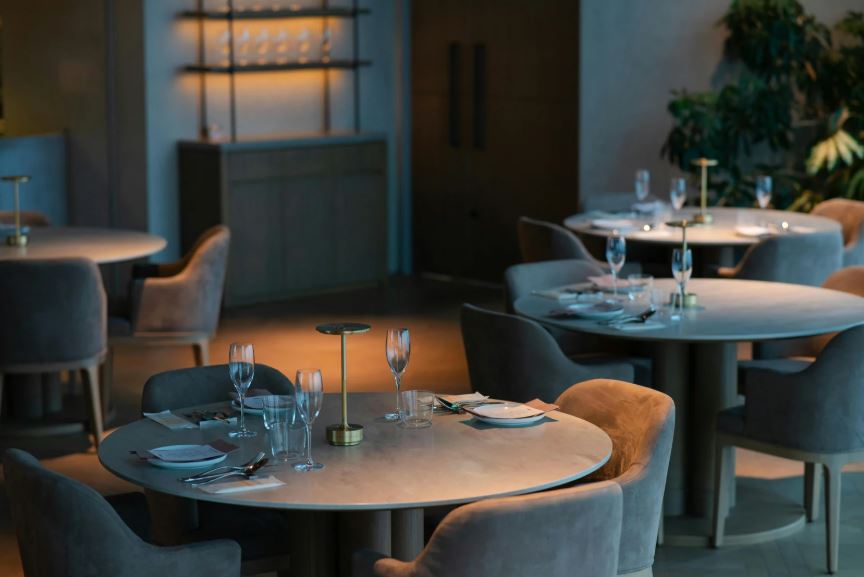
1. Experiential Dining Zones
Modern diners are no longer seeking food alone they want memorable experiences. Creating experiential dining zones within your restaurant allows guests to feel immersed, engaged, and emotionally connected to your brand.
Popular experiential elements include:
-
Chef’s tables that create exclusivity
-
Open kitchens that showcase craftsmanship
-
Live counters offering interaction
-
Intimate tasting nooks for curated experiences
These zones encourage curiosity and conversation while enhancing transparency and trust. Guests enjoy seeing food prepared, interacting with chefs, and feeling part of the culinary journey.
Well-planned Restaurant Interior Design transforms dining into theatre turning meals into moments guests remember, photograph, and recommend.
Experiential zones also support premium pricing, as customers often associate engagement and storytelling with higher perceived value.
2. Minimalist & Functional Layouts
In a fast-paced city like London, efficiency is essential. Restaurants must accommodate high footfall while maintaining comfort and visual clarity. This has driven a strong shift towards minimalist and functional layouts.
Clean lines, uncluttered furniture arrangements, and thoughtful circulation create spaces that feel calm rather than chaotic, even during peak service hours.
Key benefits of functional layouts include:
-
Smooth staff movement between the kitchen and tables
-
Reduced congestion during busy periods
-
Clear sightlines for supervision and service
-
Flexible use between lunch and evening dining
Minimalist interiors also allow food presentation and service quality to take centre stage. Rather than overwhelming diners, the environment supports the overall experience.
This approach works particularly well when supported by professional Space Planning, ensuring every square meter serves both operational and aesthetic purposes.
3. Signature Lighting That Defines Mood
Lighting is one of the most powerful tools in hospitality design. It directly affects mood, comfort, and how guests emotionally perceive your restaurant.
Different times of day require different atmospheres. Soft, warm lighting encourages relaxation and longer stays during evening service, while brighter tones support energy and visibility during daytime dining.
Effective lighting strategies include:
-
Dimmable systems to transition throughout the day
-
Statement pendants that reinforce brand identity
-
Feature lighting over key focal points
-
Subtle accent lighting to add depth
Thoughtful Lighting Design enhances textures, improves food presentation, and creates an inviting ambience without overwhelming the senses.
Importantly, good lighting also improves photography, making your restaurant more appealing on social media and review platforms, where visual impact heavily influences customer decisions.
4. Local Culture & Artistic Integration
Restaurants that reflect their surroundings often feel more authentic and memorable. Integrating local culture into your interior design helps establish emotional resonance with both residents and visitors.
This may include:
-
Artwork by local creatives
-
Materials inspired by the neighbourhood
-
Historical references within textures or finishes
-
Subtle storytelling through murals or installations
Celebrating local identity strengthens your brand narrative and differentiates your venue from generic dining chains.
Through thoughtful Interior Architecture, design elements can be woven naturally into the space rather than appearing decorative or forced.
Guests increasingly value authenticity, and interiors that honour local character often generate stronger loyalty and word-of-mouth promotion.
5. Social Media-Ready Aesthetics
In today’s digital-first world, your restaurant interior acts as a marketing platform. Guests regularly choose venues based on how “shareable” they appear online.
Creating social-media-friendly moments encourages organic promotion and free brand exposure.
Effective design features include:
-
Statement walls or artistic backdrops
-
Distinctive seating or sculptural elements
-
Neon signage with branded messaging
-
Thoughtfully styled table settings
When customers photograph and tag your venue, they effectively become brand ambassadors.
Strong Cafe Interior Design principles are often applied here — balancing charm, personality, and visual consistency that translates beautifully on camera.
Designing with social visibility in mind does not mean compromising authenticity; instead, it ensures your brand communicates clearly across both physical and digital spaces.
6. Ambient Acoustics & Private Dining Corners
One of the most overlooked aspects of restaurant interiors is sound. Excessive noise is one of the most common causes of negative reviews, regardless of food quality.
Guests want atmosphere, not echo.
Effective acoustic planning includes:
-
Upholstered seating and soft finishes
-
Acoustic wall panels or ceiling treatments
-
Timber slats or textured surfaces
-
Strategic partitions between tables
Creating quieter pockets or semi-private dining corners allows guests to enjoy conversation comfortably. These spaces are particularly appealing for business lunches, celebrations, and repeat visits.
Thoughtful acoustic planning enhances comfort and elevates perceived quality, making your venue feel more refined and considered.
When sound is controlled properly, guests stay longer, spend more, and leave with a positive lasting impression.
7. Cohesive Bar & Lounge Areas
For restaurants that include a bar or lounge, this area should never feel secondary. A well-designed bar can significantly increase revenue while improving overall flow.
A strong bar design can:
-
Encourage pre-dinner drinks
-
Reduce waiting time frustration
-
Increase average spend per customer
-
Create a lively focal point
Visual cohesion is essential. The bar should feel like a natural extension of the restaurant’s identity rather than a separate concept.
Professional Bar Interior Designers focus on ergonomics, visibility, lighting, and circulation — ensuring the bar is both operationally efficient and visually striking.
When designed correctly, the bar becomes a destination in its own right, often attracting walk-in customers who later return for full dining experiences.
Final Thoughts
Successful restaurant interiors are never accidental. Every surface, layout decision, lighting element, and spatial transition should serve a purpose both emotionally and commercially.
Strategic design helps restaurants:
-
Attract new customers
-
Encourage repeat visits
-
Increase dwell time
-
Improve operational efficiency
-
Strengthen brand identity
Interior design is not simply decoration, it is a business tool that directly influences revenue and reputation.
At Oraanj Interiors, we help restaurants across London transform their spaces into memorable, high-performing destinations. From concept development to sourcing and execution, our approach balances creativity with commercial insight, supported by structured Procurement to ensure quality and value at every stage.
Browse our Restaurant Interior Design Portfolio for inspiration, or contact our team to create a bespoke dining concept tailored to your brand, location, and audience.


