


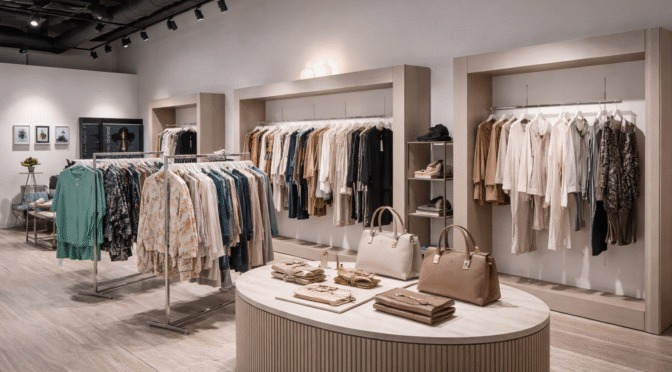
In today’s competitive retail environment, success is no longer driven by product alone. How customers experience your space plays a decisive role in whether they walk in, stay longer, and ultimately make a purchase. This is where retail interior design becomes a strategic business tool rather than just an aesthetic choice.
From independent boutiques to flagship retail stores, well-designed interiors influence customer behaviour, reinforce brand identity, and directly impact sales performance. In a city like London, where footfall, competition, and consumer expectations are high, retail spaces must work harder than ever to stand out.
This guide explores how thoughtful retail interior design drives sales, what elements matter most, and how professional design support transforms shops into profitable environments.
Why Shop Interior Design Directly Impacts Sales?
Retail interiors are not neutral backdrops. Every design decision influences how customers move, feel, and interact with products. Poor layout, harsh lighting, or cluttered displays can subconsciously push customers away, even if the product itself is excellent.
Effective shop interior design supports sales in several ways:
- Encouraging customers to enter the store
- Guiding movement through high-margin areas
- Increasing dwell time
- Improving product visibility
- Reinforcing trust and brand quality
Studies consistently show that customers are more likely to buy when they feel comfortable, inspired, and confident in a space. Design plays a central role in shaping that experience.
First Impressions: Designing a Retail Space That Invites Customers In
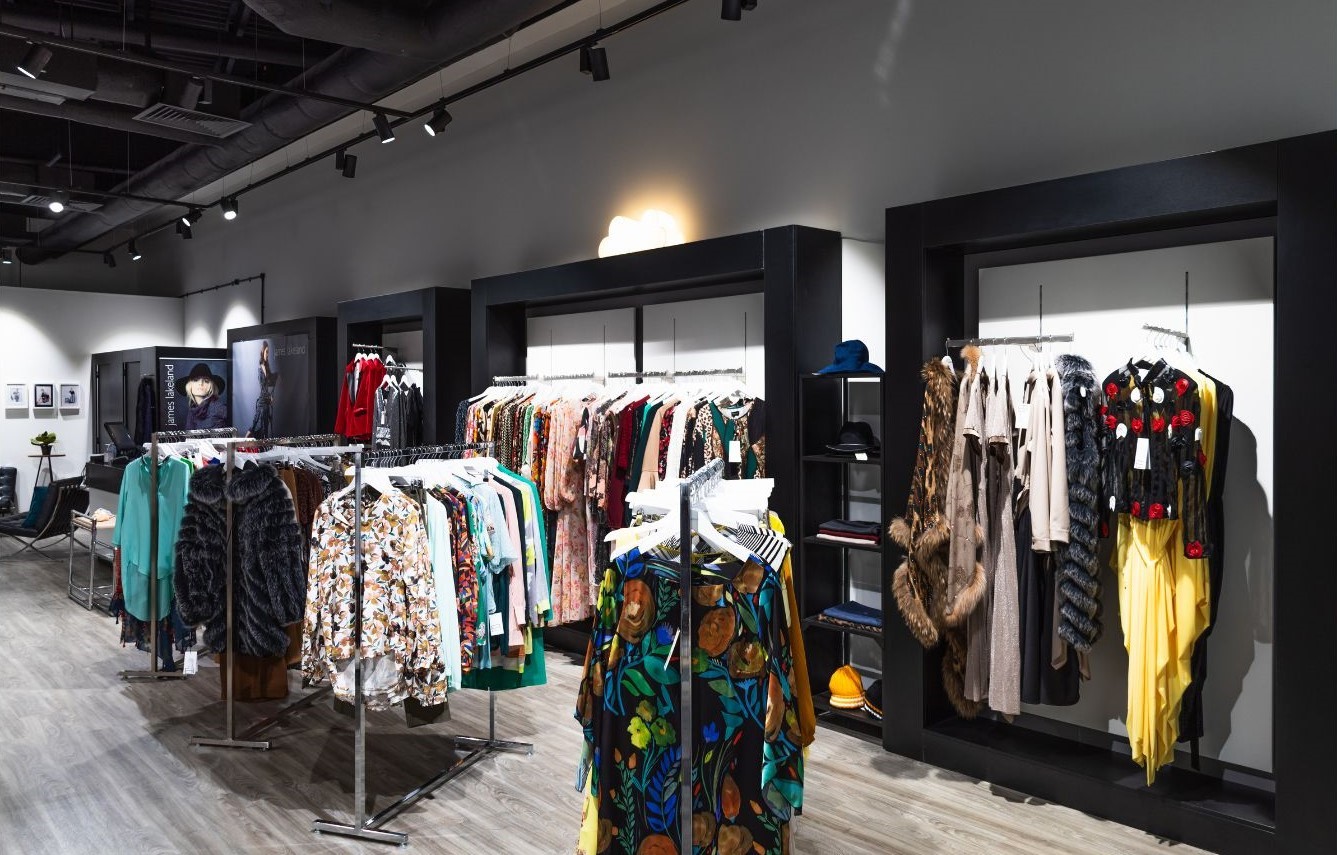
The customer journey begins before anyone steps inside. Your storefront, entrance, and window displays form the first emotional connection with passersby.
Successful retail spaces use:
- Clear sightlines into the store
- Balanced lighting that highlights products
- Window displays that tell a story, not just show stock
- A strong visual link between exterior branding and interior design
A well-planned entrance signals professionalism and quality, two factors that immediately influence purchasing confidence.
Retailers who invest in professional shop interior design often see increased footfall simply because the space communicates value and credibility from the outside.
Layout Strategy: Designing for Flow, Not Just Floor Space
One of the biggest mistakes in retail interiors is focusing on how much product can be displayed rather than how customers move through the space.
Strategic layout planning considers:
- Natural walking paths
- Product zoning by category or behaviour
- Clear focal points and visual anchors
- Comfortable spacing to avoid overcrowding
Designers often use layout techniques such as racetrack flows, grid layouts, or free-flow concepts depending on the retail category. The goal is to guide customers intuitively while exposing them to key products along the way.
Professional retail design ensures that every square metre contributes to conversion, not confusion.
How Lighting Design Influences Buying Behaviour?
Lighting is one of the most powerful yet underestimated tools in retail design. It doesn’t just help customers see, it shapes mood, perception, and value.
Effective retail lighting strategies include:
- Layered lighting (ambient, accent, and task lighting)
- Highlighting hero products with focused illumination
- Warmer tones for lifestyle and luxury retail
- Brighter, uniform lighting for functional shopping environments
Strategic lighting draws attention to displays, improves colour accuracy, and makes products appear more desirable. When combined with a thoughtful layout, lighting can subtly guide customers through the store without signage or instruction.
Brand Identity Through Interior Design
Retail design is storytelling in physical form. Customers should be able to understand what a brand represents within seconds of entering the space.
Design elements that reinforce brand identity include:
- Material selection (wood, metal, marble, concrete)
- Colour palette aligned with branding
- Typography and signage consistency
- Custom furniture and display units
A cohesive environment builds trust. When customers feel that a brand knows who it is, they are more likely to buy, and return.
This is why many retailers work with experienced interior design companies , prioritising local professionals who understand both the market and operational realities of retail spaces.
The Role of Custom Furniture in Retail Design
Off-the-shelf fixtures rarely optimise space or brand expression. Custom solutions allow retailers to maximise floor efficiency while reinforcing visual identity.
Bespoke furniture enables:
- Tailored display heights and proportions
- Better storage integration
- Flexible merchandising layouts
- Unique, memorable store features
Through custom furniture design, retailers can create signature elements that customers associate directly with the brand—something mass-produced fixtures simply can’t achieve.
Custom joinery, shelving, and display units also improve durability, which is essential for high-traffic environments.
Creating an Emotional Connection Through Design
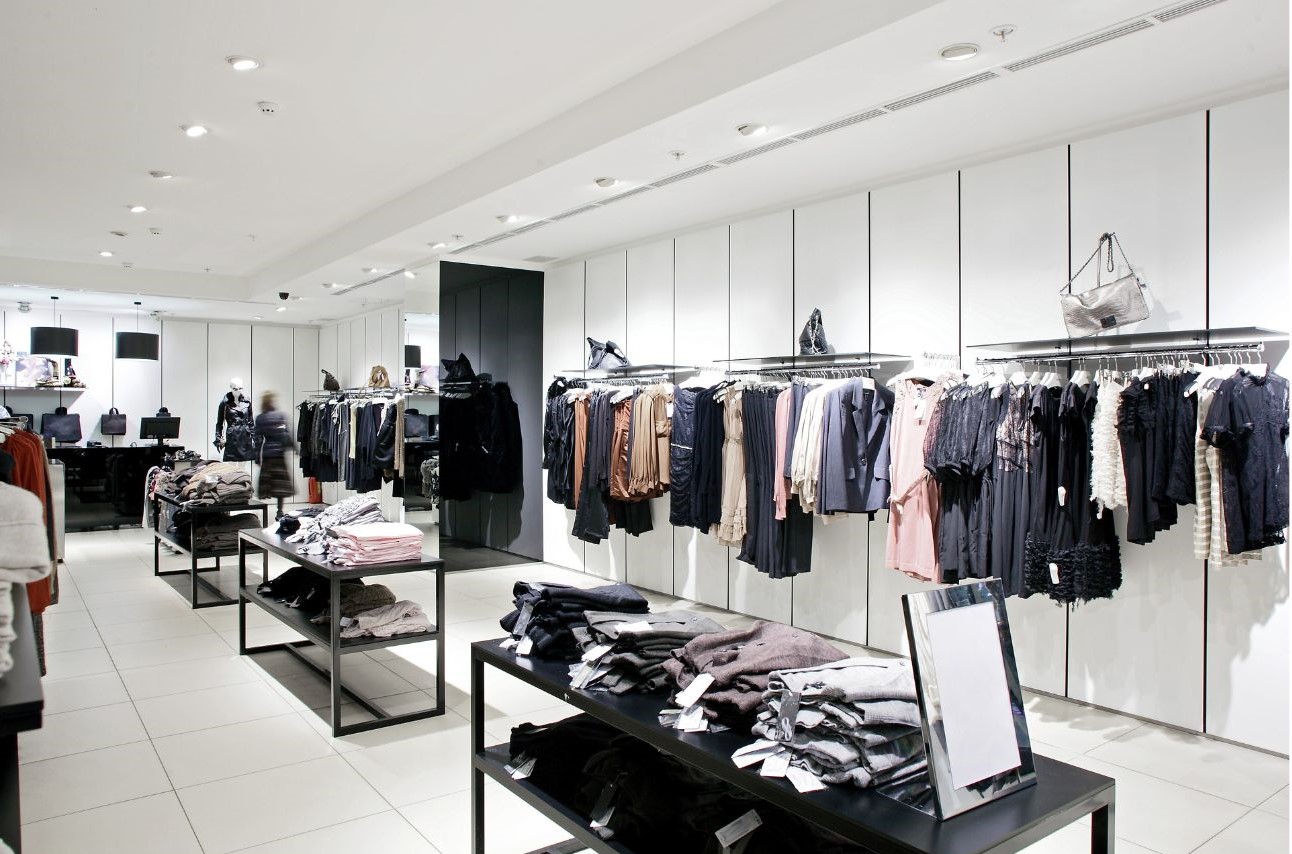
People don’t buy purely on logic, they buy based on emotion, reassurance, and experience. Retail interiors that evoke positive emotional responses tend to convert better.
Design elements that build emotional connection include:
- Comfortable circulation and breathing space
- Tactile materials that feel premium
- Thoughtful colour psychology
- Balanced acoustics and ambience
When customers feel relaxed and engaged, they spend more time exploring. Increased dwell time directly correlates with higher average transaction values.
This emotional dimension is often what separates average shops from high-performing retail spaces.
Designing Retail Spaces That Support Staff and Operations
Sales-driven shop design must work for staff as well as customers. Poor back-of-house planning, inefficient storage, or awkward counters slow down service and create friction.
Smart retail interiors account for:
- Clear staff circulation routes
- Efficient stock access
- Ergonomic checkout areas
- Integrated technology and POS systems
By aligning operational needs with customer-facing design, retailers improve service speed, reduce errors, and create a smoother shopping experience.
Procurement: Turning Design into Reality
Design concepts are only as good as their execution. Material quality, finishes, timelines, and installation all influence the final outcome.
Professional procurement ensures:
- Reliable sourcing of materials and furniture
- Cost control and budget transparency
- Quality consistency across suppliers
- On-time delivery aligned with project schedules
For retail businesses, delays can mean lost revenue. A coordinated procurement process protects both the design vision and the commercial timeline.
Retail Design That Adapts to Changing Trends
Modern retail spaces must be flexible. Seasonal changes, product updates, and evolving customer behaviour require interiors that can adapt without full redesigns.
Future-ready shop interior design incorporates:
- Modular display systems
- Reconfigurable furniture
- Neutral base palettes with adaptable accents
- Technology-friendly layouts
This flexibility allows retailers to refresh the space regularly, keeping it relevant while controlling costs.
Why Professional Shop Interior Design Outperforms DIY Approaches?
While some retailers attempt DIY design solutions, professional retail interiors consistently outperform them in both aesthetics and sales impact.
Working with specialists ensures:
- Data-informed layout decisions
- Compliance with regulations and accessibility standards
- Professional coordination of trades and suppliers
- A cohesive, brand-aligned outcome
Retailers searching for interior design companies near me often do so because they recognise the value of local expertise—designers who understand planning regulations, commercial constraints, and London-specific retail dynamics.
Measuring the ROI of Retail Interior Design
Good design is measurable. Retailers often see improvements in:
- Footfall and walk-in rates
- Average time spent in-store
- Conversion rates
- Average basket value
When interior design is aligned with business goals, it becomes a revenue-generating asset rather than a cost.
Designing Retail Spaces That Captivate and Convert
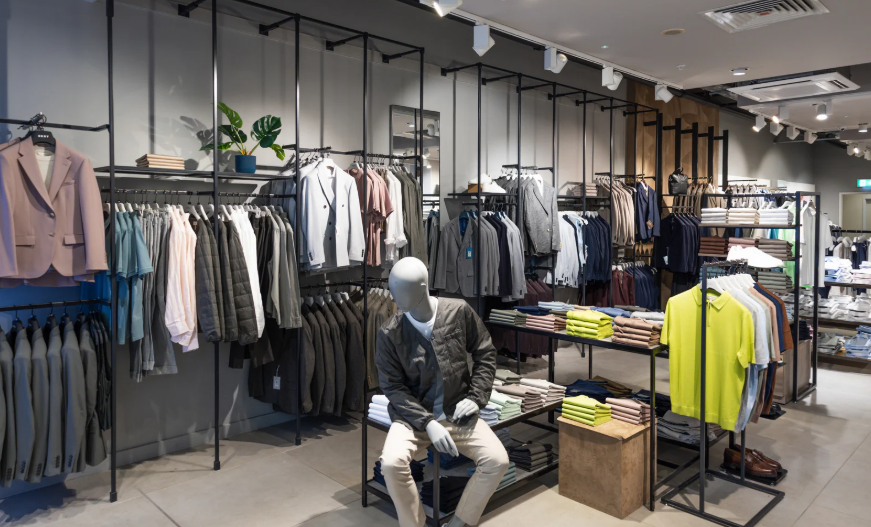
Retail success is no longer just about selling products; it’s about creating experiences customers want to return to. Thoughtful design influences perception, behaviour, and loyalty.
By investing in strategic shop interior design, retailers create environments that support brand storytelling, enhance customer comfort, and drive sales growth.
From layout planning and lighting to custom furniture and procurement, every design decision should serve a clear purpose: making the retail space work harder for the business.
Local Expertise Matters in Retail Interior Design
Retail environments are deeply influenced by their location. Customer behaviour, footfall patterns, space constraints, and even planning regulations vary significantly across London. This is why many business owners specifically search for interior design companies near me, they want professionals who understand local market dynamics, not just design trends.
Local retail interior designers bring valuable insight into how London shoppers interact with different retail formats, from high-street stores and shopping centres to boutique destinations and mixed-use developments. This understanding allows designers to tailor layouts, signage, and visual merchandising strategies that align with real-world customer behaviour.
Local expertise also improves project efficiency. Designers familiar with London suppliers, contractors, and authorities can navigate approvals, deliveries, and installations more smoothly. This reduces downtime, avoids unnecessary delays, and ensures the store opens or reopens on schedule, critical for retail businesses where every day impacts revenue.
Another advantage of working locally is ongoing support. Retail spaces evolve, displays change, and seasonal updates are constant. Having a trusted design partner nearby allows for quicker updates, design refreshes, and long-term optimisation of the space as the business grows.
Ultimately, successful shop interior design is not just about aesthetics, it’s about understanding context. When design is informed by local knowledge and commercial awareness, retail spaces become more responsive, resilient, and profitable in the long run.
Final Thoughts: Turning Retail Vision into Reality
In a competitive market like London, retail spaces must do more than look good, they must perform. Professional interior design bridges the gap between creativity and commercial success.
Whether launching a new store or upgrading an existing space, working with experienced designers ensures your shop reflects your brand, supports your team, and delivers measurable results.
For retailers ready to transform their space into a sales-driven environment, Oraanj Interiors guidance makes all the difference.


