


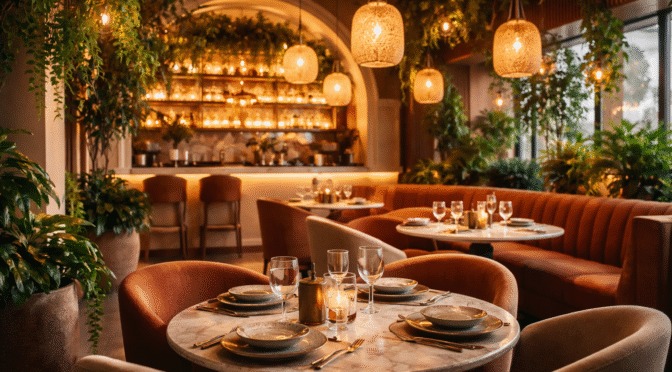
In today’s hospitality landscape, customers no longer choose restaurants or cafés based on food alone. Atmosphere, comfort, and emotional experience play just as powerful a role in decision-making as the menu itself. This is why professional restaurant interior designers and specialist café designers are now seen as strategic partners rather than aesthetic consultants.
From the moment a guest steps inside, the interior sets expectations. It communicates brand identity, influences dwell time, and shapes how people remember the experience. In competitive markets like London, where diners are spoiled for choice, interior design can be the deciding factor between a one-time visit and a loyal customer.
This guide explores how expert hospitality designers create immersive environments, the key elements that drive success in restaurants and cafés, and why investing in professional design is essential for long-term growth.
Why is Interior Design Critical in Hospitality?
Restaurants and cafés are experiential businesses. People come not just to eat or drink, but to connect, celebrate, work, relax, or be inspired. Interior design frames all of these moments.
Effective hospitality interiors help to:
- Attract the right target audience
- Increase dwell time and spend per visit
- Support efficient service flow
- Strengthen brand recognition
- Encourage repeat visits and word-of-mouth
Professional restaurant interior designers understand that every design decision, from layout to lighting, affects both customer perception and operational success.
Designing for Emotion: How Guests Feel Shapes What They Remember
People rarely remember every dish they order, but they always remember how a place made them feel. Warmth, excitement, intimacy, energy, or calm, these emotional responses are heavily influenced by interior design.
Design elements that shape emotional experience include:
- Lighting tone and intensity
- Colour psychology
- Spatial proportions and ceiling heights
- Material textures and finishes
- Acoustic comfort
A thoughtfully designed space subconsciously guides behaviour: lingering longer over dessert, ordering another drink, or returning again with friends. This emotional layer is what transforms a venue from functional to memorable.
Restaurant Interior Designers: Balancing Creativity and Function
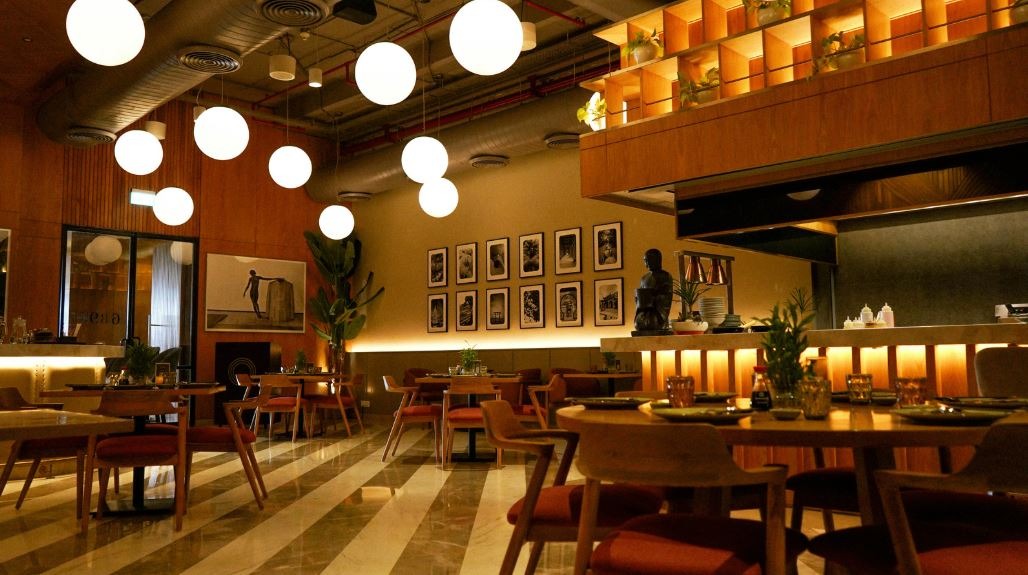
Restaurants present complex design challenges. A space must look beautiful while also supporting high-volume service, hygiene standards, and operational efficiency.
Experienced restaurant interior designers balance:
- Guest circulation vs staff movement
- Seating density vs comfort
- Visual drama vs acoustic control
- Kitchen access vs dining ambience
Every square metre needs to work hard. Poor layout decisions can slow service, frustrate staff, and negatively impact reviews, even if the food is excellent.
Professional designers map out zoning carefully, ensuring the dining experience flows effortlessly while the business runs smoothly behind the scenes.
The Importance of Concept-Driven Design
Strong hospitality interiors begin with a clear concept. This concept acts as the creative anchor for every design decision.
A successful restaurant or café concept considers:
- Brand story and cuisine
- Target demographic
- Location and surroundings
- Price point and positioning
- Day vs night experience
Designers translate this concept into tangible elements, materials, colours, lighting, furniture, and finishes, so that the space feels cohesive rather than decorative.
This approach is especially evident in modern hospitality projects showcased in curated portfolios like:
Café Interior Designer: Creating Spaces People Want to Stay In
Cafés serve a unique role in urban life. They are meeting points, workspaces, social hubs, and daily rituals. A successful café interior must feel welcoming while encouraging repeat visits throughout the day.
A specialist Cafe Interior Designer focuses on:
- Comfortable yet efficient seating
- Flexible layouts for solo guests and groups
- Power access and lighting for work-friendly spaces
- Warm, inviting colour palettes
- Durable materials for high turnover
Unlike restaurants, cafés often rely on volume and frequency rather than long sittings. Design choices subtly influence whether guests order once or come back again tomorrow.
Lighting Design: Setting the Mood for Dining and Socialising
Lighting is one of the most influential tools in hospitality design. It shapes mood, highlights food presentation, and defines how spaces transition from day to night.
Effective hospitality lighting strategies include:
- Warm ambient lighting for dining comfort
- Accent lighting to highlight architectural features
- Task lighting for bars and service areas
- Layered lighting schemes for flexibility
In restaurants, lighting can elevate perceived food quality. In cafés, it creates an inviting atmosphere that encourages longer stays without feeling intrusive.
Materials and Finishes: Durability Meets Design
Hospitality interiors face heavy wear. Chairs are moved constantly, surfaces are cleaned repeatedly, and foot traffic is continuous. This makes material selection critical.
Professional designers choose finishes that balance:
- Visual appeal
- Durability and maintenance
- Hygiene standards
- Acoustic performance
Natural materials such as wood, stone, and textured fabrics are often used to add warmth, while hard-wearing surfaces ensure longevity. When done well, durability becomes part of the design story rather than a compromise.
Designing for Brand Identity and Social Media
In the age of Instagram and online reviews, interior design has become a powerful marketing tool. A visually distinctive space encourages guests to take photos, share experiences, and tag the venue online.
Design elements that support social sharing include:
- Feature walls or statement lighting
- Unique furniture or artwork
- Strong visual focal points
- Consistent branding details
Hospitality spaces that photograph well often enjoy organic marketing benefits, free exposure driven by customers themselves.
Restaurant and Café Design Trends in London
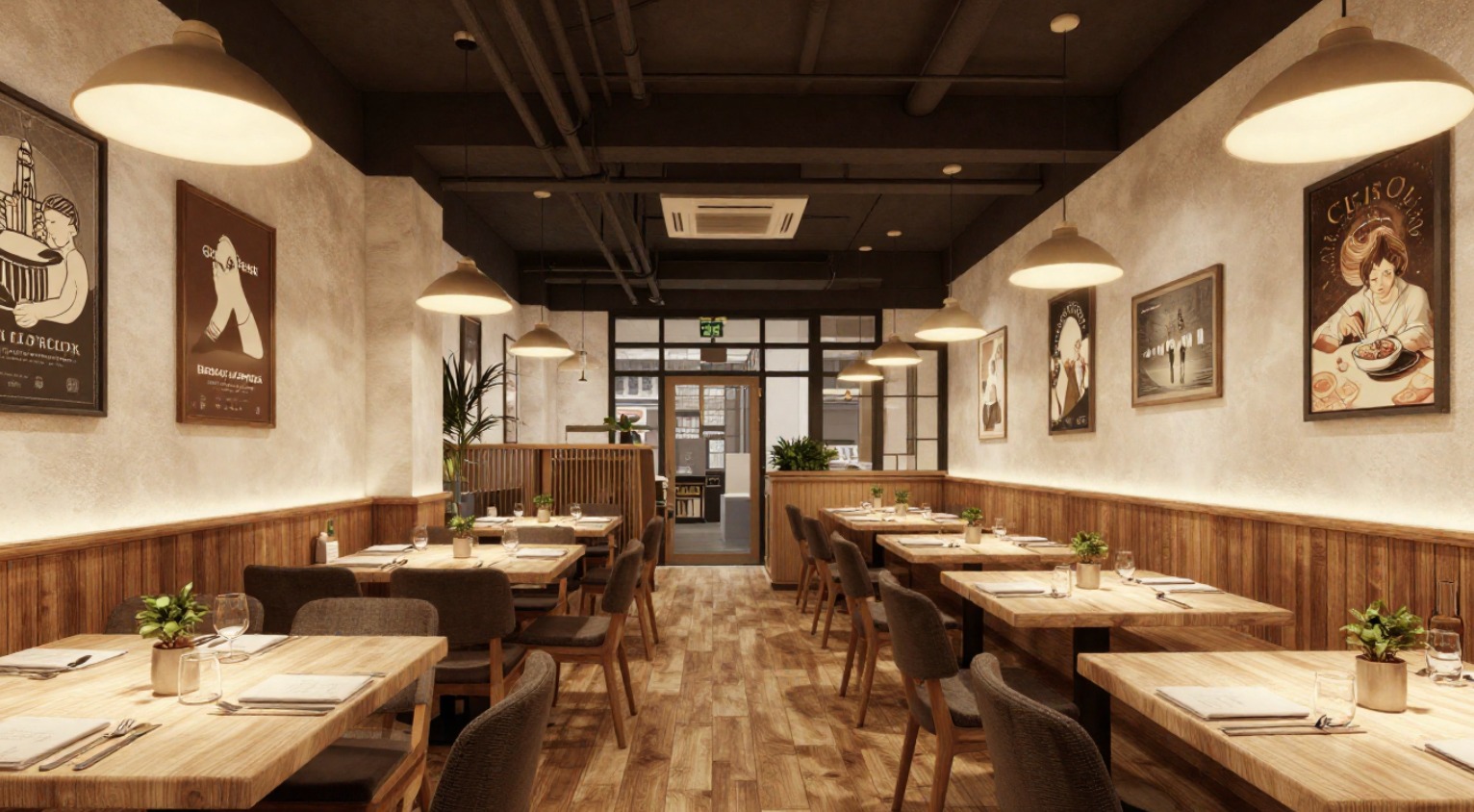
London’s hospitality scene is constantly evolving. Design trends reflect changing customer expectations, sustainability concerns, and lifestyle shifts.
Current trends explored in resources like:
https://www.oraanj-interiors.co.uk/restaurant-interior-design-in-london-top-concepts-for-2026/
https://www.oraanj-interiors.co.uk/luxury-restaurant-interior-design-trends-transforming-londons-dining-scene/
include:
- Open kitchens and visible preparation
- Natural materials and biophilic design
- Flexible seating arrangements
- Statement lighting installations
- Sustainable and locally sourced materials
For cafés, evolving inspirations can be seen here:
https://www.oraanj-interiors.co.uk/cafe-design-trends-with-modern-interior-inspirations/
Designers interpret trends selectively, ensuring longevity rather than chasing short-lived styles.
Acoustic Comfort: The Invisible Design Element
Noise levels significantly impact dining enjoyment. Too loud, and guests rush their meals. Too quiet, and the space feels uncomfortable.
Hospitality designers address acoustics through:
- Soft furnishings and textiles
- Acoustic panels integrated into décor
- Strategic ceiling treatments
- Layout planning to separate noisy zones
Good acoustic design allows conversation to flow naturally, an essential component of memorable dining experiences.
Operational Efficiency Through Smart Design
A beautiful restaurant that doesn’t function well will struggle to succeed. Interior design plays a crucial role in operational efficiency.
Designers collaborate closely with operators to ensure:
- Clear service routes
- Efficient table spacing
- Logical bar and kitchen positioning
- Smooth guest arrival and exit flow
When staff can move effortlessly, service improves, and satisfied guests notice.
Why Professional Hospitality Designers Make a Difference?
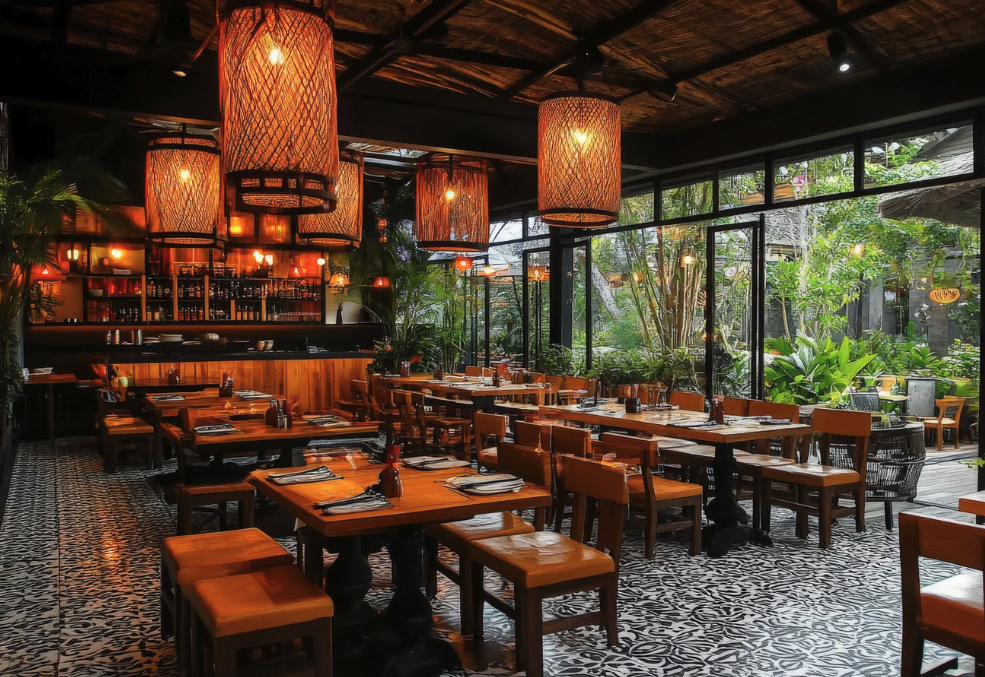
DIY or generic design approaches often fall short in hospitality environments. Professional designers bring industry-specific knowledge that goes beyond aesthetics.
They understand:
- Regulatory and compliance requirements
- Fire safety and accessibility standards
- Commercial durability needs
- Brand positioning and customer psychology
This expertise reduces costly mistakes and ensures the space supports business goals from day one.
Designing Experiences That Encourage Repeat Visits
The most successful restaurants and cafés are not just visited—they are remembered. Interior design plays a central role in building that memory.
By aligning layout, lighting, materials, and brand storytelling, professional restaurant interior designers and café specialists create spaces people want to return to again and again.
Design becomes part of the customer journey, not just a backdrop.
Designing for Longevity in Restaurants and Cafés
Hospitality spaces operate in fast-moving environments, but longevity should always be a key design consideration. Trends evolve, menus change, and customer expectations shift, yet the core interior should remain relevant and adaptable over time. This is where experienced restaurant interior designers add long-term value beyond visual appeal.
Designing for longevity starts with foundational decisions. Neutral base palettes, high-quality materials, and timeless architectural elements allow spaces to evolve without full redesigns. Accent features—such as artwork, upholstery, or lighting, can be refreshed periodically to reflect seasonal updates or brand evolution without major disruption.
Flexibility is another critical factor. Restaurants and cafés often adapt seating arrangements, service styles, or operational flows as the business grows. Designers anticipate these changes by creating modular layouts, movable furniture solutions, and multi-purpose zones that can transition from daytime café use to evening dining environments seamlessly.
Technology integration also plays a role in future-proofing hospitality interiors. Thoughtful planning allows for easy upgrades to POS systems, digital menus, lighting controls, and sound systems without compromising the aesthetic of the space. This ensures the venue remains efficient and competitive as operational needs evolve.
Finally, longevity is about sustainability. Durable materials, energy-efficient lighting, and responsible sourcing not only reduce long-term costs but also align with modern customer values. Guests increasingly gravitate toward brands that demonstrate environmental awareness, and interior design is a powerful way to reflect that commitment authentically.
By designing spaces that are adaptable, resilient, and timeless, hospitality interiors continue to support business success long after opening day, ensuring the experience remains as compelling years down the line as it was on day one.
Final Thoughts: Hospitality Design That Goes Beyond Aesthetics
In hospitality, interior design is not about decoration; it’s about experience. The best restaurant and café interiors support emotion, efficiency, and brand identity in equal measure.
Whether launching a new venue or refreshing an existing one, Oraanj Interior Design ensures that every detail contributes to guest satisfaction and business success.


