


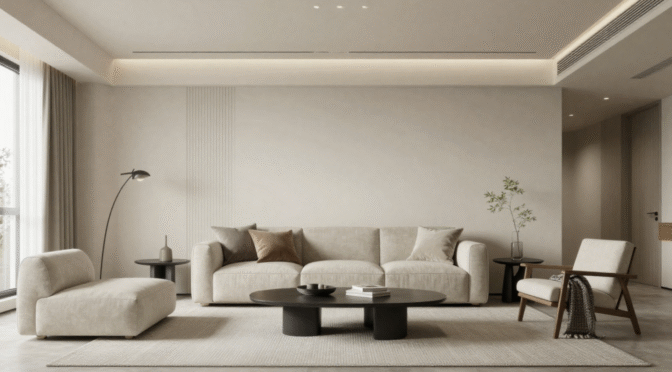
When you hear the word neutral, it’s easy to associate it with something safe, understated, or even forgettable. However, in thoughtful interior design, neutrals are anything but dull. When used with intention, creativity, and expert balance, neutral palettes can feel layered, expressive, and quietly powerful.
At Oraanj Interiors, we view neutral design as the foundation of timeless living. It allows spaces to breathe, emotions to settle, and personality to shine through subtle detail rather than loud colour. Whether you are refreshing a single room or styling an entire home, learning how to work with neutrals effectively can elevate your interiors beyond trend-driven decoration.
This guide explores how to use neutral tones with impact transforming simplicity into sophistication and calm into character.
Why Neutrals Work
Neutral palettes form the backbone of some of the world’s most beautiful interiors. Shades such as warm whites, soft greys, beige, taupe, sand, and stone are incredibly versatile and endlessly adaptable. This philosophy is closely aligned with White Design Interiors: The Timeless Appeal of a Classic Aesthetic, where simplicity, proportion, and material quality take precedence over trend-led colour, resulting in spaces that feel enduring rather than decorative.
Neutrals work because they offer:
-
Timeless appeal that remains relevant year after year
-
A calming and visually balanced atmosphere
-
Flexibility to evolve as your taste changes
-
The perfect backdrop for texture, lighting, and craftsmanship
Rather than dominating a space, neutrals allow architectural details, furniture forms, and personal styling choices to take centre stage. This makes them particularly suitable for modern homes, open-plan layouts, and properties where longevity matters.
A professional Colour Consultation can help identify undertones and tonal balance, ensuring neutrals feel warm and inviting rather than flat or clinical.
How to Use Neutrals with Impact
Creating a successful neutral interior is not about using fewer elements it’s about using them more thoughtfully. Below are the most effective ways to add depth, richness, and individuality while staying within a restrained colour palette.
1. Layer Textures, Not Just Colours
Texture is the heartbeat of a neutral interior. Without it, even the most expensive space can feel unfinished.
Introduce tactile contrast by combining:
-
Soft linens with woven wool or boucle
-
Smooth plaster walls alongside textured finishes
-
Matte paints paired with polished stone or metal
-
Upholstery mixed with natural fibres such as jute or cotton
These layers create visual rhythm and prevent the room from feeling one-dimensional. Texture allows your eye to move naturally through the space, creating interest without colour overload.
This approach is often favoured by an experienced Interior Decorator London, as it delivers sophistication while maintaining restraint.
2. Play with Light and Shadow
Light dramatically transforms how neutral colours appear. The same shade can feel warm, cool, bright, or muted depending on lighting conditions.
To enhance impact:
-
Maximise natural daylight wherever possible
-
Use layered lighting as ambient, task, and accent
-
Introduce wall lights or uplighters to create shadow depth
-
Incorporate mirrors or metallic finishes to bounce light
Neutrals respond beautifully to changing daylight, meaning your space subtly evolves from morning to evening. This dynamic quality keeps interiors feeling alive rather than static.
3. Use Contrast to Create Definition
Contrast is essential even in neutral design. Without it, rooms can feel washed out.
You can introduce contrast through:
-
Dark greys paired with warm whites
-
Black or bronze hardware against pale cabinetry
-
Light upholstery framed by darker flooring
-
Structured silhouettes within soft environments
These defined moments add architectural clarity and help guide the eye. Contrast doesn’t disturb calm it strengthens it.
Thoughtful contrast is often achieved through carefully planned Furniture Selections, ensuring each piece enhances both form and function.
4. Incorporate Organic Elements
Natural materials are the perfect companion to neutral tones. They introduce warmth, movement, and authenticity.
Consider adding:
-
Timber furniture in oak, walnut, or ash
-
Stone surfaces such as marble or travertine
-
Clay, ceramic, or plaster finishes
-
Indoor plants to soften edges and add life
Organic elements ground a neutral space emotionally, making it feel welcoming rather than sterile. The combination of natural texture and restrained colour creates a sense of quiet luxury.
5. Add Subtle Pattern and Detail
Pattern doesn’t have to be bold to be effective. In neutral interiors, tone-on-tone detailing creates refinement.
Subtle patterns can include:
-
Herringbone or chevron flooring
-
Soft geometric rugs
-
Wallpaper with delicate raised textures
-
Architectural mouldings or wall panelling
These details elevate the space while preserving serenity. They reward closer inspection a hallmark of well-designed interiors.
Using Mood Board Design during the planning stage helps visualise how patterns interact, ensuring balance rather than clutter.
6. Create Focus with Feature Elements
A neutral home benefits from moments of emphasis. These anchor the design and prevent it from feeling flat.
Strategically designed Feature Walls can introduce:
-
Textured finishes
-
Architectural panelling
-
Statement materials
-
Tonal contrast
Rather than relying on colour, these features add depth and identity while maintaining the integrity of the neutral palette.
7. Style with Purposeful Accessories
Accessories complete a neutral interior but restraint is key.
Thoughtful Artwork & Accessorising allows personality to shine without overpowering calm. Consider:
-
Large-scale artwork in muted tones
-
Sculptural objects with organic shapes
-
Books, ceramics, or meaningful personal pieces
-
Layered cushions or throws in varied textures
Every accessory should feel intentional. In neutral design, fewer well-chosen pieces create greater impact than overcrowded styling.
Neutrals That Feel Personal
One of the biggest misconceptions about neutral interiors is that they lack personality. In reality, neutrals provide the ideal stage for individuality.
Your personality emerges through:
-
Layout choices
-
Material combinations
-
Furniture scale
-
Art and personal objects
-
How spaces are lived in
For clients who want guidance without overwhelm, a design-led Personal Shopper service can help source furnishings and décor that reflect taste while maintaining cohesion.
Neutrals don’t erase character they highlight it.
Final Thoughts
Neutral does not mean boring. It means balance, refinement, and longevity. When used thoughtfully, neutral interiors feel elegant, layered, and deeply comforting.
They allow your home to grow with you, adapt to change, and remain relevant long after trends fade. Through texture, contrast, lighting, and personal styling, neutral spaces become expressive without being overwhelming.
If you’re ready to create a calm yet impactful interior that reflects your lifestyle and personality, Oraanj Interiors is here to help.
Contact Oraanj Interiors today to book a design consultation and discover how neutral design can be powerful, personal, and beautifully timeless.


