


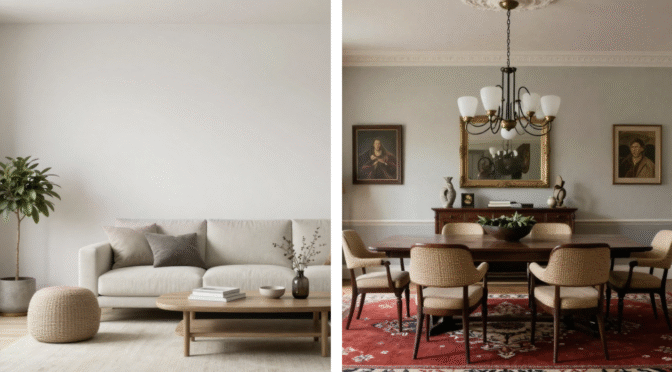
Are you naturally drawn to calm, uncluttered interiors, or do you feel most at home surrounded by colour, texture, and personality-packed décor? Understanding where your preferences lie between minimalism and maximalism is one of the most important steps in creating a home that not only looks beautiful but genuinely supports your lifestyle and emotional well-being. This exploration often begins with understanding Modern vs. Contemporary: What’s the Difference in Interior Design?, as both design approaches strongly influence whether a space feels restrained, expressive, or somewhere in between.
In a diverse city like London where period homes sit beside modern apartments interior identity has become deeply personal. At Oraanj Interiors, we believe great design is never about copying trends. Instead, it’s about self-expression, comfort, and intentional choices that reflect who you are and how you live.
Whether you lean towards serene simplicity or expressive abundance, this guide will help you explore both styles and discover the interior identity that feels right for you.
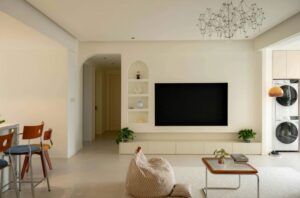
What Is Minimalist Interior Design?
Minimalist interior design centres on clarity, purpose, and restraint. Rather than stripping a space bare, true minimalism is about removing distractions so the essential elements can shine.
This style has grown increasingly popular within Interior Design London, particularly in contemporary apartments and urban homes where space, light, and flow are highly valued.
Key Features of Minimalist Design
Minimalist interiors typically include:
-
Soft, neutral colour palettes such as whites, warm greys, and muted beiges
-
Clean architectural lines and uncluttered layouts
-
Streamlined furniture with concealed storage
-
Emphasis on natural light and open space
-
Carefully chosen décor rather than abundance
Every item serves a purpose. Instead of filling rooms with accessories, minimalism highlights craftsmanship, proportions, and material quality.
Why People Choose Minimalism
Minimalist spaces often feel:
-
Calm and mentally restorative
-
Easy to maintain
-
Timeless rather than trend-led
-
Ideal for busy lifestyles
In fast-paced city living, minimalism offers a sense of order and visual breathing space. It’s particularly well-suited to homeowners who value organisation, clarity, and understated elegance.
However, minimalism doesn’t mean cold or characterless. When executed thoughtfully, it can feel warm, refined, and quietly luxurious.
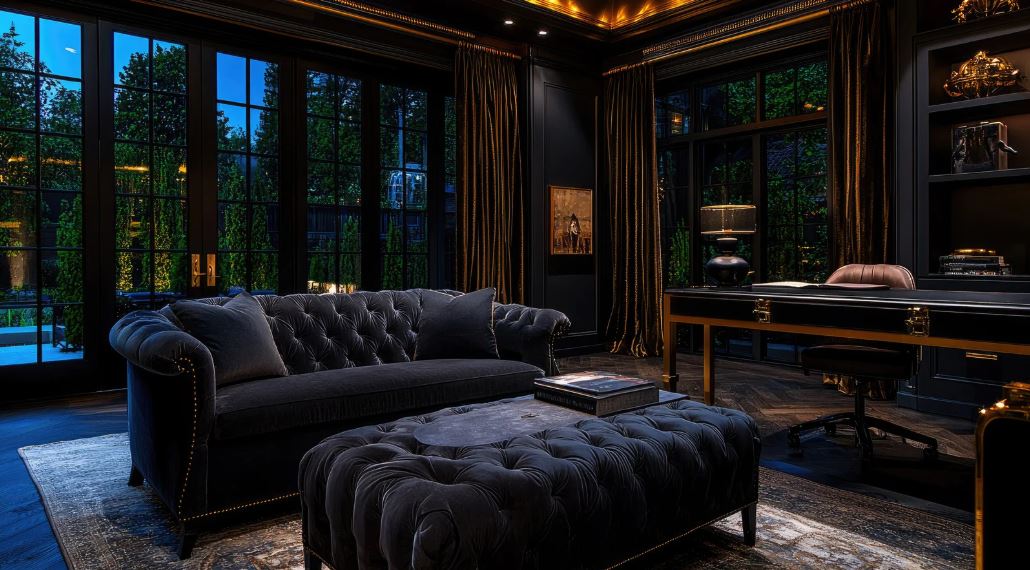
What Is Maximalist Interior Design?
If minimalism whispers, maximalism speaks confidently. This design approach embraces richness, layering, and visual storytelling, creating interiors that feel expressive, curated, and full of life.
Maximalism celebrates individuality. Rather than hiding personality, it places it front and centre.
Key Features of Maximalist Design
Maximalist interiors often include:
-
Bold colour palettes and contrasting tones
-
Layered textures such as velvet, timber, metals, and pattern
-
Statement furniture and eclectic combinations
-
Artwork, books, and decorative collections
-
Personal items with emotional or cultural significance
Every surface becomes an opportunity for expression. When curated properly, maximalism doesn’t feel chaotic; it feels intentional, artistic, and deeply personal.
Why People Choose Maximalism
Maximalist homes often feel:
-
Warm and inviting
-
Rich in character
-
Emotionally expressive
-
Unique and story-driven
This style is perfect for creatives, collectors, travellers, and anyone who wants their home to feel layered with memory and meaning rather than restrained by rules.
In London’s heritage properties, maximalism also pairs beautifully with period detailing, high ceilings, and architectural charm.
Minimalism vs. Maximalism: Which One’s Right for You?
Understanding the contrast between these two styles can help clarify your natural preferences.
| Feature | Minimalism | Maximalism |
|---|---|---|
| Philosophy | Less is more | More is more |
| Colour Scheme | Neutral and muted tones | Bold, expressive and layered |
| Décor Style | Functional and refined | Decorative and artistic |
| Furniture | Sleek and space-efficient | Layered, vintage or bespoke |
| Visual Impact | Calm and open | Energetic and expressive |
| Ideal For | Modernists and simplicity lovers | Creatives and collectors |
While these categories provide guidance, very few people fit perfectly into one box — and that’s where personalised design becomes powerful.
An experienced Interior Decorator London can help interpret your preferences and translate them into a cohesive interior rather than forcing you into a single label.
Finding Your Balance: The Middle Ground
If you admire both clean structure and expressive character, you’re not alone. Many modern homeowners are now embracing hybrid styles that sit between minimalism and maximalism.
This middle ground is often referred to as:
-
Minimaluxe
-
Curated maximalism
-
Soft modern eclectic
These styles blend minimal layouts with expressive moments — allowing personality without visual overwhelm.
How Balance Works in Practice
A balanced interior may include:
-
Neutral walls with bold accent décor
-
Clean-lined furniture paired with expressive textiles
-
Calm layouts enhanced by statement art
-
Simplicity with intentional personality
This is where professional Colour Consultation becomes invaluable. Thoughtful colour choices can bridge minimal and maximal aesthetics, ensuring bold elements feel harmonious rather than overpowering.
Furniture as the Defining Factor
Furniture often reveals your interior identity more than décor.
Minimalist homes favour:
-
Slim silhouettes
-
Multi-functional designs
-
Built-in storage
-
Visual lightness
Maximalist interiors embrace:
-
Statement sofas and armchairs
-
Mixed eras and styles
-
Rich upholstery
-
Layered arrangements
Thoughtful Furniture Selections ensure that even expressive interiors remain comfortable and practical, while minimalist spaces retain warmth and livability.
Furniture should always support how you move, relax, entertain, and live — regardless of style preference.
Visual Planning Through Mood Boards
One of the most effective ways to define your style is through visual exploration. Mood boards allow ideas to develop organically before final decisions are made.
Professional Mood Board Design helps you:
-
Compare minimal and maximal references side by side
-
Identify recurring colours or textures you’re drawn to
-
Understand how contrast or restraint feels visually
-
Avoid costly mistakes later in the project
Often, clients discover they prefer clean architectural foundations paired with expressive accents, a balance they hadn’t previously considered.
Using Feature Elements to Express Identity
Not every room needs to follow the same intensity. Some spaces benefit from calm simplicity, while others invite drama.
Strategically placed Feature Walls allow homeowners to explore personality without overwhelming the entire interior. This could include:
-
Textured finishes
-
Statement wallpaper
-
Architectural panelling
-
Deep or contrasting colours
In minimalist homes, a feature wall introduces depth. In maximalist spaces, it anchors the design and creates visual focus.
The Power of Art and Accessories
Accessories are where interiors truly come alive. Thoughtfully chosen Artwork & Accessorising can define the emotional tone of a space.
Minimalist styling typically includes:
-
Fewer but larger art pieces
-
Sculptural objects
-
Negative space around displays
Maximalist styling may include:
-
Gallery walls
-
Layered artwork
-
Personal collections
-
Mixed frames and textures
The key lies in intention. Whether sparse or abundant, every element should feel meaningful never random.


