


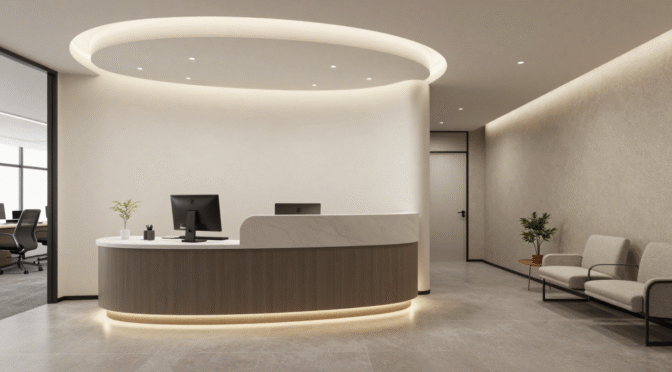
Is your office space no longer inspiring productivity? Are your employees complaining about comfort, noise levels, or outdated layouts? If so, it may be time to seriously consider an office redesign in London.
The modern workplace has evolved dramatically in recent years. Businesses are no longer simply places to work they are environments that shape creativity, collaboration, wellbeing, and brand perception. An outdated or poorly planned office can quietly reduce efficiency, affect staff morale, and even influence how clients perceive your organisation.
From boosting employee satisfaction to reinforcing brand identity, a well-executed office redesign can completely transform how your business operates and how it is experienced by both staff and visitors.
Let’s explore the key signs that indicate your workspace may need an upgrade, and how working with an experienced design studio such as Oraanj Interiors can deliver meaningful, long-term results.
1 . Your Office No Longer Reflects Your Brand
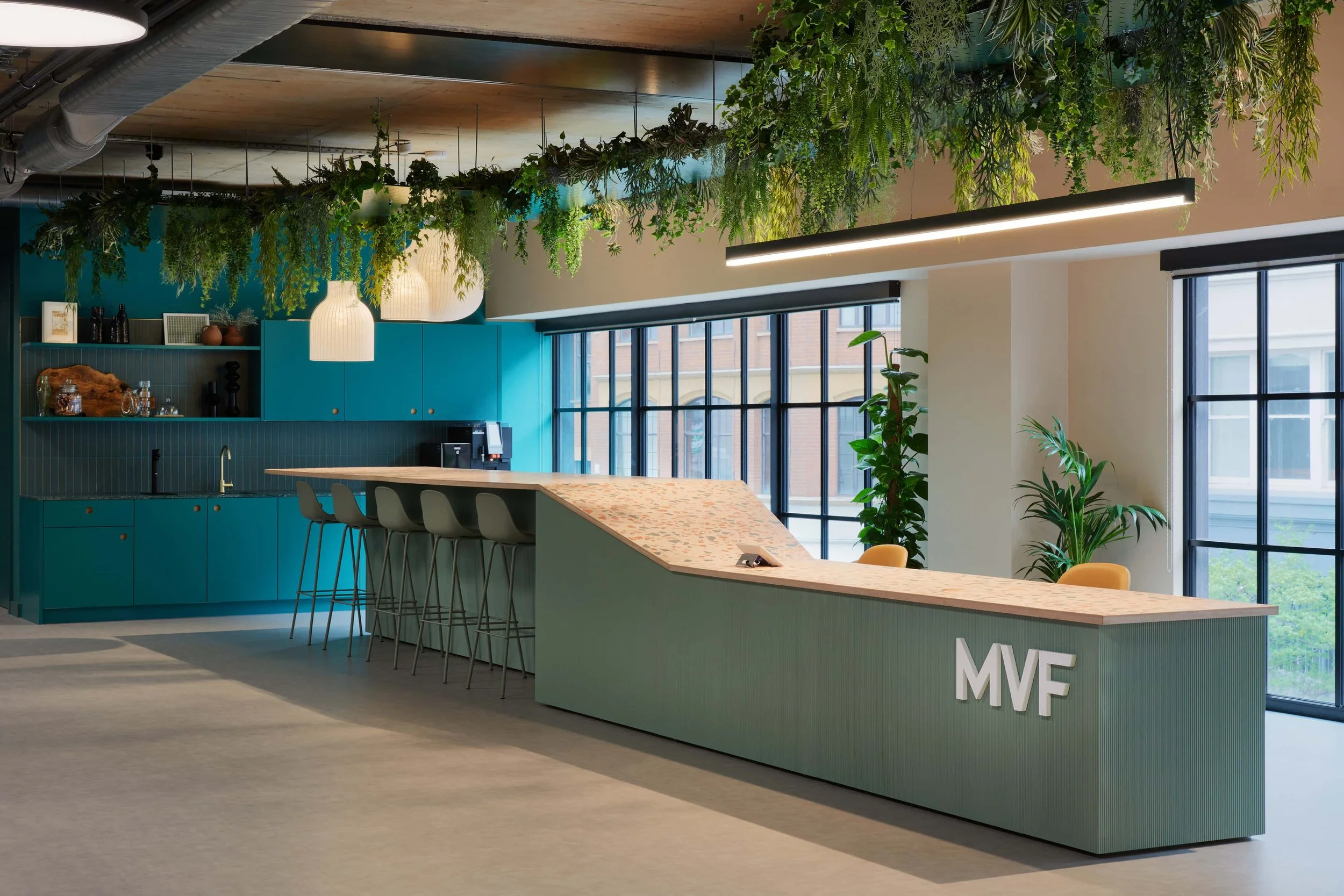
Your office is a physical extension of your brand. The moment a client or potential employee walks through the door, they begin forming opinions often before a single word is spoken.
If your interiors feel generic, dated, or disconnected from your company values, your space may be working against you. A creative agency operating from a dull, corporate environment or a professional consultancy based in a chaotic layout can send mixed messages about credibility and direction.
A thoughtful redesign ensures that colours, materials, spatial flow, and finishes all align with your brand personality. Whether your business identity is bold and innovative, calm and professional, or warm and people-focused, your workspace should communicate that story clearly.
A strategic approach to Office Design London allows organisations to translate their brand values into a cohesive physical environment that strengthens trust and recognition.
A refreshed office not only enhances client impressions but also helps employees feel more connected to the company’s vision and purpose.
2 . Lack of Functionality and Flow
An attractive office means little if it doesn’t function properly. Poor layouts often reveal themselves through daily frustrations — overcrowded desks, underused rooms, awkward walkways, or a lack of private areas for focused work. This is exactly where Office Space Planning London: How Layout Affects Team Productivity becomes critical for businesses looking to improve performance through smarter design.
As businesses grow or adopt hybrid working models, original floor plans can quickly become inefficient. When movement feels unnatural or collaboration becomes difficult, productivity naturally declines.
Well-designed workplaces consider how people actually work throughout the day. This includes:
-
Collaborative zones for teamwork
-
Quiet areas for concentration
-
Informal breakout spaces
-
Efficient circulation paths
-
Adaptable layouts for future change
A professionally planned Commercial Office Design focuses on spatial efficiency while balancing comfort and flexibility. By improving flow and usability, employees spend less time navigating obstacles and more time doing meaningful work.
Modern layouts also support agile working, enabling teams to shift between tasks without disruption.
3 . Low Employee Morale and Comfort
Employee wellbeing is directly linked to the environment they work in. Poor lighting, uncomfortable furniture, excessive noise, or limited access to daylight can quietly erode morale over time.
When staff feel physically uncomfortable or mentally drained by their surroundings, engagement and motivation suffer. This often leads to increased absenteeism, reduced performance, and higher staff turnover — all of which carry significant business costs.
A redesign offers the opportunity to prioritise comfort through:
-
Ergonomic seating and desks
-
Improved acoustic control
-
Better ventilation and airflow
-
Access to natural light
-
Calm, balanced colour schemes
A well-considered Modern Office Design supports both physical and mental wellbeing, helping employees feel valued and energised throughout the working day.
Beyond comfort, investing in your workspace sends a powerful message: that your people matter. In competitive employment markets, this can become a key factor in attracting and retaining talent.
4 . Outdated Aesthetics
Office interiors date faster than many business owners realise. What felt contemporary ten years ago may now appear tired, cluttered, or uninspiring.
Outdated finishes, worn flooring, ageing furniture, and dull colour palettes can negatively affect both staff perception and client confidence. Even subtle signs of neglect may suggest stagnation rather than progress.
Today’s office environments favour:
-
Clean, timeless palettes
-
Natural textures and materials
-
Integrated greenery and biophilic elements
-
Zoning through colour and lighting
-
Thoughtful branding features
Current design trends focus on creating spaces that feel welcoming, human-centred, and adaptable — rather than overly corporate or rigid.
Refreshing your office aesthetics does not always require a full rebuild. Strategic updates, when planned correctly, can dramatically modernise your workspace while remaining cost-effective.
5 . Technology Limitations
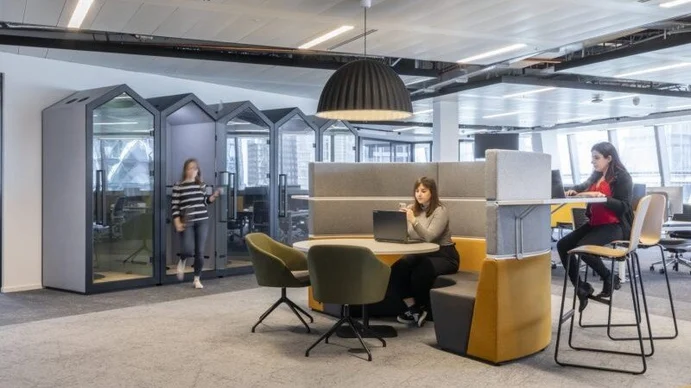
Technology now sits at the heart of daily business operations. If your office struggles to support video conferencing, collaborative tools, or flexible workstations, productivity quickly suffers.
Common issues include visible cable clutter, unreliable meeting room setups, insufficient power points, and poor acoustics for online calls. These problems disrupt workflows and create frustration during important interactions.
An effective redesign integrates technology from the very beginning rather than adding it as an afterthought. This includes concealed cabling, adaptable meeting spaces, and seamless digital connectivity.
Through detailed planning and Technical CAD Drawings, designers can ensure every workstation, meeting room, and collaboration zone supports modern working requirements — both now and in the future.
When technology and design work together, your office becomes a facilitator of efficiency rather than a barrier.
6. Business Growth or Change in Structure
Businesses evolve — and offices must evolve with them. Whether you are expanding your team, restructuring departments, or transitioning to hybrid working, your existing layout may no longer support how your organisation operates.
Signs of growth-related strain include:
-
Overcrowded desks
-
Insufficient meeting rooms
-
Temporary workstations becoming permanent
-
Lack of flexibility for future expansion
Redesigning with long-term growth in mind allows businesses to avoid repeated disruptions and costly modifications later.
Professional planning ensures your space can adapt as your organisation changes, offering flexibility without compromising comfort or design quality.
A structured approach supported by Interior Design Project Management ensures timelines, budgets, and logistics are handled efficiently, allowing your team to focus on daily operations while the transformation takes place.
7. You’re Unsure About the Cost — and Keep Postponing
One of the most common reasons businesses delay office redesigns is uncertainty around cost. Without clear guidance, it’s easy to assume the process will be expensive or disruptive.
However, a well-planned redesign is an investment rather than an expense. When approached strategically, it can deliver long-term returns through improved productivity, staff retention, and operational efficiency.
Working with a professional Procurement Consultant helps manage budgets effectively by sourcing suitable materials, furniture, and finishes without unnecessary overspending.
Transparent cost planning allows businesses to make informed decisions, prioritise essential upgrades, and phase work where necessary — ensuring maximum value from every pound invested.
Why Choose Oraanj Interiors for Your Office Redesign in London?
At Oraanj Interiors, we understand the dynamic nature of London’s business environment and the importance of creating workplaces that are both functional and inspiring.
Every office is approached with a clear understanding of your brand, workflow, and long-term goals. Whether you require a light refresh or a complete transformation, each design solution is tailored to support your people and your business objectives.
Our approach combines creativity with technical precision, ensuring spaces are not only visually compelling but also practical and compliant.
From early concepts through to final delivery, our team also carefully considers elements such as Lighting Design, spatial planning, and user experience to create balanced, productive environments.
With experience across a wide range of industries, Oraanj Interiors delivers offices that perform as well as they look.
Conclusion
If any of these signs resonate with your current workspace, it is likely time to consider a redesign. An outdated or inefficient office can quietly hold your business back — affecting morale, productivity, and professional image.
A carefully planned office transformation can revitalise your workplace, support modern working practices, and create an environment where employees feel motivated and valued.
Rather than viewing redesign as a disruption, it should be seen as an opportunity — to future-proof your business and strengthen your brand from the inside out.
📞 Ready to take the first step? Get in touch with the Oraanj Interiors team today for a tailored consultation and discover how your office space can work better for you.


