


Boutique hotels have a peculiar advantage over chains: they can be truly memorable. A guest can stay in fifty Marriotts and struggle to distinguish one from another. Stay in a well-designed boutique hotel once, and the details stay with you—the particular quality of light in the morning, the texture of a wall, the way the room felt like it was designed for exactly the kind of trip you were on.
That feeling isn’t accidental. It’s the result of deliberate, expert interior design decisions. And it’s the single most powerful driver of repeat bookings and word-of-mouth referrals that boutique operators have. If you look at the hospitality interior design trends shaping 2026, this focus on emotional connection is more apparent than ever.
How Does Design Create the Kind of Loyalty That Money Cannot Buy?

Loyalty programmes work by giving guests financial reasons to return. Design works by giving them emotional ones. The two aren’t mutually exclusive, but in the boutique sector, where margins are tighter and scale is smaller, design-led loyalty is far more cost-effective.
Guests who return because the space made them feel a certain way are also less price-sensitive. They’re not comparing your rate to the chain hotel down the road; they’re deciding whether they want that specific experience again. That’s pricing power that no amount of points can buy, and it is one of the starkest differences between luxury and budget-friendly hotel design.
Which Specific Design Decisions Actually Drive Return Visits?

Bed position and quality of sleep come first. It sounds obvious, but too many hotel rooms position the bed for aesthetic reasons rather than practical ones—facing the wrong way, under a window that lets in street light, or next to a wall that transmits noise from the corridor. Guests who sleep badly do not come back.
Bathroom quality is disproportionately remembered. Guests spend a surprising amount of their stay in the bathroom, and they notice everything: water pressure, towel warmth, the quality of finishes, the way the lighting flatters. A beautifully designed bedroom with a mediocre bathroom is a missed opportunity.
Lighting throughout the room should be layered and controllable. Guests shouldn’t have to choose between pitch dark and harsh overhead light. Bedside reading lights, ambient wall lighting, and blackout options are the minimum. Thoughtful lighting design is what separates a pleasant room from one guests tell their friends about. In fact, lighting ranks highly among the major design considerations when designing a hotel.
Why Is the Arrival Moment So Critical to Your Brand?

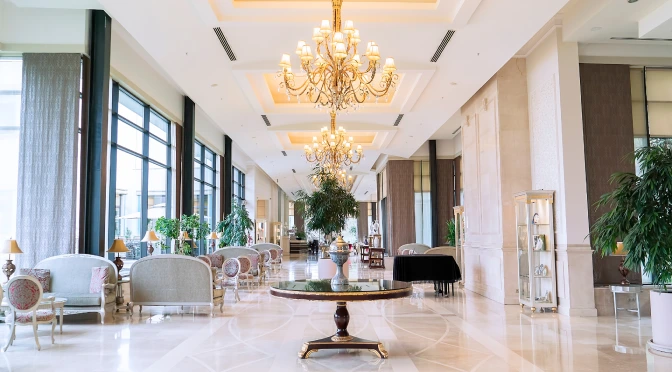
The lobby is your brand’s handshake. Boutique hotels that invest in a striking, characterful arrival experience set an emotional tone that colours everything that follows. Guests who feel impressed and welcomed in the first sixty seconds are predisposed to enjoy the rest of their stay.
This is why hotel interior design should never treat the lobby as secondary to the rooms. In many boutique properties, it’s the space guests return to most—for breakfast, for a drink, or for an afternoon working.
How Can You Create Character That Cannot Be Replicated?
The final differentiator is authenticity. Guests can sense when a boutique hotel has been designed with genuine intention versus when it’s simply imitating the boutique aesthetic. Authentic character comes from design decisions rooted in the specific building, location, and concept, not from applying a template.
If you’re developing or refurbishing a boutique hotel in London, the most valuable conversation you can have is with a designer who understands the hospitality sector specifically. Contact our team to discuss your project.

