


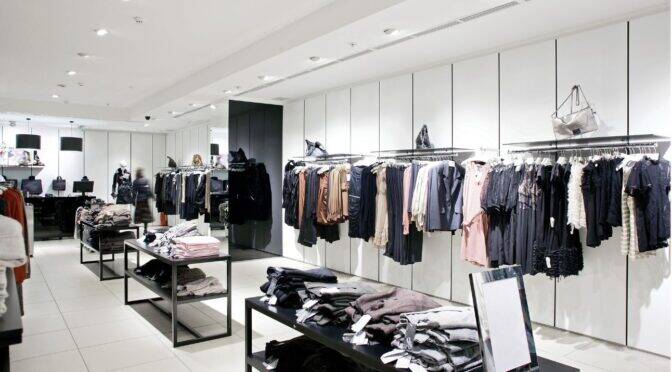
When a customer walks into a shop, they form an opinion within seconds. That first impression, the layout, the lighting, the atmosphere, the ease with which they can navigate the space, is entirely the product of retail interior design. For business owners in London investing in a physical retail presence, understanding how interior design for retail works and what it can achieve commercially is no longer optional. It is a fundamental part of running a competitive shop in 2026.
What Is Retail Interior Design?
Retail interior design is the discipline of planning, designing, and fitting out commercial spaces specifically to support the business of selling. It goes well beyond choosing paint colours or display furniture. Interior and retail space design encompasses the full spatial experience a customer has from the moment they approach the shopfront to the moment they leave, including how they move through the space, what they notice first, how long they stay, and how likely they are to return.
A professional retail interior design agency approaches a project with both creative and commercial intelligence. The design has to look exceptional and perform commercially. Every decision, the placement of product zones, the height of shelving, the direction of foot traffic, the temperature of the lighting, is informed by an understanding of customer psychology and retail strategy, not just aesthetics.
This is what separates retail commercial interior design from general decorating. It is a specialist discipline that requires experience of how physical spaces affect purchasing behaviour, and how brand identity can be expressed through architecture, materials, and spatial planning.
Why Does Shop Interior Design Matter for Your Business?

The short answer is that a well-designed retail space sells more. Understanding the principles of shop interior design that drives sales is worth exploring in detail, because it has direct implications for how you invest in your physical layout.
It shapes first impressions at the door. Research consistently shows that customers decide whether to enter and engage with a retail space within the first few seconds of arrival. A well-considered shopfront, entrance design, and initial sightline does the job of a salesperson before a single member of staff has made contact.
It guides customers to where you want them to go. Strategic interior design within retail uses layout, lighting, flooring transitions, and sightlines to create natural paths through a space. Done well, this increases the number of products a customer is exposed to, improves dwell time, and raises the average transaction value. Done poorly, or left to chance, customers miss entire sections of a store, feel confused, and leave faster.
It communicates your brand without words. The materials, finishes, colour palette, and spatial atmosphere of a retail environment tell customers immediately what kind of business you are and who you are for. A modern retail interior design scheme in a fashion boutique signals something entirely different from a richly textured, traditionally finished luxury jeweller, and both are right for their respective audiences. The design is the brand in physical form.
It improves operational efficiency. Good retail shop interior design is not just about the customer-facing experience. It also considers staff movement, stockroom access, fitting room capacity, counter positioning, and queue management. An operationally sound layout reduces friction for both customers and staff, which directly affects the quality of service delivered on the floor.
What Does a Retail Interior Design Agency Do?

A full-service retail interior design agency manages the entire process of transforming a commercial space from concept through to completed fit-out. At Oraanj, our retail design work as part of our broader full-service interior design offering covers every stage including:
Site analysis and spatial planning. Before any design work begins, a thorough assessment of the existing space identifies structural constraints, natural light conditions, entrance positions, customer flow patterns, and any landlord or planning restrictions that affect what is possible.
Concept development and visualisation. Brand-led interior concepts are developed based on the client’s positioning, target customer, and commercial objectives. These are presented through mood boards, material samples, and detailed 3D visualisations so the client can see the finished result before any physical work begins.
Retail layout and merchandising zone design. The floor plan is one of the most commercially significant decisions in a retail project. Zones are designed to create a logical customer journey, maximise product exposure, and balance the competing demands of display, service, storage, and movement.
Bespoke fixture and display design. Standard retail furniture rarely fits a space precisely or reflects a brand with any real depth. Custom-designed counters, shelving, display units, and cabinetry, produced through bespoke joinery, give a retail environment a cohesive, distinctive quality that off-the-shelf solutions never deliver.
Lighting design. Lighting is one of the highest-impact elements in any retail environment. It defines zones, highlights products, creates atmosphere, and directly affects how merchandise looks and feels to a customer standing in front of it. Our lighting design service is integrated into every retail project from the earliest stages, ensuring it serves the design intent rather than being considered as an afterthought.
Material and finish specification. Surface selections, flooring, wall finishes, ceiling treatments, and hardware must balance durability in a high-traffic environment with the visual quality demanded by a premium retail brand. This is an area where specialist experience matters significantly.
Project delivery and fit-out management. A concept that is not delivered well is a concept wasted. Our project management ensures that design intent is maintained through every stage of construction and fit-out, and that the finished space opens on time, within budget, and to the standard the design demands.
What Are the Key Elements of a Well-Designed Retail Space?

Whether the project is a flagship boutique in Knightsbridge or an independent retail shop in a London neighbourhood, implementing structured retail interior design in London is critical to creating high-conversion store layouts that balance product density with customer comfort.
Customer flow and spatial hierarchy. The entrance zone, main floor, feature displays, service counter, and fitting rooms all need to be positioned in relation to each other with deliberate intent. The customer journey through the space should feel natural and unhurried, while ensuring maximum exposure to the full product range.
Visual merchandising integration. The interior design and the merchandising strategy must be developed together. Display heights, sightlines across the shop floor, wall fixtures versus floor-standing units, and the relationship between product density and breathing space all need to be resolved at the design stage, not after fit-out.
Lighting layers. Effective retail lighting combines ambient illumination, accent lighting on featured products, and task lighting at service points. Each layer serves a different purpose, and the balance between them determines whether a space feels energetic and inviting or flat and undifferentiated.
Brand materiality. The physical materials used in a retail space, timber species, stone finishes, metal tones, and textile applications should be a direct expression of the brand. Successful projects focus on designing retail spaces that captivate passersby while reinforcing the premium quality of the merchandise on display. Luxury retail interior design in London typically involves a higher proportion of natural materials, refined joinery details, and a restrained palette that communicates quality through understatement.
Flexibility and adaptability. Retail environments need to evolve with seasons, collections, and commercial priorities. Good retail showroom interior design builds in the flexibility to reconfigure displays, change focal points, and refresh the feel of the space without a full redesign every time.
How Does Retail Interior Design in London Differ From Other Cities?

London retail is not a single market. A boutique in Mayfair operates under entirely different expectations than a concept store in Shoreditch or a specialist retailer in Canary Wharf. Retail interior design in London requires a nuanced understanding of location, customer demographics, footfall patterns, and the competitive context of each specific area.
Prime London locations also present practical challenges, listed building restrictions, strict landlord consent requirements, complex party wall and planning considerations, and the logistical demands of fitting out a space in a dense urban environment, which require experienced designers and contractors who have navigated them before.
Working with a commercial interior designer who understands London’s retail landscape is therefore not just about getting a better-looking space. It is about avoiding the costly mistakes that come from underestimating what a London retail project involves, and from working with a team that has the right supplier network, contractor relationships, and regulatory knowledge to deliver at pace and to a high standard.
How Have Interior Design Ideas for Retail Shops Evolved in 2026?

The role of the physical retail store has changed significantly. With more purchasing decisions beginning online, the in-store experience must now deliver something digital channels cannot, sensory engagement, tactile product interaction, and a feeling of brand immersion that a website or app is fundamentally unable to replicate.
Modern retail interior design in 2026 reflects this shift. The most commercially successful retail spaces integrate digital touchpoints, screens, interactive displays, and click-and-collect infrastructure within a physical environment designed to deliver an experience worth visiting for its own sake. Social-media-worthy moments are deliberately designed into the space. Product interaction is prioritised over product density. The store becomes a destination, not just a distribution point.
This is the design philosophy that a specialist Luxury Interior Designer London brings to retail projects, not simply making things look beautiful, but designing spaces that work harder, connect more deeply with customers, and support the long-term commercial success of the business behind them.
If you are planning a new retail space, a refurbishment, or a complete reposition of an existing shop interior, the right time to engage a specialist retail interior design team is at the very beginning, before layouts are fixed, contractors are appointed, or budgets are set. The decisions made at the earliest stages have the greatest impact on both the quality and the cost of the finished result.

