


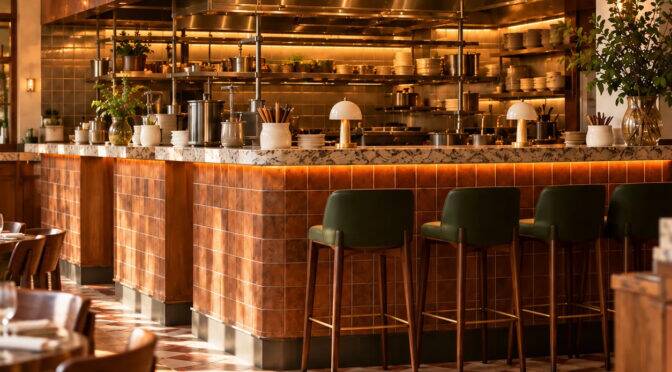
The layout of your restaurant determines almost everything, how many covers you can comfortably seat, how efficiently your front-of-house team can serve, how relaxed your guests feel, and, ultimately, how much revenue your dining space can generate. Yet, despite its critical importance, the physical layout remains one of the decisions that restaurant owners most often rush or completely underestimate. Especially when you are designing a small restaurant in London, getting the traffic flow right is absolutely paramount to your survival.
This guide delves into the core principles of restaurant space planning. Whether you are starting with a completely blank canvas or actively rethinking a tired existing space, these insights will help you make fully informed choices that protect your bottom line and greatly enhance the everyday guest experience.
Why Is Restaurant Layout a Strategic Decision?

A well-thought-out restaurant floor plan design is not just a practical diagram; it is a highly effective revenue model. Every single square metre either earns its keep or becomes a noticeable drain on your resources. The intricate relationship between the kitchen, the bar, the entrance, and the dining zones directly affects your speed of service, staff efficiency, and the overall guest journey.
Good restaurant interior design always starts with robust space planning, rather than simply picking out furniture or wall finishes. If you manage to get the layout right first, you will find that everything else follows much more naturally and logically.
What Are the Key Zones Every Restaurant Layout Needs?
Entrance and reception area – This critical zone controls exactly how guests arrive, wait for their table, and smoothly transition into the main dining space. It should be generous enough to comfortably hold a small queue without awkwardly blocking the dining room, as it instantly sets the very first impression of your brand.
Dining zones – The most successful restaurants deliberately divide their floor into distinct zones rather than leaving one massive, echoing open expanse. Cosy, intimate booths, lively central tables, and casual bar seating attract entirely different types of guests, allowing you to seamlessly manage the atmosphere across the entire room.
Bar and pass area — The visibility and positioning of your bar can be a tremendous financial asset. A well-placed bar naturally creates vibrant energy and provides solo diners with a comfortable place to sit. Similarly, the kitchen pass should be easily accessible to your servers without creating a chaotic, dangerous crossing point right through the middle of the diners.
Service routes — A minimum aisle width of 900mm between tables is the absolute golden standard for comfortable, safe service. Anything narrower inevitably creates frustrating bottlenecks and significantly increases the chance of dropped plates and accidents during a busy service. Avoiding these common restaurant interior design mistakes is essential for long-term operational success.
Back of house — Your kitchen, storage rooms, staff breakout areas, and utilities take up considerably more space than most first-time operators expect. Typically, you should allocate around 30 to 40 per cent of your total floor area to these vital back-of-house functions in a standard full-service restaurant.
How Do You Balance Cover Count with Guest Experience?

The immediate instinct for any operator is almost always to maximise the number of covers. In theory, more seats should equal more revenue. In practice, however, an uncomfortably overcrowded room quickly turns guests off, slows down your service, drastically increases noise levels, and ultimately generates negative reviews that suppress future bookings.
A realistic and thoroughly considered cover count—complete with proper, generous spacing—will always outperform a crammed floor plan over any meaningful period of time. As an integral part of our commercial interior design process, we meticulously model the cover count against essential service routes, zone distribution, and your specific brand positioning long before a single piece of furniture is even chosen.
Why Must Lighting and Layout Work Together?
Lighting decisions simply cannot be separated from your physical layout. A private booth absolutely requires a different lighting approach compared to a large, communal central table. A bar needs bright, focused task lighting at the counter level for the bartenders, combined with softer, atmospheric lighting overhead for the guests. Zones intended to feel intimate and romantic need much lower, warmer light than a lively, high-energy central section.
Carefully planning your lighting design in London right alongside the floor plan—rather than hastily retrofitting it at the end—consistently yields far better results and prevents incredibly costly electrical changes once the fit-out has already begun.
How Can Bespoke Elements Define Your Space?
Beautifully built-in banquette seating, custom-made host stations, bespoke display shelving, and stunning feature joinery all perform infinitely better when they are strategically designed as part of the initial layout, rather than being squeezed in as an afterthought. Investing in expert Bespoke joinery design specifically tailored for your space ensures you maximise every single corner. It creates the kind of highly considered, distinctive atmosphere that photographs exceptionally well and actively encourages your guests to share their experience online.
Are You Ready to Plan Your Restaurant Layout with Professional Help?
Restaurant layout is certainly not something you can successfully work out on a simple spreadsheet. The foundational decisions you make at this early stage will heavily affect your daily operation for years to come. Working alongside experienced restaurant interior designers right from the very beginning means your floor plan will be intelligently built around your unique menu format, specific service style, and core brand identity, rather than relying on tired, generic templates.
Talk to our team today about your exciting restaurant project, and let us show you exactly what the right layout can do to elevate your dining space.

