


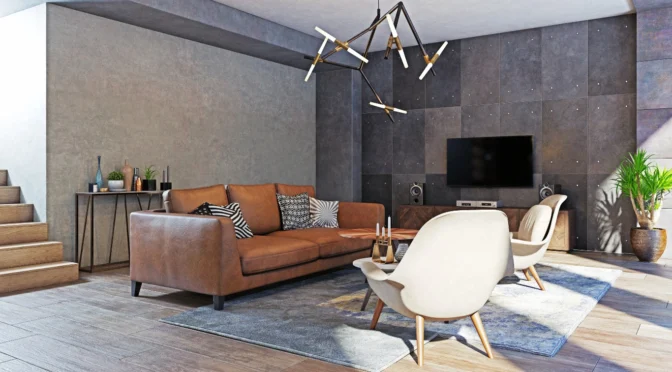
Home Cinema Interior Design in Nottingham London
Project Summary
Client Location: France-based client, London property
Property Location: Nottingham, London
Project Type: Modern Home Cinema Interior Design
Scope: Full interior design planning including spatial layout, bespoke lighting design, and material specification
Timeline: 10–12 months
A home cinema can look stylish and still fail in use. Poor sightlines, flat lighting, and the wrong material choices can make the room feel uncomfortable rather than immersive.
This home cinema interior design in Nottingham London was created to solve that problem. The aim was to build a space that feels cinematic in the evening, comfortable during the day, and strong enough visually to work as part of the wider home.
In our Interior Design London projects, entertainment rooms often need to do more than one job. They must support viewing, conversation, relaxation, and sometimes informal hosting. That is why this design started with layout, lighting, and comfort before styling decisions were made.
Client Brief
The client wanted a dedicated cinema lounge that felt contemporary, comfortable, and visually distinctive. The room needed to support film viewing while still working as a relaxed social space.
The priorities were clear:
- Create a strong visual identity for the room
- Balance bold materials with comfort
- Use lighting to support atmosphere and viewing quality
This was not simply a TV room upgrade. It was about designing an entertainment space that feels purposeful and fully resolved.

Home Cinema Layout Strategy in Nottingham London
A cinema room only works if the layout is right. Bad seating angles, blocked sightlines, or poor circulation reduce comfort immediately.
For this project, layout was the starting point. Through our Interior Architecture approach, the room was planned to maintain clear views to the screen while still feeling open and usable during the day.
Seating was positioned to support both film viewing and social use. The arrangement allowed everyone to face the entertainment wall comfortably without making the room feel rigid or overfilled.
Circulation around the seating zone was kept clear. That matters in residential entertainment spaces, where comfort and movement need to work together rather than compete.
Natural daylight was also considered. During daytime use, the room needed to feel bright and welcoming rather than closed off and overly theatrical.
Common Problems We Solve in Home Cinema Rooms
Many home cinema spaces underperform for the same reasons. The issue is usually not the screen or speakers. It is planning.
The most common problems include:
- Seating placed without proper sightlines
- Lighting that creates glare or feels too bright
- Hard finishes that make the room feel cold
- No balance between cinema use and everyday living
- A layout that looks good but feels awkward in practice
As Interior Designers London, we often see entertainment spaces where the technology is expensive but the room itself was never designed around how people actually use it.
Materials That Made the Room Feel Cinematic and Comfortable
This room needed strong visual character, but it also needed warmth. A home cinema should feel immersive, not harsh.
The design used large-format dark wall panels to create depth and a more cinematic backdrop. These surfaces helped anchor the room and reduce the visual flatness often seen in entertainment spaces.
To balance that strength, softer materials were introduced through caramel-toned leather seating, textured rugs, and warm wood flooring.
That contrast was important. Without the softer finishes, the room would have felt too industrial. Without the darker architectural surfaces, it would have felt like a standard lounge rather than a cinema-led space.
This is what good material planning does. It allows the room to feel distinctive without losing comfort.
Lighting Design for a Better Viewing Experience
Lighting was one of the most important parts of this project. In cinema rooms, poor lighting can ruin both the atmosphere and the viewing experience.
Here, lighting was designed in layers so the room could shift easily between different modes of use.
The sculptural multi-arm pendant created a visual centrepiece and gave the room a strong identity. It added character without overpowering the space.
Accent lighting highlighted the texture of the wall panels and added depth to the architecture. Soft indirect lighting created background illumination that maintained comfort during film viewing.
This layered approach meant the room could operate in different ways:
- Bright enough for daytime use
- Soft enough for evening viewing
- Atmospheric enough for relaxed entertaining
This is where strong lighting design has real value. It shapes how the room feels at every hour, not just how it looks in one setting.
For similar inspiration, this is a useful next read: How to Achieve a Luxury Interior Design Aesthetic in London Homes.
Why This Room Works Beyond Film Viewing
A strong home cinema room should not feel unusable outside film nights. That is a common mistake in entertainment spaces.
For this project, the room was designed to support:
- Private film viewing
- Relaxed conversation
- Casual daytime use
- Small social gatherings
That flexibility came from the balance between strong architectural materials and comfortable furnishings. The room feels cinematic, but it still feels like part of the home.
This is especially important in London properties, where every room needs to justify how it is used.
The Design Process Behind the Result
A room like this only works when every decision is coordinated properly. If the layout, materials, and lighting are handled separately, the result feels fragmented.
This project followed a structured design process:
- Space planning to establish viewing angles and circulation
- Material selection to balance industrial character with warmth
- Lighting design to support both atmosphere and usability
- Furniture planning for comfort and layout clarity
- Final coordination to ensure consistency in delivery
Where implementation support is required, our Construction Company coordination helps ensure the room is delivered as designed, with finishes, lighting positions, and detailing aligned correctly.
Project Results
The final room feels immersive, refined, and highly usable. It supports cinema viewing without becoming overly dark or overly themed.
The biggest improvements came from planning rather than decoration.
What changed most:
- Clearer seating arrangement with strong sightlines
- Better balance between cinematic mood and residential comfort
- Lighting that works across day and evening use
- A stronger material identity for the room
- A more flexible entertainment space overall
This is what strong home cinema interior design in Nottingham London should achieve. It should solve how the room works while giving it a clear and memorable atmosphere.
Project Highlights
- Home cinema interior design in Nottingham London
- Seating planned for comfort and clear viewing angles
- Dark wall panels creating a cinematic backdrop
- Leather seating, rugs, and wood flooring adding warmth
- Sculptural pendant lighting as a focal point
- Layered lighting for day-to-night flexibility
- Designed for an overseas client managing a London property remotely
To explore more residential interiors by our studio, visit our portfolio page.
Planning Your London Property Transformation?
If your entertainment room feels underused or disconnected, the issue is usually layout, lighting, and comfort rather than styling.
Our Turnkey Interior Design London service manages the process from concept development and planning to procurement and installation.
For London homeowners and international clients, that creates a more reliable route to a room that feels immersive, practical, and fully resolved.
Visit our contact page to arrange a discovery call and discuss your project.

