


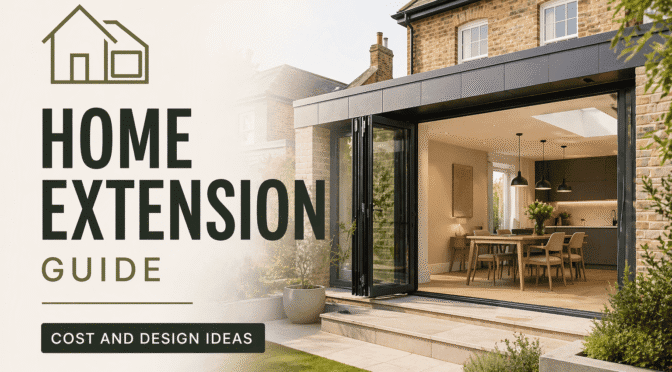
Expanding your property is one of the most effective ways to increase your living space, adapt to a growing family, and add significant market value to your house. Sifting through proven house extension design tips and navigating the complexities of planning permission, structural engineering, and spatial design requires a highly strategic approach. Partnering with experienced builders in london ensures your architectural vision translates seamlessly into reality, bypassing the common pitfalls associated with major structural alterations. This guide breaks down the core financials, design inspirations, and logistical requirements for a successful build.
How Much Does a Home Extension Cost?
The average cost of home extension projects in the UK currently sits between £1,500 and £2,500 per square metre for a standard finish. However, for bespoke, high-end architectural finishes in the capital, this figure frequently exceeds £3,000 per square metre.
What influences this cost?
- Groundwork and Foundations: Complex soil conditions or the presence of main sewer lines can significantly increase foundational costs.
- Glazing Specifications: Expansive bi-fold doors, bespoke roof lanterns, and frameless structural glass are premium additions that drive up the base price.
- Roofing Structure: A pitched roof with matching heritage tiles will cost considerably more than a standard flat roof with a modern EPDM membrane.
How Do Home Extension Prices Break Down?

Understanding exactly where your budget is allocated is critical for successful project management. While every property is unique, here is a realistic breakdown of baseline home extension prices:
- Single-Storey Rear Extensions: £40,000 – £75,000
- Side Return Extensions: £35,000 – £60,000
- Double-Storey Extensions: £75,000 – £130,000
- Wrap-Around Extensions: £60,000 – £110,000+
Important Budgeting Note: These figures typically represent the building shell and basic plastering. They do not account for VAT, architect fees, structural engineer calculations, or the final interior fit-out (such as luxury kitchens or sanitaryware). To accurately control these escalating variables, working with expert property renovators is highly recommended to manage the entire scope efficiently from the very first site survey.
What Are Some Small Home Extension Ideas to Maximise Space?

You do not need a massive plot of land to make a transformative impact on your daily living environment. Here are highly effective small home extension ideas that prioritise intelligent spatial planning:
The Side Return Transformation: Perfect for Victorian and Edwardian terraces, a side return extension reclaims the dark, unused alleyway alongside the rear projection of the house. By squaring off the footprint under your permitted development rights in London, you can create a sprawling, open-plan kitchen and dining area flooded with natural light through full-length skylights.
The Glass Box Addition: A modern architectural feature that pushes out just a few metres into the garden. Using frameless glass walls and ceilings creates a seamless transition between the indoors and outdoors, providing a contemporary dining space that feels entirely immersed in nature without requiring heavy masonry work.
The Functional Porch Extension: A modest front addition that radically improves the flow of your home. A well-designed porch creates essential, dedicated storage for wet coats, muddy shoes, and umbrellas, keeping your main entrance hallway entirely clutter-free and visually welcoming.
Over-Garage Extensions: If your property has an attached side garage, building directly on top of this existing structural footprint is a highly cost-effective way to add an extra en-suite bedroom or a dedicated home office without sacrificing a single square metre of your garden space. Integrating custom furniture design into these compact or uniquely shaped new rooms ensures every alcove and corner is optimally utilised.
Do You Need Home Insurance While Building an Extension?

Yes, updating your policy is a mandatory, non-negotiable step before ground is broken. Standard domestic homeowner policies rarely cover major structural works or properties that are undergoing heavy renovation.
Securing specific home insurance while building extension projects is vital to protect your financial assets. You must formally notify your current provider about the scale of the works; failure to do so can completely invalidate your existing coverage, leaving you liable for damages. You will likely need to take out ‘Contractors All Risk’ insurance or a dedicated extension/renovation policy. This specialist cover protects against structural damage to the existing property (such as unexpected subsidence or collapse), public liability claims, and the theft of expensive building materials stored on-site.
How Should You Vet and Select Home Extension Builders?
The ultimate success, safety, and finish of your build hinge entirely on the team you hire. Sourcing reliable home extension builders requires strict vetting and a refusal to settle for the cheapest initial estimate.
Key selection criteria:
- Examine Local Portfolios: Ask to view recently completed extensions in your specific borough. Reputable firms will gladly arrange a brief site visit to a past project so you can inspect the quality of the brickwork, plastering, and joinery first-hand.
- Demand Itemised Quotes: Reject vague, single-page estimates. A professional proposal should break down costs line-by-line, separating labour, materials, waste removal, and provisional sums for bespoke finishes.
- Check Accreditations: Ensure the firm is registered with recognised industry bodies (such as the FMB or comprehensively insured) and ask for explicit details regarding their structural warranties.
What Is the Strategic Advantage of a Principal Home Extension Builder?
Managing multiple independent tradesmen—plumbers, electricians, structural glaziers, and decorators—can quickly become a logistical nightmare that leads to costly delays. Appointing a principal home extension builder who operates as a single point of contact streamlines communication, enforces strict quality control, and maintains unwavering accountability throughout the build schedule.
How Do You Align the Architectural Build with Turnkey Interior Design?
Combining your structural build with a turnkey interior design service eliminates the disconnect between the architecture and the aesthetics. This holistic approach ensures that crucial interior elements—such as lighting node placements, bespoke cabinetry recesses, and plumbing routing for kitchen islands—are mapped out long before the concrete foundations are poured, resulting in a highly cohesive, tailored home.

