


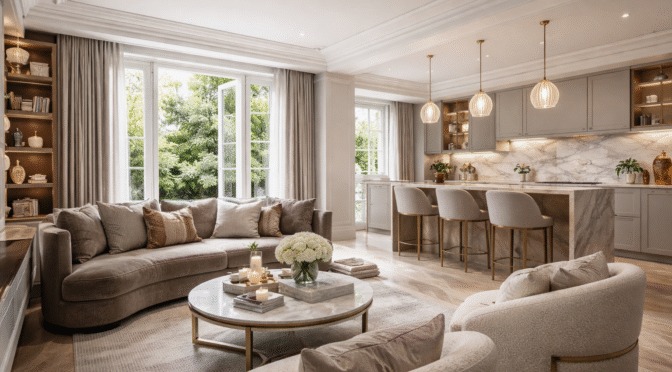
London homes are unlike any others. From compact Victorian terraces and Edwardian townhouses to modern penthouses and luxury apartments, each property comes with its own architectural quirks, spatial challenges, and lifestyle demands. This is exactly why working with experienced Residential Interior Designers is no longer a luxury reserved for show homes; it has become an essential investment for homeowners who want their space to function beautifully and feel truly personal.
Professional interior designers do far more than select colours or furniture. They bring structure to creative ideas, clarity to complex decisions, and cohesion to spaces that would otherwise feel disjointed. In a city as design-forward and architecturally diverse as London, expert guidance can completely redefine how a home looks, feels, and performs day to day.
This guide explores how residential interior designers transform London homes, what separates professional design from DIY efforts, and why choosing the right interior design partner matters more than ever.
Why Residential Interior Design Matters in London Homes?
London properties are often constrained by space, planning regulations, and legacy architecture. Even large homes may suffer from poor layouts, limited natural light, or outdated interiors that no longer support modern living.
Professional Residential Interior Designers approach these challenges holistically. Rather than decorating rooms in isolation, they consider how each space connects to the next, how light moves through the property, and how the home supports the homeowner’s lifestyle, whether that means entertaining, working from home, or accommodating a growing family.
Where many homeowners struggle with fragmented ideas or Pinterest overload, designers bring focus, discipline, and a clear creative direction.
The Difference Between Decorating and Professional Interior Design
One of the most common misconceptions is that interior design is simply about styling. In reality, professional residential interior design is a multi-layered process that balances creativity with technical expertise.
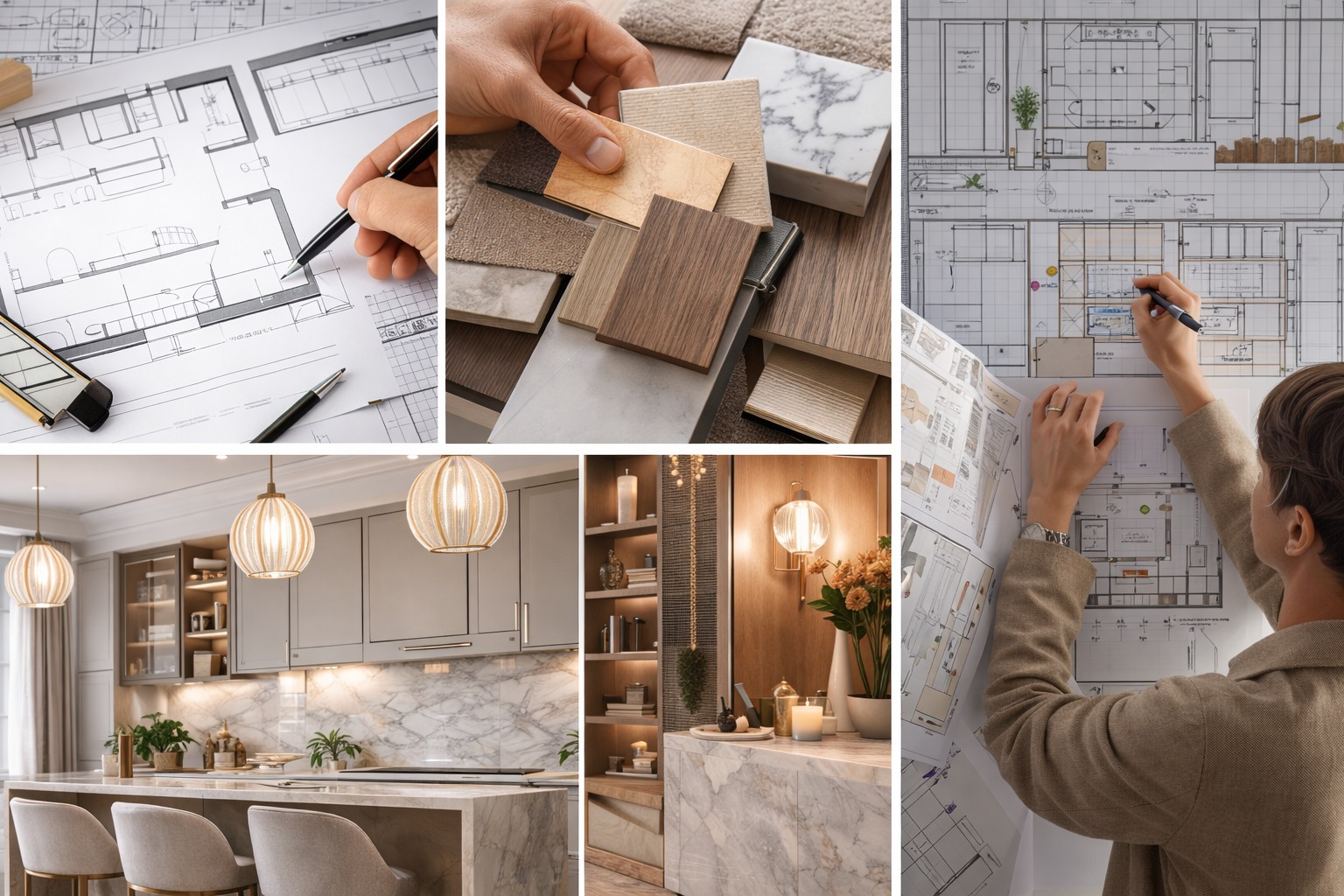
When working with an established Interior Design Company, the scope typically includes:
- Space planning and layout optimisation
- Technical drawings and elevations
- Lighting design and electrical planning
- Material and finish selection
- Furniture, joinery, and bespoke detailing
- Coordination with contractors and suppliers
This level of involvement ensures that every design decision is intentional and aligned with the bigger picture — something that’s difficult to achieve without professional guidance.
Understanding How Interior Designers Transform Homes
1. Reimagining Space Through Intelligent Layouts
Many London homes suffer from inefficient layouts that no longer suit modern lifestyles. Small kitchens, awkward hallways, or poorly defined living spaces can make even large properties feel cramped.
Residential interior designers begin by analysing how the space is currently used, and how it should be used. Through detailed layout planning and spatial analysis, they unlock the home’s true potential.
This often involves professional documentation such as layout plan & elevations AutoCAD drawings, which allow designers, clients, and contractors to visualise the space before any work begins. These drawings ensure accuracy, avoid costly mistakes, and provide a clear roadmap for execution.
2. Creating Cohesive Design Concepts
One of the hallmarks of expert residential interior design is cohesion. Instead of rooms feeling disconnected, designers create a consistent design language that flows throughout the home.
This doesn’t mean every room looks the same — rather, it means materials, colours, textures, and proportions are thoughtfully connected. Flooring transitions smoothly between spaces, lighting layers complement architectural features, and furniture scales appropriately for each room.
By working with professionals specialising in Interior Design London, homeowners benefit from design solutions tailored to the city’s architectural styles and lifestyle expectations.
3. Elevating Homes Through Lighting Design
Lighting is one of the most transformative and often overlooked elements of interior design. Poor lighting can undermine even the most beautiful interiors, while thoughtful lighting can elevate modest spaces dramatically.
Residential interior designers create layered lighting plans that combine:
- Ambient lighting for overall illumination
- Task lighting for functionality
- Accent lighting to highlight architectural features and textures
Professional lighting design considers how natural and artificial light interact throughout the day, enhancing mood, functionality, and visual comfort.
4. Selecting the Right Materials and Finishes
From flooring and wall finishes to cabinetry and soft furnishings, material selection plays a critical role in how a home feels and ages over time.
Residential interior designers guide clients through countless options, ensuring materials are not only visually appealing but also practical, durable, and appropriate for the space.
For example, choosing the right flooring requires balancing aesthetics with lifestyle factors such as foot traffic, pets, children, and maintenance expectations.
Why London Homeowners Choose Professional Interior Designers?
Local Knowledge Makes a Difference
Designing homes in London requires an understanding of local planning constraints, building regulations, and architectural heritage. Experienced designers know how to work within these frameworks without compromising creativity.
A trusted Interior Design Company also brings established relationships with contractors, suppliers, and craftsmen, ensuring smoother project execution and higher-quality results.
Bespoke Solutions Over Generic Design
Every London home is different, and so is every homeowner. Residential interior designers create bespoke solutions rather than applying one-size-fits-all aesthetics.
Whether designing a family home, a pied-à-terre, or a luxury apartment, professionals tailor each detail to reflect the client’s lifestyle, taste, and long-term needs.
The Role of Interior Designers in Renovation and Refurbishment Projects
Residential interior designers often play a pivotal role in refurbishment and renovation projects. Their involvement early in the process ensures:
- Smarter space planning before construction begins
- Better coordination between trades
- Reduced design changes mid-project
- Cost efficiencies through informed decision-making
Designers act as a bridge between vision and execution, ensuring that the final result aligns with the original concept.
Interior Design as an Investment, Not an Expense
Well-designed interiors don’t just enhance daily living — they add tangible value to properties. Thoughtful layouts, quality materials, and timeless design choices improve market appeal and resale value.
In competitive London property markets, professionally designed homes often stand out, sell faster, and command higher prices.
Residential Interior Design for Different Types of London Homes
Apartments and New Builds
Designers maximise limited space, improve storage, and add character to neutral developer finishes.
Period Properties
Respecting original features while integrating modern comforts requires sensitivity and expertise.
Family Homes
Designers create flexible, durable spaces that evolve with changing family needs.
Choosing the Right Residential Interior Designer
When selecting residential interior designers in London, homeowners should look beyond portfolios alone. Key considerations include:
- Clear design process
- Transparent communication
- Technical expertise
- Proven experience with similar properties
A strong designer-client relationship is essential for a successful project.
From Concept to Completion: A Seamless Design Journey
The most successful interior design projects follow a structured process:
- Initial consultation and brief development
- Concept design and spatial planning
- Technical drawings and specifications
- Material, lighting, and furniture selection
- Project coordination and final styling
This structured approach ensures clarity, consistency, and confidence at every stage.
How Residential Interior Designers Save Time, Stress, and Cost?
One of the least talked about benefits of working with Residential Interior Designers is how much time and stress they remove from the entire process. Designing a home involves hundreds of decisions, many of which homeowners don’t realise they need to make until it’s too late. From selecting finishes and fixtures to coordinating deliveries and trades, the complexity can quickly become overwhelming.
Professional designers streamline this process by presenting curated options that align with the overall vision, budget, and practical requirements of the home. Instead of endless browsing and second-guessing, clients receive clear recommendations backed by experience and technical knowledge. This efficiency alone can shave weeks, sometimes months, off a project timeline.
Designers also help prevent costly mistakes. Incorrect measurements, incompatible materials, poor lighting placement, or impulsive purchases often lead to expensive revisions. A trusted Interior Design Company anticipates these issues early, ensuring decisions are made correctly the first time. This proactive approach protects both the design integrity and the client’s investment.
Another key advantage is access. Established designers have long-standing relationships with suppliers, craftsmen, and contractors, often unlocking better-quality products, lead times, and finishes that are not easily available to the general public. These industry connections enhance the final outcome while keeping projects running smoothly behind the scenes.
Perhaps most importantly, residential interior designers act as advocates for the homeowner. They manage communication across multiple stakeholders, interpret technical details, and ensure that the design vision is executed exactly as intended. This level of oversight gives clients peace of mind, knowing their home is in expert hands from concept through completion.
In a fast-paced city like London, where time is precious and property decisions carry long-term impact, professional interior design is not just about aesthetics. It’s about clarity, confidence, and creating a home that works beautifully for years to come.
Final Thoughts: Transforming London Homes Through Design
Residential interior designers bring vision, structure, and expertise to London homes, transforming them into spaces that are not only beautiful but deeply functional and personal.
Whether you’re renovating, refurbishing, or designing a new home, working with experienced professionals ensures your space is thoughtfully planned, expertly executed, and built to last.
For homeowners ready to begin their design journey, speaking with a trusted interior design team is the first step toward creating a home that truly reflects how you live.


