


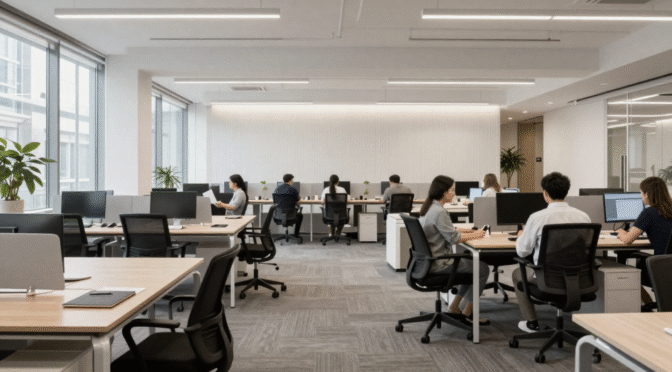
Designing a modern workplace is no longer just about choosing the right furniture or painting the walls in a neutral shade. Today’s offices must balance aesthetics, functionality, employee well-being, and brand identity in equal measure. For businesses operating in the capital, Office Design London has become a strategic tool rather than a decorative afterthought. The Art of Office Interior Design in London: Creating Spaces that Inspire Productivity lies in translating these priorities into environments that actively support how people think, collaborate, and perform every day.
In a city as competitive and fast-paced as London, an office space does far more than house desks and meeting rooms. It reflects company culture, supports productivity, and creates lasting impressions on clients, partners, and employees alike. A well-designed office can encourage collaboration, improve morale, and even support staff retention, while a poorly planned one can do the opposite.
This is why choosing the right office interior designers in London is a critical business decision—one that directly impacts day-to-day operations and long-term growth. If you’re looking for a design team capable of elevating your workplace, here’s exactly what to look for, and why working with a specialist London interior firm like Oraanj Interiors can make all the difference.
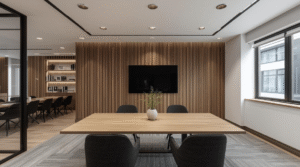
1. A Strong, Proven Office Portfolio
When evaluating interior designers, the first and most important step is reviewing their previous work—specifically office interior design projects completed within London. A credible design studio should demonstrate hands-on experience delivering Commercial Office Design solutions that respond to the city’s unique business landscape.
London offices vary significantly in scale and character, from heritage buildings with structural limitations to sleek, modern developments designed for flexible working. A strong portfolio shows how designers adapt to these varied contexts while still delivering cohesive, functional spaces.
A well-curated office portfolio should clearly demonstrate:
- Modern, flexible space planning
- Intelligent use of natural and artificial light
- Clear zoning for focused, collaborative, and social areas
- Thoughtful attention to employee comfort and workflow
- Visual alignment with a company’s brand identity
Beyond aesthetics, portfolios should reveal how designers solve practical challenges, such as awkward floorplates, limited square footage, or changing team sizes. These examples offer reassurance that the designers can translate creative concepts into real-world solutions.
2. A Deep Understanding of Business Needs
Every organisation operates differently, and no two offices should look or function the same. A financial consultancy, for example, may prioritise privacy and acoustic control, while a creative agency might favour open-plan collaboration and informal meeting spaces. This is why the best Interior Design Firms in London always begin with a detailed understanding of their client’s business model.
Experienced office designers take time to understand:
- Brand identity and company values
- Daily workflows and team dynamics
- Technology, storage, and operational requirements
- Client-facing versus internal-only areas
- Long-term growth and flexibility needs
Designing without these insights often leads to generic, short-lived layouts. When designers fully understand how a business functions, however, the office becomes a tailored environment that supports productivity, efficiency, and culture. The result is a workplace that feels intentional rather than decorative.
3. Expertise in Ergonomics & Productivity-Focused Layouts
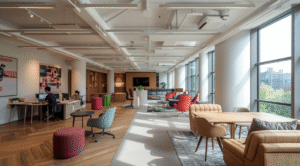
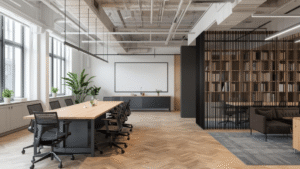
A dynamic workplace interior that blends focused work zones with relaxed seating and collaborative areas in a light-filled, contemporary setting.
4. Knowledge of London’s Space Constraints
5. Ability to Blend Aesthetics with Functionality
A visually striking office can make a strong impression, but design should never come at the expense of usability. The most successful workplaces are those where form and function work seamlessly together.
Leading designers know how to integrate:
- Brand colours subtly woven into the overall palette
- Textures and materials that enhance mood and comfort
- Durable furniture suited to high-traffic environments
- Technology-ready solutions for modern working
- Acoustic treatments to manage noise levels
By balancing aesthetics with functionality, designers ensure the office remains practical, adaptable, and visually appealing over time. This approach prevents costly redesigns and ensures the space continues to support business needs as they evolve.
6. Clear Communication & Transparent Processes
Office design is a collaborative process that involves multiple stakeholders, timelines, and budgets. Clear communication is therefore essential to the success of any project. Reputable firms place strong emphasis on transparency and structure, particularly when it comes to Interior Design Project Management.
Businesses should expect:
- Regular progress updates
- Clearly defined project stages
- Transparent cost breakdowns
- Realistic timelines and milestones
- Proactive issue resolution
Effective project management ensures that design intentions are delivered accurately while minimising disruption to daily operations. This is especially important for businesses that continue working on-site during refurbishment or fit-out phases.
7. End-to-End Turnkey Solutions
The most efficient office interior designers offer end-to-end services, managing the entire journey from initial concept through to final handover. This integrated approach is particularly valuable in London, where coordinating multiple consultants and contractors can be time-consuming.
Turnkey services typically include:
- Space planning and layout development
- 3D visualisations to preview the finished space
- Detailed Technical CAD Drawings for accuracy and compliance
- Material sourcing and supplier coordination
- Build, installation, and finishing
Many firms also provide Procurement Services, ensuring furniture, fixtures, and materials are sourced efficiently, within budget, and delivered on schedule. When combined with Design and Build London‘s expertise, this single-team approach simplifies the process, reduces risk, and ensures consistency from start to finish.
Why Choosing the Right Office Interior Designer Matters
Designing an effective office environment involves far more than selecting furniture or choosing a colour palette. A well-planned workspace should reflect the company’s identity while also supporting productivity, collaboration, and employee wellbeing. In a competitive business city like London, the quality of your workplace design can influence both team performance and the impression your business makes on clients.
Professional Interior Design Studio London teams approach office design with a strategic mindset. They analyse how teams interact, how departments function, and how every part of the workspace can contribute to efficiency. Through considered design decisions, including thoughtful Interior Architecture and detailed Layout Plan & Elevations, designers ensure the office layout supports both movement and productivity.
Another important aspect of modern office environments is flexibility. As businesses evolve, offices must accommodate different working styles, from focused individual work to collaborative discussions and informal meetings. Designers often incorporate adaptable layouts, breakout zones, and creative work areas that encourage communication while maintaining a professional atmosphere.
For businesses undertaking larger refurbishments, having clear technical documentation such as Technical CAD Drawings and coordinated Project Management can make the entire process more efficient. These elements help ensure that design ideas translate smoothly into construction and installation.
Ultimately, a well-designed office does more than improve appearance. It supports organisational culture, improves workflow, and creates a workplace where employees can focus, collaborate, and perform at their best.


