


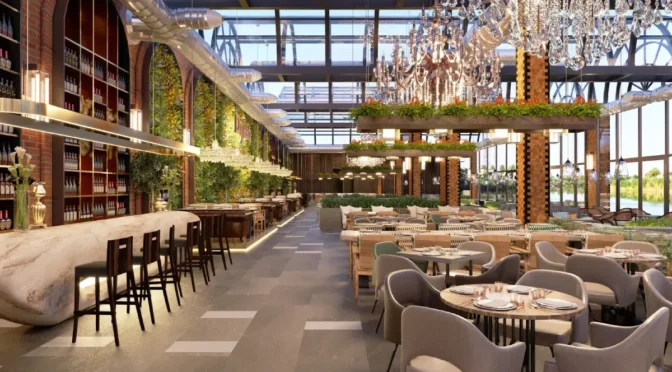
In London’s highly competitive hospitality landscape, a restaurant must work harder than ever to justify its place. Location, concept, and cuisine matter—but it is the interior environment that ultimately shapes how a guest experiences the brand. From first impression to final course, design decisions quietly influence comfort, efficiency, and commercial success. Thoughtful Restaurant Interior Design is therefore not an aesthetic exercise alone; it is a strategic process rooted in planning, precision, and long-term operational thinking. As industry expectations evolve, Restaurant Interior Design in London: Top Concepts for 2026 increasingly focuses on flexibility, experiential dining, sustainability, and intelligent space utilisation—principles that are essential for restaurants seeking longevity in a demanding market.
London presents a unique challenge. Sites are often compact, heritage-led, or structurally complex, while customer expectations remain uncompromising. Successful restaurants respond to these pressures with design that balances creativity and rigour, ensuring that every square meter works intelligently and beautifully.
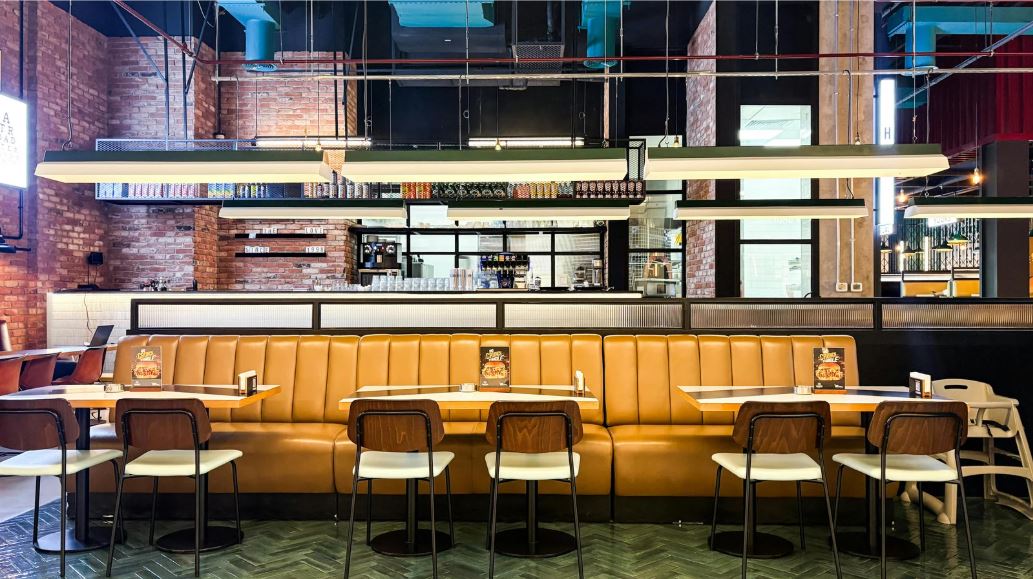
Why a Good Restaurant Floor Plan Matters?
A well-planned layout establishes clarity from the moment a guest enters. It influences first impressions, comfort levels, dwell time, and even repeat visits. In a city where property constraints are common and customer expectations are high, the quality of planning behind a restaurant floor plan can make the difference between a space that merely functions and one that truly performs.
A thoughtfully planned restaurant layout impacts several critical areas of success.
1. Customer Experience
A restaurant should feel intuitive and welcoming from the outset. Guests need to understand where to go, how to move through the space, and where they belong, without being consciously aware of the design guiding them. A well-designed floor plan creates this sense of ease through careful spatial organisation and proportion.
Smooth movement from entrance to seating reduces hesitation and discomfort, particularly during busy service periods. Balanced table distribution avoids overcrowding while maintaining energy and vibrancy within the dining space. When circulation routes are clear and seating is well spaced, guests can enjoy their meal without feeling overlooked or constrained.
A pleasant dining ambience is the cumulative result of multiple design decisions working together. The relationship between tables, walls, and service routes plays a significant role in shaping how relaxed and private the dining experience feels. These considerations are especially important in London, where diners are accustomed to high-quality environments and expect comfort to be seamlessly integrated into the experience.
2. Operational Efficiency
Behind every successful restaurant is a layout that supports staff as effectively as it serves guests. A good floor plan enables smooth staff movement, reduces unnecessary steps, and allows service to flow naturally, even during peak hours.
The distance between key zones—kitchen, bar, dining area, and washrooms—should be carefully calibrated to support efficient workflows. Poorly planned layouts can lead to congestion, delays, and staff fatigue, all of which impact service quality and operational costs. When these zones are positioned strategically, staff can work with confidence and consistency, improving overall performance.
Effective Space Planning ensures that operational routes remain discreet and efficient, maintaining a calm dining environment while allowing staff to move quickly and safely. In compact London sites, where back-of-house areas are often limited, this level of planning becomes even more critical to long-term success.
3. Revenue Per Square Foot
In London, space is a premium asset. Every square meter must work hard to justify its presence, particularly in hospitality environments where rent, rates, and operational costs are high. A strong restaurant floor plan balances commercial objectives with guest comfort, ensuring that revenue is maximised without compromising experience.
Maximising table placement does not mean overcrowding. Strategic zoning allows for increased seating capacity while maintaining appropriate clearances and visual breathing space. The careful relationship between table sizes, circulation routes, and service areas enables restaurants to operate efficiently across different service periods.
A well-considered layout also supports flexibility, allowing the space to adapt to different group sizes, events, and seasonal demands. This adaptability enhances long-term profitability and resilience in a competitive market.
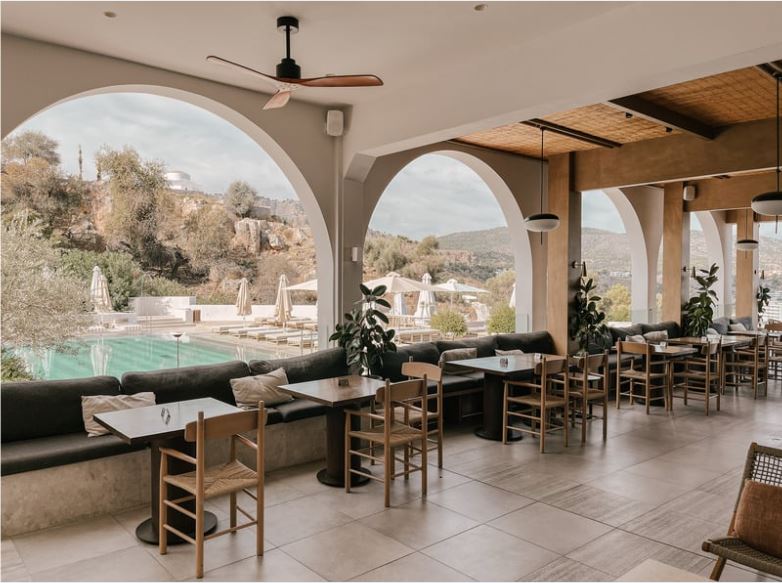
Key Elements of an Effective Restaurant Floor Plan
1. Smart Zoning
Clear zoning is the foundation of any successful restaurant layout. Dividing the space into defined functional areas allows both guests and staff to navigate the environment effortlessly.
Typical zones include:
-
Entrance and waiting area
-
Dining zones
-
Bar area
-
Kitchen and preparation zones
-
Service stations
-
Washrooms
Each zone should support a seamless customer journey, transitioning naturally from one area to the next. The entrance sets expectations, the dining zones establish comfort and atmosphere, and support spaces operate efficiently in the background. Well-considered zoning prevents visual clutter and ensures that the restaurant feels coherent rather than fragmented.
2. Optimal Table Layout
Table layout plays a crucial role in defining both capacity and comfort. When planning a restaurant floor plan in London, circulation widths must be carefully respected to allow smooth movement for guests and staff alike.
A minimum aisle width of 1.2–1.5 meters supports efficient service and accessibility. A balanced mix of table sizes accommodates couples, small groups, and larger parties without disrupting the overall flow. Flexible layouts also allow the restaurant to respond to peak hours, private bookings, and special events with minimal disruption.
The positioning of tables in relation to walls, windows, and feature elements influences privacy and perceived value. A thoughtful layout enhances the dining experience while supporting operational demands.
3. Customer Comfort
Comfort is a multi-layered consideration that extends beyond seating. Adequate spacing between tables allows conversations to remain private and movement to feel unforced. Good ventilation maintains air quality, particularly in busy service periods, while acoustics help control noise levels in lively environments.
Lighting, temperature, and material choices all contribute to comfort, but it is the underlying spatial framework that allows these elements to perform effectively. When comfort is prioritised at the planning stage, guests are more likely to stay longer and return frequently.
4. Kitchen and Service Flow
The kitchen is the engine of any restaurant, and its relationship with the dining space must be carefully managed. Efficient walkways for chefs and servers reduce stress and improve speed of service. Proximity to the bar and dishwashing areas supports seamless operations, particularly during busy periods.
Clear distinction between clean and dirty dish pathways is essential for hygiene and safety. When service routes are thoughtfully planned, staff can operate confidently without disrupting the guest experience. This level of coordination is typically resolved through detailed Layout Plan & Elevations, ensuring that spatial relationships are clearly defined before construction begins.
5. Accessibility Compliance
London restaurants are required to meet accessibility standards, ensuring that all guests can navigate the space comfortably and safely. This includes appropriate circulation widths, step-free access where possible, and accessible washroom facilities.
Incorporating accessibility from the outset avoids costly retrofits and ensures inclusivity without compromising design quality. A well-planned layout integrates these requirements seamlessly, allowing the space to feel welcoming to all users.
Design Tips to Improve Flow & Experience
-
Use Visual Anchors
Visual anchors help guests intuitively understand the space. Feature walls, open kitchens, or a well-positioned bar counter draw the eye and establish orientation. These elements also reinforce brand identity and create memorable moments within the interior.
-
Implement Flexible Seating
Modular furniture allows the layout to evolve throughout the day. Tables can be reconfigured for different group sizes, events, or service styles, supporting operational flexibility without altering the core layout.
-
Enhance Atmosphere Through Design
Layered lighting, warm textures, and carefully considered colour palettes create depth and character. Thoughtful Lighting Design supports different moods across lunch and evening service, enhancing the overall dining experience while maintaining visual comfort.
-
Avoid Bottlenecks
Entry and exit points, restroom access, and bar service queues must be carefully considered to prevent congestion. A good floor plan anticipates peak moments and eliminates pressure points before they arise.
Why Work With a Professional Restaurant Designer?
Designing a successful restaurant requires more than aesthetic sensitivity. Professional designers understand how to balance functionality, brand expression, regulatory requirements, and commercial objectives within a single, cohesive solution.
The use of accurate Technical CAD Drawings ensures clarity during construction, reducing errors and protecting design intent. Coordinated Interior Design Project Management aligns programme, budget, and quality, allowing complex projects to progress smoothly.
Equally important is Procurement, which ensures that materials, finishes, and bespoke elements are sourced responsibly, delivered on time, and aligned with the overall design vision. Together, these disciplines create a structured yet creative process that supports long-term success.
Ready to discuss your design? 👉 Contact Us
Conclusion
A well-designed restaurant floor plan in London is a strategic asset. It shapes customer experience, supports efficient operations, and maximises commercial potential within often challenging spatial constraints. By focusing on comfort, flow, and intelligent zoning, restaurants can create environments that feel effortless for guests and highly functional for staff.
When planning is approached with clarity and expertise, the result is a dining space that not only meets immediate needs but continues to perform as the business evolves. In a competitive market, thoughtful design is not a luxury—it is a necessity.


