


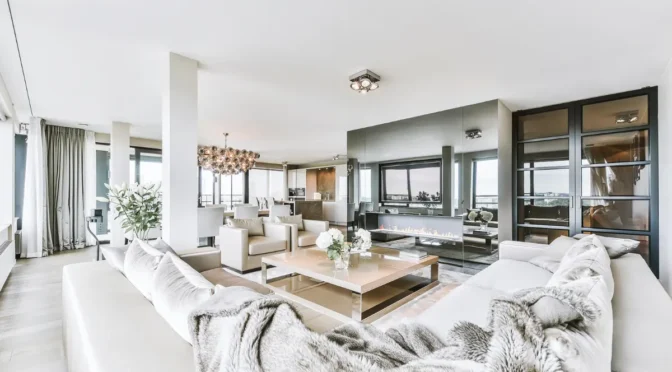
White interior design is a powerful way to create a clean, serene and sophisticated atmosphere in any home. Its timeless appeal comes from its versatility, simplicity and ability to make spaces feel brighter and larger.
Whether you prefer a minimalist haven, a modern sanctuary or a traditional-inspired home, white can elevate your interior. In this guide, we explore the benefits of white interiors and how to use them effectively.
From our experience as Interior Designers in London, white interiors remain one of the most requested design foundations—particularly in urban homes and apartments where light, openness, and flexibility are essential for everyday living.
Benefits of a White Interior Design
White interiors are often regarded as the epitome of elegance and clarity. This colour has the unique ability to transform a space, making it feel open, fresh, and inviting. However, achieving this effect depends greatly on selecting the right shade and undertone—something explored in detail in Which White Paint Should You Choose? A Designer’s Guide, where professional insight helps homeowners understand how lighting, room orientation, and material finishes influence the final result.
Brightens Any Space
White surfaces reflect light, so even small rooms feel more spacious. For this reason, white works especially well in homes with limited natural light.
Timeless Appeal
White never dates. It pairs effortlessly with changing trends, which makes it ideal for long-term design schemes.
Creates a Calm Atmosphere
Because white feels neutral and soft, it promotes relaxation. Therefore, it suits bedrooms, bathrooms and calm living areas.
When paired with thoughtful space planning and a balanced material palette, white interiors can feel both grounded and luxurious rather than stark or impersonal.
How to Incorporate White into Your Interior Design?
An all-white interior can feel daunting. However, balance makes all the difference. Mixing colour, texture and materials keeps the space inviting.
1. Mix Textures for Depth
Without texture, white spaces can feel flat. To avoid this, layer tactile materials.
Use:
-
Linen cushions
-
Wool throws
-
Velvet upholstery
-
Textured rugs
Textured Walls
Subtle wall panels or wallpapers add dimension while keeping the palette light.
Wood Accents
Natural wood introduces warmth and prevents the room from feeling cold.
In many residential projects, we’ve found that layering textures is one of the most effective ways to make white interiors feel lived-in and inviting, especially in open-plan homes.
2. Add Contrasting Colours
White looks best when paired with contrast. Even small accents can add interest.
Accent Walls
Soft grey, navy or muted green walls create depth without overpowering the space.
Black and White
Black frames, mirrors or furniture create a timeless contrast that feels crisp and modern.
Carefully chosen contrast also supports better visual flow—something professional interior designers in London often prioritise in compact city properties.
3. Use White to Highlight Architectural Features
White works beautifully for showcasing details like mouldings, fireplaces and large windows. Painting walls and trims in soft whites allows these features to stand out.
Feature Lighting
Statement pendants, chandeliers or wall sconces in brass or gold add warmth and sophistication.
Well-planned lighting design plays a crucial role here—layered lighting ensures white interiors remain warm and atmospheric from day to night.
4. Incorporate Plants for a Touch of Nature
Plants instantly soften white spaces. Greenery introduces colour, life and a natural feel.
Large plants make bold statements. Smaller plants add charm to shelves and tables.
This principle aligns closely with Feng Shui consultation practices, where greenery—especially near entrances or hallway spaces—supports positive energy flow and balance within the home.
5. Create a White-on-White Look
For minimalists, layering whites creates a refined and calming result. Use creamy whites, soft whites and bright whites together for subtle variation.
White Furniture
Off-white sofas or whitewashed wood add contrast without breaking the palette.
Tone variation works particularly well in apartments where spaces flow into each other.
White Design Interiors for Every Room
White works in every part of the home when used thoughtfully.
Living Room
A white sofa paired with neutral cushions creates a welcoming and contemporary space.
Artwork adds personality. Carefully curated pieces maintain calm while avoiding a sterile feel.
Kitchen
White kitchens remain a classic choice. They pair well with marble, stainless steel and sleek cabinetry.
A white kitchen benefits greatly from proper colour consultation, ensuring finishes work harmoniously under both natural and artificial light.
Bedroom
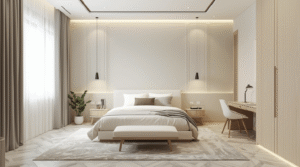
White bedrooms feel peaceful and restorative. Crisp bedding, soft textiles and gentle colour accents create comfort.
Bedrooms designed with a full-service approach often feel more cohesive, as layout, lighting, and material choices are considered together from the start.
Conclusion:
White interiors offer a timeless and adaptable foundation. They suit minimalist, modern and traditional homes alike.
By layering texture, adding contrast and including natural elements, you can create a warm and inviting space that never feels dull.
As an award-recognised interior design studio in London, Oraanj Interior Design approaches white interiors with careful attention to layout, lighting, and long-term liveability—ensuring spaces remain both beautiful and practical over time.
White interior design continues to be a chic and lasting choice for any home.


