


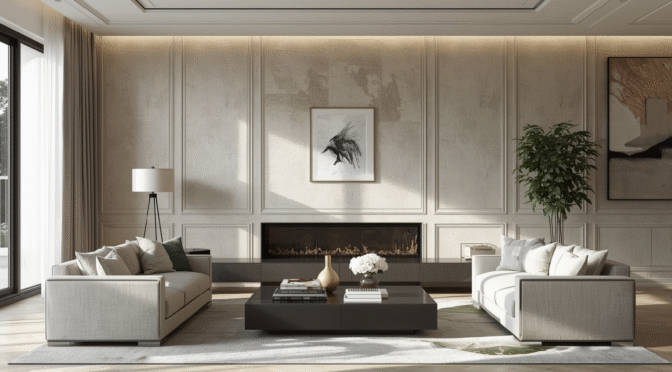
Wall Panelling: Different Types to Elevate Your Interiors
Wall panelling is a design feature that feels both classic and modern. While it was once used mainly for insulation, today it is a popular decorative element that adds style and character to any room.
In fact, at Interior Design Studio in London, wall panelling is quite often an initial discussion point for our clients looking to improve period or modern apartments because it provides a unique combination of aesthetics and functionality.
This guide explores trending wall panelling styles and shares useful tips on how to use them effectively in your home.
Why Choose Wall Panelling?
Different Types of Wall Panelling
1. Shaker / Traditional Wall Panelling (Wainscoting)
Best for: Living rooms, hallways, dining rooms
Style: Timeless, formal, classic
Shaker-style panelling uses rectangular frames made from MDF or wood strips applied directly to walls. It adds structure and sophistication, especially in Georgian or period homes.
In heritage renovations, designers often pair this style with a professional colour consultation to ensure new finishes complement original features.
Tip: Use bold tones like navy or olive for contrast.
2. Tongue and Groove Panelling
Best for: Bathrooms, utility rooms, country kitchens
Style: Rustic, cottagecore, coastal
This classic vertical panelling consists of boards that interlock using a tongue-and-groove system. It’s commonly installed up to dado rail height or halfway up the wall. For more insight, see How to Use Tongue and Groove in Interior Design?—a guide that explores creative applications, placement strategies, and styling tips to make the most of this classic panelling technique.
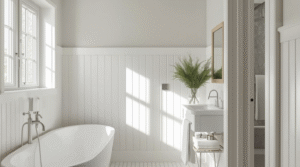
Design idea: Use light colours like white or pale grey for a fresh, airy vibe.
3. Slat Wall Panelling (Modern Wood Slats)
Best for: Feature walls, bedrooms, offices
Style: Contemporary, Scandinavian, Japandi
Vertical wooden slats add texture while maintaining a minimalist feel. They work beautifully behind beds, desks, or media units.
Designers often integrate slat panelling during early space planning to help define zones in open-plan layouts.
Bonus: Slat panels can also improve acoustics.
4. Beadboard Panelling
Best for: Kitchens, bathrooms, nurseries
Style: Cottage, classic
Beadboard features narrow vertical grooves and raised ridges. It is decorative yet simple and is often sold in sheets for easy installation.
5. Board and Batten Panelling
Best for: Entryways, staircases, bedrooms
Style: Farmhouse, transitional
Wide boards with vertical battens create a strong, graphic look. This style visually elongates walls, making it ideal for narrow or tall spaces.
Style tip: Moody colours add drama.
6. Flat Panel / Geometric Panelling
Best for: Feature walls, modern spaces
Style: Creative, bold
This style uses MDF or wood strips to form patterns such as squares, chevrons, or abstract shapes. Lighting design often enhances the depth and shadow lines.
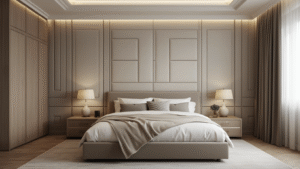
Trend: Painting panels the same colour as the wall is very popular.
7. Upholstered Wall Panelling
Best for: Bedrooms, home offices, media rooms
Style: Luxurious, hotel-inspired
Fabric-covered padded panels in velvet, leather, or linen add softness and comfort. They are often used as statement headboards.
High-end residential projects by Luxury Interior Designers in London frequently combine upholstered panelling with layered lighting design to achieve a boutique-hotel atmosphere at home.
How to Choose the Right Wall Panelling for Your Space?
Consider Room Function
-
Living rooms & hallways: Shaker panelling adds elegance
-
Bedrooms & media rooms: Upholstered or slat panels add comfort
-
Bathrooms & kitchens: Tongue and groove or beadboard suit moisture-prone areas
In multifunctional homes, a brief Feng Shui consultation can help guide placement and visual balance.
Think About Your Design Style
-
Modern homes: Slatted or geometric panels
-
Country interiors: Beadboard or tongue and groove
-
Period homes: Traditional wainscoting
Play with Colour and Texture
Panelling looks striking in forest green, navy, charcoal, or terracotta. For a minimalist feel, paint panels and walls the same shade.
Many homeowners choose a professional colour consultation because undertones shift under different lighting.
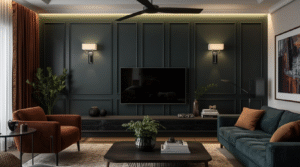
Oraanj Interiors: Wall Panelling Ideas, Inspiration & More
Wall panelling is one of the most versatile design features available. It can transform plain walls into refined architectural elements.
At our award-winning studio, for instance, we sometimes include panelling as part of a comprehensive full-service in ensuring a cohesive approach in everything related to layout refinement, materials, and lighting sources.
Whether you prefer subtle traditional details or bold modern statements, the right panelling choice can elevate your interior and add long-term value.


