


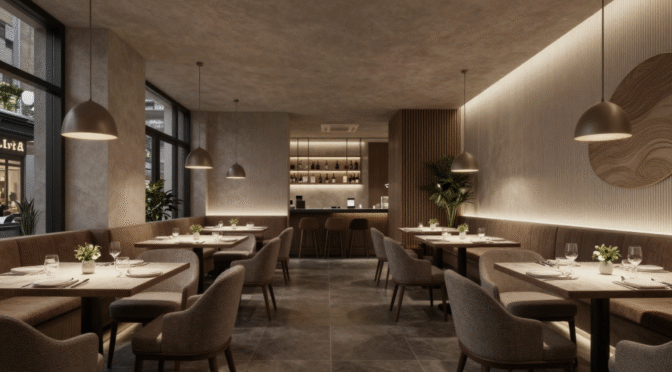
London’s restaurant scene is one of the most competitive and fast-evolving in the world. With thousands of venues competing for attention, modern diners expect far more than exceptional food. Ambience, comfort, atmosphere, and emotional connection now play an equally important role in the dining experience.
As we move into 2026, restaurant interiors are becoming a powerful branding tool. Thoughtfully designed spaces influence how long guests stay, how much they spend, and whether they return. From social-media impact to operational efficiency, interior design is now central to business success. This shift has placed Restaurant Interior Design at the heart of hospitality strategy across London, as businesses increasingly focus on implementing 7 Restaurant Interior Design Concepts That Drive More Customers through thoughtful layout, ambience, and brand-led design.
If you are planning a new restaurant, refurbishing an existing venue, or repositioning your brand, understanding the key design concepts for 2026 is essential. Below are the top interior trends shaping London’s restaurant industry in the year ahead.
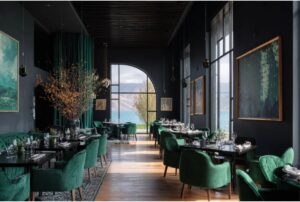
1. Nature-Inspired Dining (Biophilic Restaurant Design)
Biophilic design continues to thrive as diners seek calm, restorative environments. Because urban life is increasingly fast-paced and digital, restaurants that offer a sense of escape stand out.
In 2026, nature-inspired design goes beyond adding a few plants. Instead, it creates layered environments that reflect natural landscapes.
Common elements include:
-
Hanging greenery and living walls
-
Natural timber finishes
-
Earth-toned palettes (sage, clay, sand, olive)
-
Abundant daylight paired with soft lighting
-
Organic shapes and curved forms
These environments help reduce stress and encourage guests to linger longer. They are particularly effective for breakfast cafés, wellness-focused venues, and modern Café Interior Design projects where comfort and relaxation are key.
Biophilic interiors also support sustainability goals while enhancing brand perception, making them both emotionally appealing and commercially intelligent.
2. Immersive Themed Interiors
Themed dining is returning in a more refined, design-led form. Rather than theatrical décor, modern themes rely on storytelling through materials, lighting, and spatial experience.
Popular inspirations include:
-
Mediterranean and European café culture
-
Japanese minimalism and Nordic simplicity
-
Heritage London aesthetics
-
Art deco revivals
-
Cinematic or experiential concepts
The aim is not to overwhelm guests but to immerse them subtly. Texture, sound, scent, and lighting all contribute to the experience. When executed carefully, themed interiors create memorable destinations that encourage social sharing and repeat visits.
These immersive environments are particularly effective for late-evening venues, cocktail lounges, and hospitality brands working with specialist Bar Interior Designers who understand atmosphere, flow, and customer psychology.
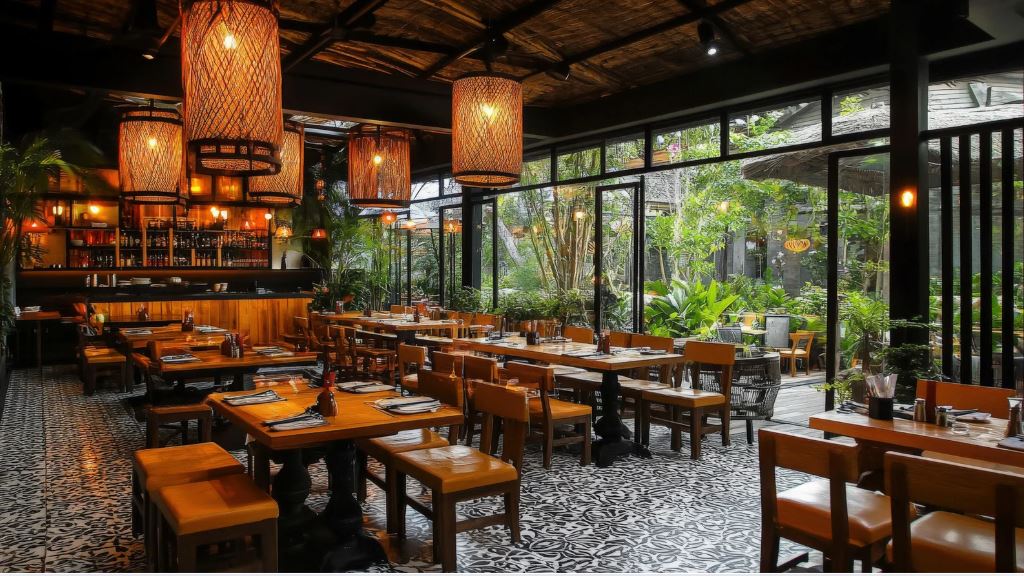
3. Minimalist Luxury for Fine Dining
Fine dining in London increasingly embraces minimalist luxury — where restraint meets refinement. Luxury in 2026 is defined by craftsmanship and proportion rather than excess.
Key features include:
-
Neutral, tonal palettes
-
Stone, marble, brass, and textured plaster
-
Clean architectural lines
-
Bespoke sculptural furniture
-
Curated artwork
-
Focused, atmospheric lighting
This approach allows the food to remain the star while the interior quietly enhances the dining journey. Minimalist luxury also photographs exceptionally well, supporting online presence and press coverage.
Many restaurants adopting this style rely heavily on thoughtful Interior Architecture, ensuring layouts, ceiling heights, and material transitions work harmoniously to create a refined spatial experience.
4. Open-Plan Kitchens & Chef Interaction Zones
Transparency is a major theme in modern hospitality. Diners now value authenticity and want visibility into food preparation.
As a result, open kitchens are increasingly popular. Typical features include:
-
Open or semi-open kitchens
-
Chef’s counters and tasting bars
-
Live cooking stations
-
Display wine storage
-
Visual connections between chefs and guests
These layouts add theatre and build trust. Moreover, they create emotional engagement while improving operational flow when designed correctly.
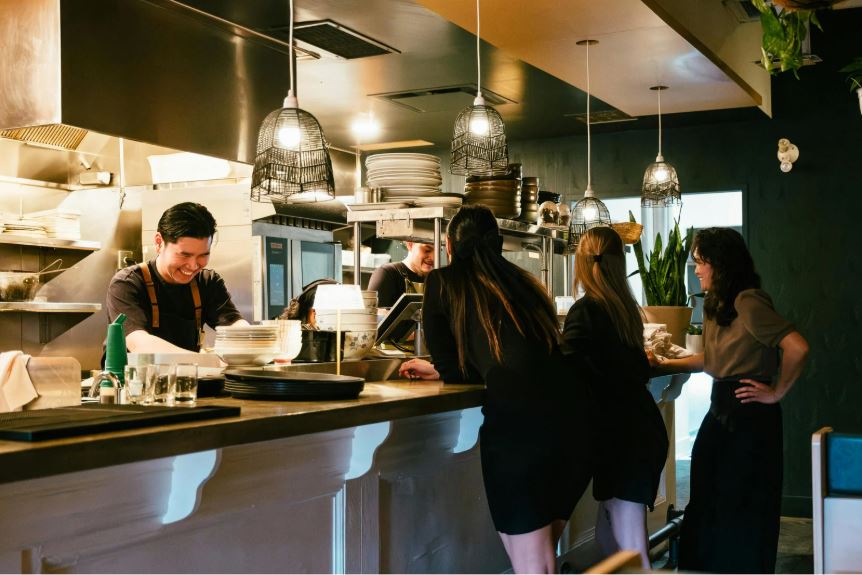
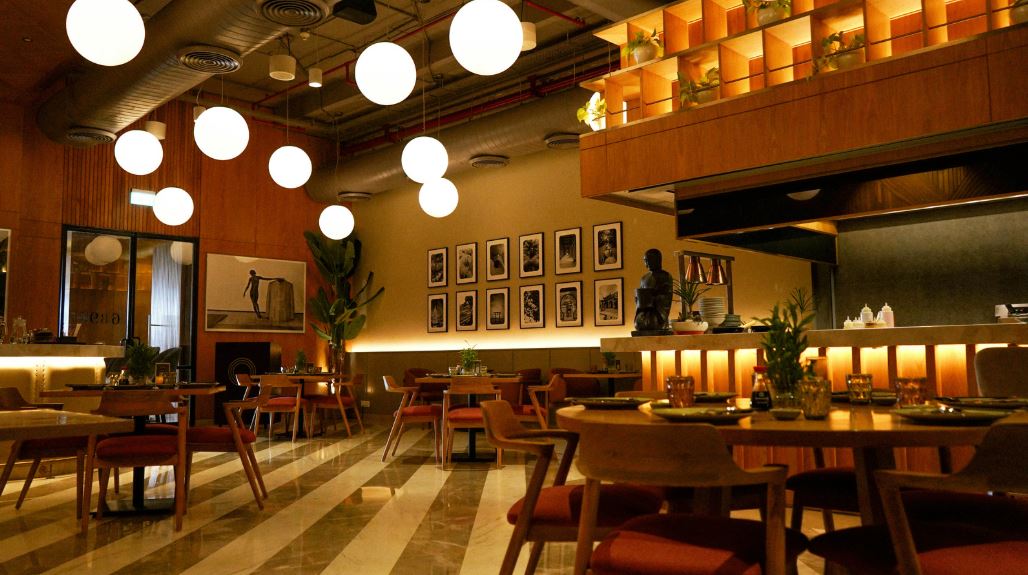
“A vibrant restaurant setting where open-kitchen dining and warm lighting create an engaging, social experience for guests.”
5. Hybrid Dining Spaces for Flexible Operations
Restaurants today must serve multiple functions throughout the day. Consequently, flexibility has become a design priority.
Hybrid spaces often include:
-
Modular furniture
-
Movable partitions
-
Convertible seating
-
Private dining pods
-
Café-to-evening transitions
-
Event-friendly layouts
This flexibility allows operators to host brunches, remote working, tastings, and private events within one footprint. Strategic space planning ensures these shifts feel seamless. In turn, this future-proofs the business and maximises revenue opportunities.
6. Bold Lighting as a Statement Feature
Lighting is now a defining design element rather than a background feature. In 2026, it shapes mood, directs movement, and enhances presentation.
Key trends include:
-
Sculptural pendants
-
Layered ambient, task, and accent lighting
-
Warm tones for intimacy
-
Integrated LED joinery lighting
-
Spotlighting for tables
Good lighting design affects comfort, ambience, and even how food appears in photos. Therefore, many restaurants invest in programmable systems that shift from day to night settings.
7. Sustainable & Locally Sourced Materials
Sustainability is no longer optional. Customers, investors, and authorities increasingly expect environmentally responsible choices.
Common approaches include:
-
Reclaimed timber
-
Low-VOC paints
-
Energy-efficient lighting
-
Recycled-material furniture
-
Locally sourced décor
-
Durable, long-life finishes
Sustainable interiors communicate transparency, responsibility, and brand integrity. They also reduce long-term operational costs while supporting local craftspeople and suppliers.
Careful Procurement ensures materials meet both aesthetic and environmental standards, allowing restaurants to align design quality with sustainability commitments.
Partner With a Leading Restaurant Interior Designer in London
Your restaurant interior is a powerful expression of your brand. From the moment guests enter, design shapes perception and expectation. In a competitive market like London, strong interiors are not a luxury — they are a necessity.
Professional design helps you:
-
Create memorable experiences
-
Improve operational efficiency
-
Strengthen brand identity
-
Increase dwell time and repeat visits
-
Stand out in a crowded market
The most successful restaurants balance creativity with commercial awareness, ensuring beauty and function work together.


