


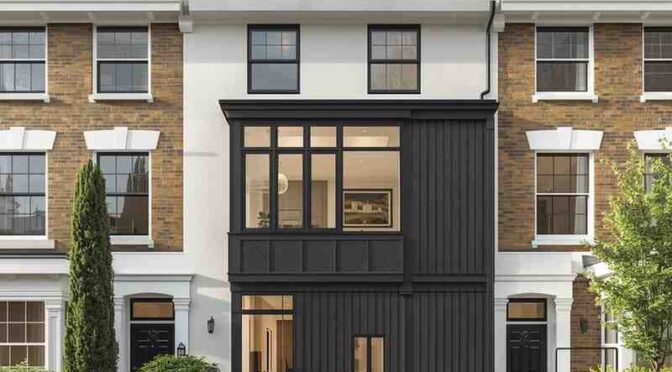
Renovating a property in London is one of the most rewarding investments a homeowner can make — but it can also be one of the most expensive. Rising construction costs, increasingly complex regulations, and the challenges of working with compact or period properties mean that renovations in the capital require a far more considered approach than elsewhere in the UK.
Without proper planning, even a modest renovation can quickly spiral beyond budget. However, the good news is that intelligent interior design can dramatically reduce unnecessary expenses while still delivering a high-quality, visually striking result. By combining strategic thinking with practical design decisions, homeowners can achieve beautiful transformations without financial strain.
At Oraanj Interiors, we take a holistic Design and Build London approach that focuses on efficiency, clarity, and long-term value — ensuring every pound spent contributes meaningfully to the finished home.
For professional renovation insight and tailored advice, explore our Interior Design Studio.
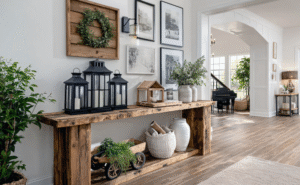
1. Smart Space Planning Prevents Costly Layout Mistakes
One of the most common — and expensive — renovation mistakes is starting work without a clearly defined layout. Space planning should always come before selecting finishes, fixtures, or furnishings.
Poor planning often leads to:
- Wasted or underutilised space
- Awkward room proportions
- Expensive last-minute structural changes
- Furniture that doesn’t fit the space
- Inefficient circulation and poor natural light
By prioritising intelligent space planning early on, homeowners can avoid unnecessary changes to plumbing, electrics, and load-bearing walls — all of which significantly increase costs.
Professional designers use principles of Interior Architecture to assess how each space functions, how people move through the home, and how natural light can be maximised. With a well-considered layout, the renovation process becomes smoother, faster, and far more cost-efficient.

2. Keep What Works — Upgrade Only What Matters
A successful renovation doesn’t always mean starting from scratch. In many London homes, especially period properties, the existing structure and features often have great value — both aesthetically and financially.
Instead of a full strip-out, a selective upgrade strategy allows homeowners to focus investment where it will make the most visual and functional impact.
Cost-saving upgrade options include:
- Respraying kitchen cabinets rather than replacing them
- Refinishing original timber flooring instead of installing new
- Updating worktops or splashbacks for a modern refresh
- Replacing outdated handles, taps, and ironmongery
- Repainting walls using high-quality, durable finishes
This approach preserves character while modernising the space, significantly reducing labour and material costs. Strategic upgrades guided by professional Interior Design Project Management ensure money is spent wisely and nothing unnecessary is removed or replaced.
3. Use Multi-Functional Design for Compact London Properties
Space is one of the most valuable commodities in London homes. From Victorian terraces to city-centre flats, square footage is often limited, making intelligent design essential.
Rather than extending or reconfiguring structurally, smart interior solutions can dramatically improve usability without increasing construction costs.
Effective strategies include:
- Built-in storage that maximises awkward corners
- Integrated cabinetry that blends seamlessly into walls
- Open-plan layouts where practical and appropriate
- Sliding or pocket doors to save floor space
- Furniture that incorporates hidden storage
High-quality Bespoke Joinery London solutions allow spaces to be tailored precisely to the property’s dimensions, reducing clutter and improving flow. When every element serves more than one purpose, the home feels larger, more organised, and more valuable — without additional square metres.
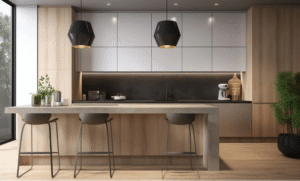
4. Invest in Energy-Efficient Upgrades to Save Long-Term Costs
A renovation is the perfect opportunity to future-proof your home. While some energy-efficient upgrades may require initial investment, they can significantly reduce running costs over time.
Energy-saving improvements commonly include:
- LED lighting upgrades throughout the home
- Improved insulation behind walls and ceilings
- Double or triple glazing for thermal efficiency
- Energy-efficient kitchen and laundry appliances
- Smart heating controls and thermostats
These upgrades reduce monthly energy bills while also improving comfort. Additionally, energy-efficient homes are increasingly attractive to buyers, making these improvements a smart long-term investment.
A knowledgeable Procurement Consultant can help source reliable, cost-effective energy solutions that deliver real savings without compromising quality.
5. Choose Materials That Balance Quality and Budget
One of the biggest misconceptions in renovation is that luxury design requires luxury materials everywhere. In reality, effective design is about knowing where to invest — and where to save.
Smart material selection involves mixing premium elements with budget-friendly alternatives.
For example:
- Using luxury tiles as small feature details
- Selecting durable yet affordable flooring in low-traffic areas
- Choosing laminate or composite worktops with a stone-like finish
- Installing ready-made cabinetry with upgraded hardware
- Combining statement lighting with simpler fittings elsewhere
This thoughtful balance creates a refined, high-end look while keeping overall costs under control. Designers also use Technical CAD Drawings to accurately plan layouts and material quantities, preventing over-ordering and costly waste.
6. Partner With a Design Studio for Expert Cost Control
Many homeowners assume that hiring a design studio will increase renovation costs — but in reality, professional guidance often saves money.
A design-led renovation process provides:
- Detailed drawings that reduce contractor errors
- Accurate specifications that prevent misunderstandings
- Better pricing through trusted supplier networks
- Clear budgeting and cost tracking
- Efficient coordination between trades
Working with professionals ensures that mistakes are avoided before they happen, rather than corrected after they become expensive problems. Custom solutions such as Custom Furniture Design also help maximise space efficiency and ensure furniture fits perfectly — eliminating the need for costly replacements later.

Final Thoughts
Renovating a home in London doesn’t have to mean runaway costs or constant compromises. With strategic planning, intelligent material choices, and expert design guidance, homeowners can achieve beautiful, functional spaces while keeping budgets firmly under control.
By focusing on smart layouts, selective upgrades, multi-functional design, and professional oversight, it is entirely possible to save thousands during a renovation — without sacrificing quality or style.
A thoughtful, design-led approach ensures your renovation is not only visually impressive but also financially sound, adding long-term value to your London home.


