


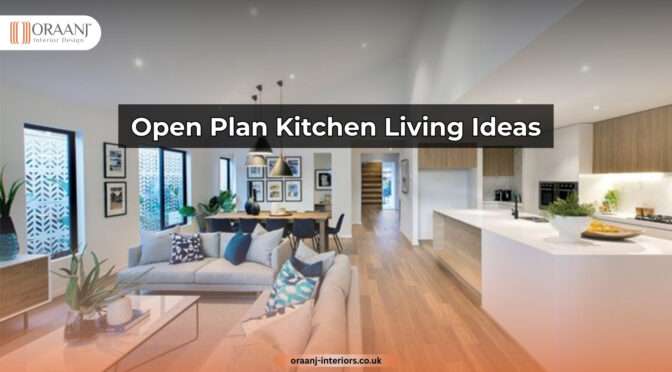
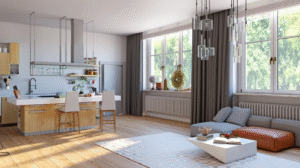
Open-plan kitchen living spaces now define many contemporary British homes. By combining cooking, dining, and relaxation in one environment, this layout supports modern lifestyles that value connection, flexibility, and natural light.
Whether you live in a townhouse, apartment, or family home, an open-plan design can completely improve how your space looks and functions.
At the heart of a successful open-plan layout is thoughtful Kitchen Interior Design, where aesthetics and practicality work together seamlessly. Just as in galley kitchens, careful planning is essential—Galley Kitchen Ideas: Smart, Stylish Solutions for Narrow and Practical Spaces demonstrate how even compact areas can feel efficient, functional, and inviting. When designed well, these spaces feel open rather than overwhelming, offering a sense of flow while still providing structure and purpose.
If you’re planning a new layout or refreshing an existing one, these ideas will help you maximise flow, function, and visual harmony.
1. Smart Zoning for Functionality
Clear zoning is essential in open-plan spaces. Even though the layout is open, it should still feel organised and intuitive.
Kitchen Zone
Place the kitchen where movement feels easy. Ensure quick access to appliances, worktops, and storage. Good circulation keeps cooking efficient, even in shared spaces.
Dining Area
Position the dining table or island between the kitchen and living space. This creates a natural transition and encourages social interaction.
Living Space
Use sofas, armchairs, or low shelving to define this area. These elements create comfort without closing off the space. Strong space planning keeps each zone purposeful.
Tip: Different flooring—like tiles in the kitchen and timber in the living area—helps define zones without clutter. Rugs work well, too.
2. Kitchen Islands: The Heart of the Space
In many homes, the island becomes the heart of daily life. It’s not just a work surface—it’s a gathering point.
A good island can provide:
• Breakfast bar seating
• Extra storage
• A workspace or homework zone
The island’s position and proportions should be carefully considered as part of the overall Interior Architecture, ensuring it complements the scale of the space rather than dominating it.
Tip: A contrasting colour or stone finish helps the island stand out while staying cohesive.
3. Cohesive Colour Schemes
Open spaces need colour continuity. Without walls, finishes must flow naturally.
Neutral Foundations
Soft whites, warm greys, and muted beiges keep spaces calm and bright.
Accent Colours
Introduce navy, forest green, or terracotta through cabinetry or décor.
Natural Textures
Wood, stone, and woven finishes add warmth and softness.
A well-considered palette is often supported by detailed Layout Plan & Elevations, allowing homeowners to visualise how colours, cabinetry, and finishes interact across the entire space.
Tip: Carry tones across cabinetry, furniture, and textiles for a unified look.
4. Seamless Storage Solutions
Open-plan living requires smart storage. Visible clutter quickly disrupts calm spaces.
Built-In Cabinetry
Integrated appliances and concealed pantries maintain clean lines.
Floating Shelves
These offer display space without heaviness.
Multi-Functional Furniture
Storage benches and extendable tables add flexibility.
Handleless units work especially well here.
Tip: Plan storage early to avoid adding bulky pieces later.
5. Lighting That Defines Zones
Lighting shapes both mood and function. Layered lighting also reinforces zoning.
Task Lighting
Use under-cabinet lights and spotlights for prep areas.
Feature Lighting
Pendant lights anchor islands and dining tables.
Ambient Lighting
Floor and table lamps soften living areas.
Thoughtful Lighting Design ensures each zone has the right balance of brightness and mood, adapting easily from daytime use to evening relaxation.
Tip: Smart lighting systems let you adjust tone and intensity easily.
6. Bi-Fold or Sliding Doors to the Garden
Connecting to the outdoors enhances openness.
More Natural Light
Large glass panels brighten interiors.
Indoor–Outdoor Living
Open doors extend the living area into the garden.
Clean Aesthetic
Slim frames suit modern interiors.
Incorporating these elements early in the design process allows them to be seamlessly integrated through 3D Render Services, helping clients visualise how indoor and outdoor spaces connect.
Tip: Underfloor heating near glazing improves year-round comfort.
7. Open Plan Layouts for Different Home Styles
Open layouts adapt to many styles:
Modern Minimalist
Clean lines and concealed storage create calm.
Scandinavian
Light woods and soft textiles add warmth.
Industrial
Metal finishes and exposed brick add character.
Country Chic
Shaker kitchens and pastel tones feel welcoming.
Ensuring these styles are executed cohesively often requires experienced Interior Design Project Management, coordinating layouts, finishes, and installations to achieve a polished final result.
Final Thoughts
A great open-plan kitchen living space balances beauty, comfort, and practicality. When planned well, it becomes the true heart of the home.
Good zoning, cohesive colours, smart storage, and layered lighting make all the difference.
If you want to transform your space, bespoke design support can help you achieve a layout that feels both functional and beautifully considered.


