


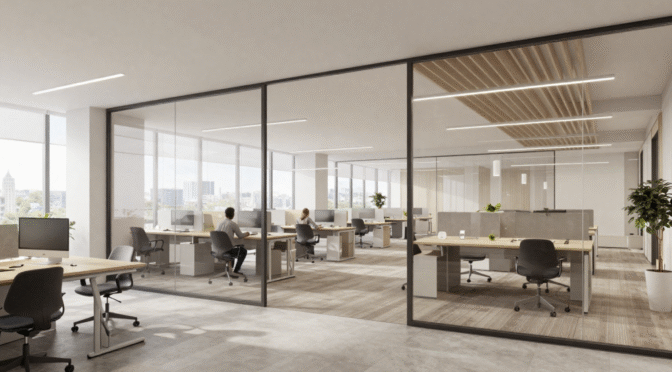
London’s tech sector is growing faster than ever, with startups, SaaS brands, fintech companies, AI developers, and digital agencies competing for top talent. In such a highly competitive environment, office design is no longer optional — it has become a strategic business investment. The modern IT workplace must do far more than simply house desks and computers. It must encourage innovation, support collaboration, enhance employee wellbeing, and represent the company’s values and technological mindset.
In 2026, tech companies are rethinking how their offices function. A successful workspace balances flexibility, performance, comfort, and strong visual identity while supporting fast-changing business needs. This shift clearly answers Why Every Office Needs Professional Interior Design in 2025? — because well-planned environments directly influence productivity, employee retention, brand perception, and long-term operational efficiency. Thoughtful Modern Office Design helps businesses stay agile, attract skilled professionals, and maintain productivity in a hybrid working culture.
If you are planning a new workspace or upgrading an existing one, here are the most effective modern IT office design ideas currently shaping London’s technology sector.
1. Flexible Work Zones for Hybrid Teams
Hybrid working has become deeply embedded within London’s tech ecosystem. Employees now expect freedom the ability to work from home, collaborate in the office, or switch between focused and social environments throughout the day. Because of this, rigid layouts are being replaced with flexible zoning strategies.
Modern IT offices are designed with clearly defined yet adaptable zones that support different working styles. These typically include focus areas, collaboration spaces, informal lounges, and meeting rooms that can transform based on daily needs.
Popular design elements include:
-
Modular desks that can be rearranged easily
-
Mobile partitions for privacy when required
-
Convertible meeting rooms that open into collaboration zones
-
Multi-functional breakout areas
-
Hot-desking options for rotating teams
This approach ensures the office remains efficient even when occupancy levels fluctuate. Flexible space planning also allows companies to scale without the disruption of constant redesigns, which is particularly valuable for fast-growing technology firms.
2. Tech-Integrated Workspaces
Technology is the backbone of every IT organisation, and the office environment must fully support it. A modern tech workplace integrates digital infrastructure seamlessly into the physical design, ensuring efficiency without visual clutter.
Today’s tech offices typically include:
-
Smart conference rooms with integrated screens and video systems
-
Wireless charging points built into desks and tables
-
Fully connected AV systems for presentations and remote collaboration
-
Automated room-booking systems
-
Secure, high-speed network connectivity
-
Touchless access systems and smart security controls
For London businesses managing multiple departments and international teams, seamless technology integration reduces downtime and improves daily workflow.
A professionally planned Commercial Office Design ensures that technology enhances the environment rather than dominating it, maintaining a clean, modern aesthetic while supporting complex operational needs
3. Creative Collaboration Hubs
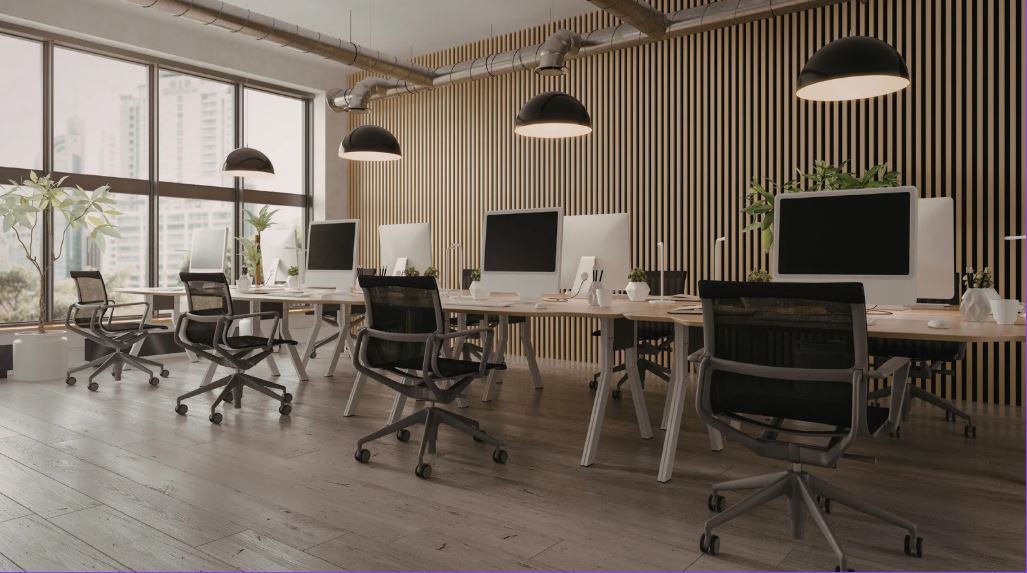
Innovation thrives when people can exchange ideas freely. For this reason, collaboration spaces are a defining feature of modern IT offices. These areas encourage spontaneous discussion, rapid problem-solving, and cross-team interaction all essential in software development and digital product environments.
Creative collaboration hubs often include:
-
Writable walls for brainstorming sessions
-
Informal discussion pods
-
Comfortable open lounges
-
Dedicated project “war rooms”
-
Stand-up meeting zones for agile teams
These spaces are intentionally designed to feel different from traditional workstations. Softer seating, warmer lighting, and relaxed layouts help teams feel comfortable sharing ideas. In London’s fast-paced tech culture, these hubs accelerate innovation while strengthening team communication.
4. Biophilic Design for Well-Being & Focus
Long hours in front of screens can lead to fatigue, reduced concentration, and stress. To combat this, many tech companies are embracing biophilic design an approach that reconnects people with nature within the built environment.
Biophilic elements are now considered essential rather than decorative, especially in high-performance IT offices.
Common features include:
-
Living green walls and indoor planting
-
Maximised access to natural daylight
-
Use of wood, stone, and organic textures
-
Earth-toned colour palettes
-
Calm breakout zones for mental reset
These design strategies have been proven to improve focus, reduce stress, and increase overall employee satisfaction. For companies operating in dense urban locations, biophilic interiors provide a welcome contrast to the city environment.
When applied thoughtfully within Office Design London, natural elements create healthier workspaces without compromising the clean, modern aesthetic tech brands value.
5. Sound-Controlled Focus Areas
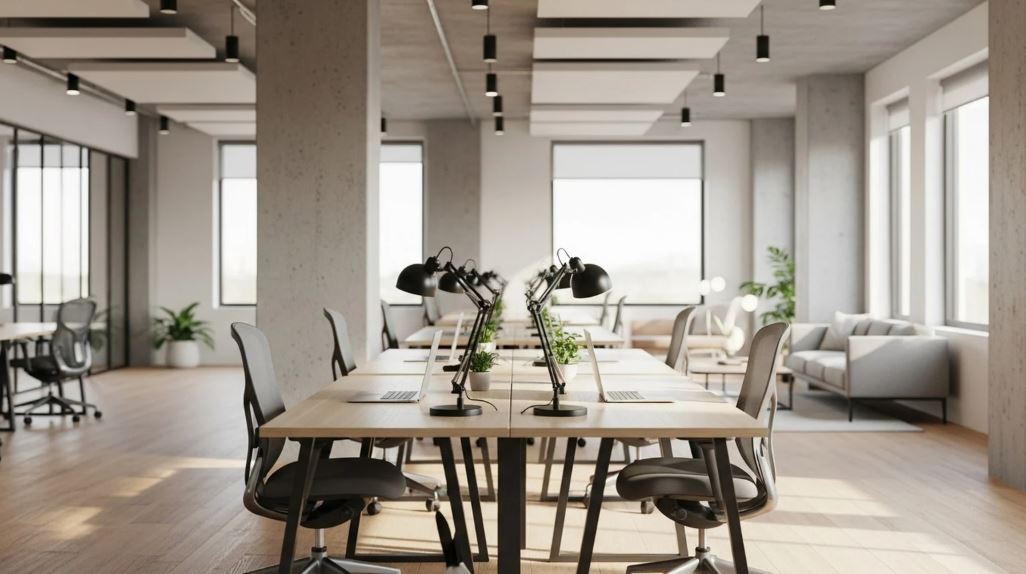
While collaboration is vital, IT work also demands deep concentration. Developers, engineers, and analysts often require quiet environments for coding, testing, and problem-solving. Without proper acoustic planning, open offices can quickly become counterproductive.
Modern tech offices now incorporate dedicated quiet zones supported by acoustic design strategies.
These typically include:
-
Soundproof focus pods
-
Acoustic wall and ceiling panels
-
Noise-absorbing carpets and finishes
-
Enclosed work booths
-
Private concentration rooms
By separating collaborative and silent zones, companies allow employees to choose the environment that best suits their task. This balance improves productivity and reduces frustration, particularly in large open-plan offices.
Effective acoustic planning must be integrated early in the design process to avoid costly adjustments later.
.
6. Future-Proof Office Furniture & Layouts
Technology businesses evolve rapidly, and office design must be able to keep pace. Future-proofing ensures the workplace remains functional as teams grow, departments change, or new technologies emerge.
Forward-thinking IT offices incorporate adaptable furniture and layouts such as:
-
Height-adjustable sit stand desks
-
Expandable workstation banks
-
Meeting rooms that can be resized with movable walls
-
Modular storage systems
-
Reconfigurable breakout zones
This flexibility allows businesses to adapt without extensive refurbishment, saving time and long-term costs. It also supports employee comfort by enabling ergonomic adjustments tailored to individual needs.
Successful future-proofing relies on detailed planning supported by Interior Design Project Management to ensure that functionality, timelines, and budgets remain aligned throughout the project.
7. Brand-Focused Design That Attracts Talent
In London’s competitive tech employment market, the office itself plays a powerful role in recruitment and retention. A well-designed workspace communicates company culture before a single word is spoken.
Brand-led office design goes beyond logos. It subtly reflects identity through colour, layout, materials, and storytelling elements.
This may include:
-
Company colours integrated in a refined way
-
Statement feature walls
-
Digital brand displays and screens
-
Bespoke signage and wayfinding
-
Décor reflecting company values or mission
For potential hires visiting the office, these details create a strong emotional connection. For existing employees, they reinforce belonging and pride in the workplace.
Lighting plays a key role in shaping brand atmosphere. Strategic Lighting Design can define zones, highlight features, and enhance mood, ensuring the office feels energising during the day and calm when focus is required.
Precision Planning Behind the Scenes
While design aesthetics are visible, much of a successful IT office lies beneath the surface. Accurate planning ensures smooth coordination between layout, technology, and building services.
Professional workplaces rely on detailed Technical CAD Drawings to map furniture layouts, circulation routes, data points, and compliance requirements. These drawings allow contractors, engineers, and project managers to work from a single coordinated plan, reducing errors and delays.
Equally important are M&E Electrical AutoCAD Drawings, which define lighting circuits, power distribution, server requirements, and specialist IT infrastructure. Proper documentation ensures the office functions safely, efficiently, and in line with UK building regulations.
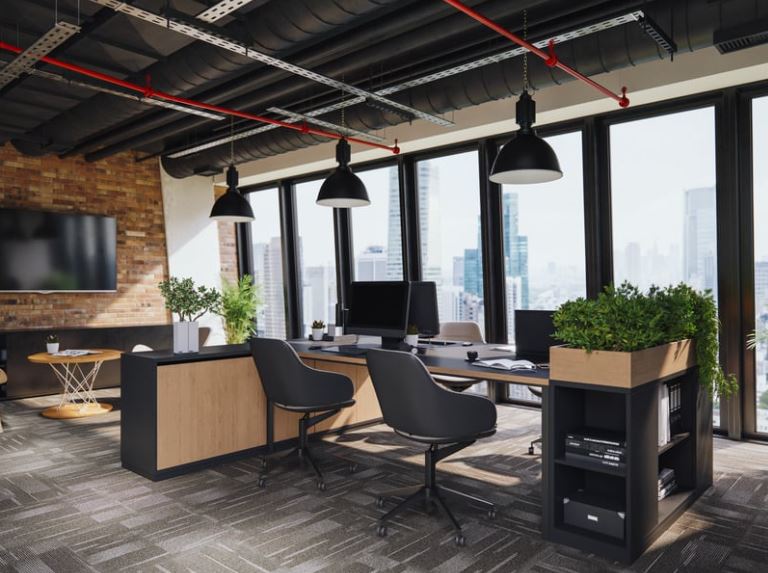
Transform Your IT Office with London’s Interior Design Experts
Designing a high-performance IT office requires a deep understanding of how modern tech teams operate, from agile workflows to data security and employee wellbeing. Every decision, from layout to lighting, impacts productivity and culture.
Our experienced design team specialises in creating future-ready workplaces tailored to the evolving needs of London’s technology sector. We combine strategic planning, technical expertise, and creative vision to deliver offices that support innovation, collaboration, and growth.
➡ View our Office Interior Design Portfolio
➡ Learn More About Our Design Studio
Whether you are a startup preparing for expansion or an established tech company redefining your workspace, the right office design can transform how your team works, connects, and performs — today and well into the future.


