


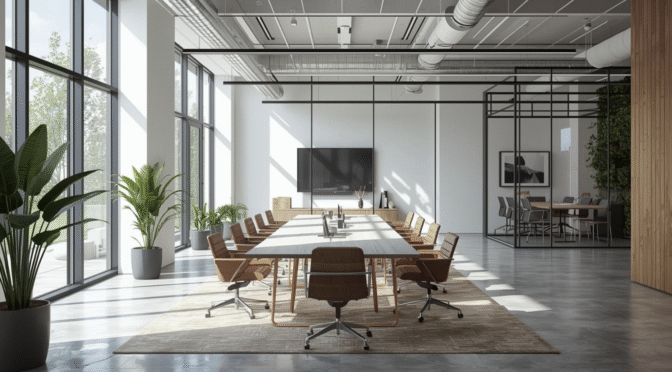
A well-designed office can significantly boost productivity, reinforce your brand identity, and improve employee satisfaction. In a city as competitive and fast-moving as London, the workplace has become far more than a functional necessity—it is a strategic asset. Businesses increasingly recognise that thoughtful Office Design London plays a direct role in attracting talent, supporting collaboration, and shaping how clients perceive the organisation.
If you are planning an office fit-out, understanding both cost expectations and design opportunities is essential. From spatial planning to technical coordination, every decision affects the final outcome. For many businesses, one of the first questions is How Much Does Office Design Cost? This guide explores realistic budget considerations and smart design recommendations to help you create a workspace that supports your team, reflects your values, and delivers long-term value through intelligent Commercial Office Design.
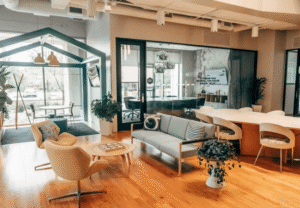
Understanding Office Fit-Out Costs in London
Office fit-out costs in London vary widely depending on a range of interconnected factors. No two projects are the same, and budgets are shaped by the level of intervention required, the quality of finishes, and the complexity of the building itself. Early clarity on costs helps avoid overruns and ensures design ambitions remain achievable.
Office Size & Layout
The size of the office is one of the most immediate cost drivers. Larger floorplates naturally require higher investment, not only in materials but also in labour, coordination, and time. Layout strategy also plays a key role.
Open-plan environments may appear cost-effective initially, but they often require additional planning for acoustic treatments, lighting zoning, power distribution, and flexible furniture solutions. Conversely, cellular layouts introduce costs associated with partitions, doors, and mechanical coordination but can offer long-term efficiency for focused work environments.
Fit-Out Categories
Understanding fit-out categories is essential when setting expectations and aligning scope with budget.
Category A Fit-Out
This level typically includes base finishes such as raised floors, suspended ceilings, basic lighting, and mechanical systems. Category A fit-outs provide a neutral shell suitable for occupation but lack brand identity or functional tailoring. Average costs range from £200–£400 per sq ft.
Category B Fit-Out
Category B involves full customisation of the interior space. This includes workstations, meeting rooms, partitions, branding elements, bespoke joinery, and furniture. It is at this stage that workplace culture, workflows, and aesthetics come to life. Costs generally range from £400–£700 per sq ft, depending on specification and complexity.
Materials & Finishes
Material selection has a significant impact on cost and longevity. High-quality finishes, bespoke joinery, and ergonomic furniture increase initial investment but often reduce maintenance costs and improve durability. Thoughtful material choices also enhance comfort and contribute to employee wellbeing, making them a worthwhile long-term consideration.
Location Impact
Office location within London can influence cost due to access constraints, delivery logistics, and labour rates. Central London sites often involve tighter working hours, restricted access, and higher contractor costs compared to suburban locations. These factors should be accounted for early in the budgeting process to avoid surprises during construction.
For real-life examples and inspiration, visit our Office Portfolio.

Design Recommendations for Modern Workspaces
A successful office fit-out balances aesthetics with performance. Smart design decisions ensure that the space not only looks professional but actively supports how people work, collaborate, and move throughout the day. A well-considered approach to Design and Build London integrates planning, construction, and interior detailing into a seamless process.
Maximise Functionality
Modern offices must support a variety of working styles. While open-plan areas encourage collaboration and transparency, they should be complemented by quieter zones for focused tasks and confidential conversations.
Incorporating meeting pods, breakout spaces, and informal collaboration areas allows teams to choose environments that suit their tasks. Integrated storage solutions reduce visual clutter, improve organisation, and help maintain a calm, professional atmosphere throughout the workplace.
Prioritise Employee Comfort
Employee wellbeing is directly linked to productivity and retention. Ergonomic considerations should never be treated as optional extras.
Adjustable desks, supportive seating, and well-positioned screens reduce physical strain and support healthier working habits. Lighting, ventilation, and acoustics also play a critical role in comfort. Adequate daylight, controlled glare, and balanced artificial lighting create environments where employees can focus without fatigue.
Reflect Your Brand Identity
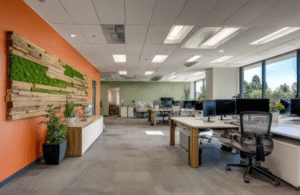
An office is a physical expression of your brand. Colour palettes, materials, artwork, and spatial hierarchy should all reinforce your company’s identity.
Reception areas, in particular, provide a first impression for clients and visitors. Custom wall finishes, subtle branding elements, and carefully curated feature areas can communicate professionalism and confidence without appearing overtly corporate. Consistent design language across the space strengthens brand recognition and cohesion.
Flexible Spaces
Workplace needs evolve. Designing flexibility into your office ensures it remains functional as teams grow or working patterns change.
Modular furniture, movable partitions, and adaptable meeting spaces allow layouts to shift without major refurbishment. Flexibility protects your investment and ensures the office can respond to future demands without disruption.
Working With an Interior Design Studio
Partnering with experienced professionals is one of the most effective ways to control costs, manage risk, and achieve a high-quality outcome. Leading Interior Design Firms London bring together creative vision, technical expertise, and practical delivery knowledge.
A structured design process allows budgets to be managed proactively rather than reactively. Designers work alongside a Procurement Consultant to source materials and furniture efficiently, balancing cost, quality, and lead times. This approach ensures that design intent is maintained without compromising financial control.
Equally important is strong Project Management. Coordinating contractors, consultants, and suppliers requires clear communication and detailed scheduling. Professional oversight ensures works are delivered on time, within budget, and to the expected standard.
Technical accuracy underpins every successful fit-out. Detailed M&E Electrical AutoCAD Drawings are essential for coordinating lighting, power, data, and mechanical systems. Accurate drawings reduce on-site conflicts, prevent costly rework, and ensure compliance with building regulations and safety standards.
Our team at Oraanj Interiors specialises in bespoke office fit-outs, delivering tailored solutions that balance design quality with commercial realities. From early concept through to final handover, we ensure every project is carefully planned and professionally executed.
Conclusion
Investing in a quality office fit-out in London is far more than a design decision—it is an investment in people, performance, and brand perception. A well-planned workspace supports productivity, enhances wellbeing, and positions your business for long-term success.
By understanding fit-out costs, setting realistic budgets, and applying smart design principles, organisations can create offices that are both inspiring and efficient. With the right professional guidance, it is possible to balance creativity with control, delivering spaces that grow alongside your business.
Explore our Office Portfolio for examples of successful projects and thoughtful design solutions that demonstrate how strategic office design can transform the way teams work and interact.


