


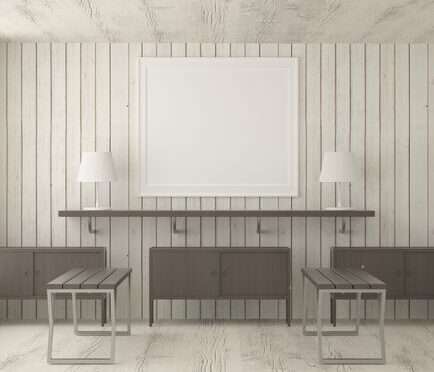
Tongue and groove remains a design classic because it offers far more than decoration alone. It adds structure, warmth, and craftsmanship—qualities that never fall out of style. As part of the broader conversation around Wall Panelling: Different Types to Elevate Your Interiors, tongue and groove stands out for its versatility, timeless appeal, and ability to adapt seamlessly across both contemporary and period homes.
When used thoughtfully, tongue and groove adds texture, depth, rhythm, and architectural interest to interiors that might otherwise feel flat or unfinished. From subtle wall detailing to striking ceiling treatments, it offers a timeless way to elevate everyday spaces.
At Oraanj Interiors, we believe great design lies in the balance between craftsmanship and modern living. Tongue and groove allows us to introduce structure and warmth while maintaining clean, refined aesthetics rooted in strong Interior Architecture principles.
Whether you’re refreshing a single room or undertaking a full renovation, here’s how to use tongue and groove effectively for a polished and enduring result.
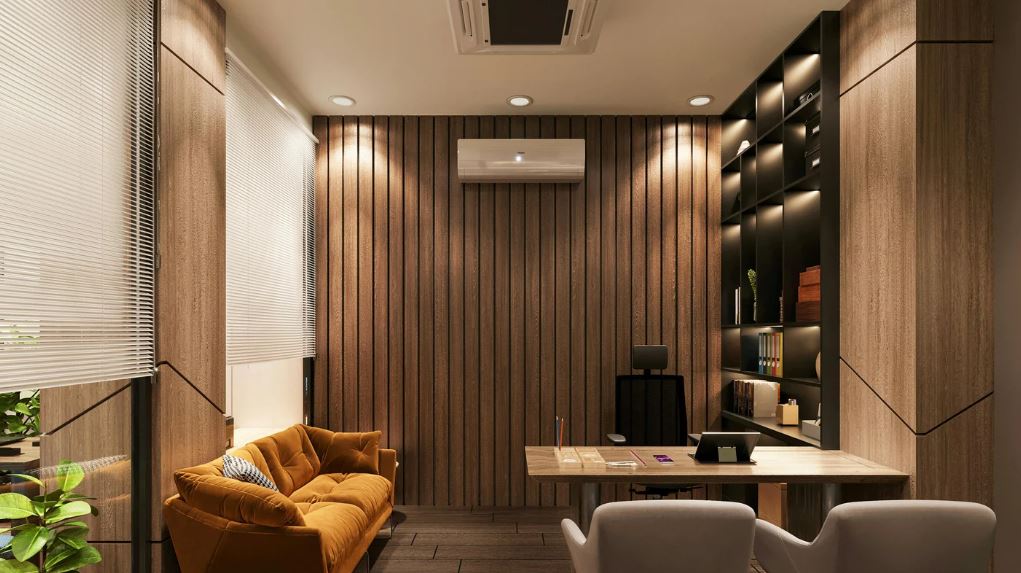
What Is Tongue and Groove?
Tongue and groove (often abbreviated as T&G) refers to a method of joining boards together using an interlocking system. Each board features a protruding “tongue” along one edge and a recessed “groove” along the other. When fitted together, they create a seamless, continuous surface with minimal visible joints.
Traditionally, this technique was used in flooring, wall linings, and ceilings for structural and insulation purposes. Today, it has become a decorative feature in its own right.
Modern tongue and groove panelling is available in a variety of materials, including solid timber, engineered wood, MDF, and moisture-resistant alternatives. Depending on the desired aesthetic, boards can be painted, stained, or left natural.
What makes tongue and groove so appealing is its ability to add architectural rhythm without overwhelming a space. It introduces order, symmetry, and tactile interest qualities that work beautifully across many interior styles.
Where Can You Use Tongue and Groove?
One of the greatest strengths of tongue and groove is its versatility. It can be applied in both subtle and statement-making ways throughout the home.
Below are the most popular and effective applications.
1. Feature Walls
Tongue and groove is ideal for creating feature walls that feel structured yet understated. Unlike wallpaper or bold paint colours, panelling adds interest through depth and shadow rather than colour alone.
Vertical panelling enhances ceiling height, making it perfect for compact rooms or properties with lower ceilings. Horizontal panelling, on the other hand, creates a relaxed and expansive feel often associated with coastal or country-inspired interiors.
Feature walls work particularly well behind beds, sofas, or dining areas, helping to anchor furniture layouts visually.
For homeowners seeking tailored detailing, Bespoke Joinery London services allow tongue and groove to be customised in spacing, proportions, and finishing ensuring the design complements the architecture rather than competing with it.
2. Bathrooms and Cloakrooms
Bathrooms and cloakrooms benefit greatly from tongue and groove panelling, as it introduces warmth into spaces often dominated by tiles and hard surfaces.
Half-height panelling with a dado rail is a classic solution that protects walls from moisture while maintaining visual elegance. It also allows you to experiment with contrasting finishes above such as paint, wallpaper, or textured plaster.
When correctly sealed and finished with moisture resistant paint, tongue and groove performs exceptionally well in humid environments.
In smaller cloakrooms especially, panelling provides instant character without overcrowding the space creating a refined yet inviting atmosphere.
3. Ceilings
Ceilings are frequently overlooked in interior design, yet they offer enormous potential for adding depth and charm. Tongue and groove ceilings create architectural interest that transforms the feel of a room entirely.
They work beautifully in:
-
Kitchens
-
Extensions
-
Loft conversions
-
Homes with pitched or vaulted ceilings
Painted in crisp white or soft neutral tones, ceiling panelling enhances light and creates subtle texture. For a more dramatic or rustic effect, natural or stained timber can be used to highlight craftsmanship.
Ceiling applications often require coordination with lighting layouts, which is where accurate Technical CAD Drawings ensure clean integration of spotlights, pendants, and ceiling features.
4. Hallways and Entryways
Hallways are transitional spaces that deserve just as much attention as main living areas. Tongue and groove panelling brings structure and polish to these high-traffic zones.
Installed at half height or three-quarter height, it protects walls from daily wear while providing visual continuity throughout the home.
Panelling in entryways pairs beautifully with:
-
Decorative hooks
-
Built-in benches
-
Statement mirrors
-
Feature lighting
When aligned correctly using professional Layout Plan & Elevations, tongue and groove can guide sightlines and enhance the sense of arrival as soon as you enter the home.
5. Kitchens and Utility Rooms
In kitchens, tongue and groove introduces softness and texture that balances sleek cabinetry and stone surfaces. It works particularly well on:
-
Kitchen islands
-
Cabinet end panels
-
Breakfast bar bases
-
Pantry doors
Vertical panelling draws the eye upward, making kitchens feel taller and more open. In shaker-style kitchens, tongue and groove complements the traditional framework beautifully.
In utility rooms and boot rooms, panelling helps create an organised, practical aesthetic especially when combined with integrated storage solutions and Custom Furniture Design tailored to daily routines.
Styling and Paint Tips
The success of tongue and groove lies not only in installation but also in styling and finish. Thoughtful choices elevate the look from decorative to truly design-led.
Consider the following tips:
-
Colour-matching panelling to surrounding walls creates a seamless, contemporary effect
-
Contrasting colours above panelling introduce traditional elegance
-
Matte or eggshell finishes offer a soft, refined appearance
-
Dark tones add drama and intimacy in larger rooms
-
Floor-to-ceiling applications suit Scandinavian and minimalist interiors
Consistency across adjoining rooms helps maintain flow, particularly in open-plan layouts.
Is Tongue and Groove Expensive?
Tongue and groove is available across a wide range of budgets. MDF options provide an affordable yet polished finish, while solid timber offers longevity and natural variation.
Cost depends on:
-
Material selection
-
Installation complexity
-
Custom detailing
-
Finishing and painting
When incorporated into a larger renovation, careful Interior Design Project Management ensures panelling aligns with timelines, budgets, and other trades avoiding costly rework or inconsistencies.
Despite its refined appearance, tongue and groove remains one of the most cost-effective ways to introduce architectural detail into a home.
The Importance of Quality Sourcing
The final appearance of tongue and groove depends heavily on material quality and installation accuracy. Poorly milled boards or inconsistent spacing can undermine the overall effect.
Working with trusted suppliers and managing finishes through professional Procurement ensures durability, consistency, and long-term performance, particularly in moisture-prone or high-traffic areas.
Quality sourcing also allows for colour consistency and smoother installation, resulting in crisp lines and a premium finish.
Final Thoughts
Tongue and groove remains a design classic because it offers far more than decoration alone. It adds structure, warmth, and craftsmanship qualities that never fall out of style.
Whether used subtly or as a statement, it enhances interiors by introducing texture, rhythm, and architectural identity. From bathrooms and hallways to ceilings and feature walls, tongue and groove adapts effortlessly to modern living.
At Oraanj Interiors, we specialise in integrating traditional detailing into contemporary homes with precision and purpose. From concept development to final installation, we ensure every line, panel, and finish contributes to a cohesive design story.
If you’re ready to give your walls or ceilings the attention they deserve, contact Oraanj Interiors today and begin your bespoke design journey with confidence and clarity.


