


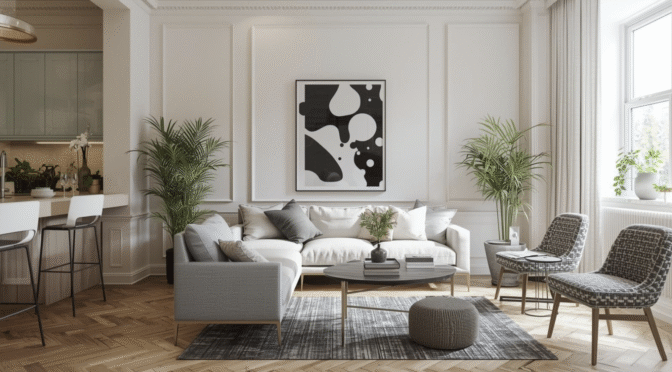
London is a city of enduring architecture, layered history, and richly varied residential styles. From elegant Victorian terraces and Edwardian townhouses to contemporary apartments and warehouse conversions, London homes possess a character rarely found elsewhere. Yet despite their charm, many properties face a shared challenge: how to balance refined design expectations with practical limitations such as compact layouts, ageing infrastructure, planning constraints, and rising energy costs.
In this context, eco-friendly interior design is no longer a passing trend or niche preference. It has become a thoughtful and responsible response to modern urban living. Homeowners are increasingly seeking interiors that feel calm, functional, and beautifully crafted while also reducing environmental impact and improving everyday comfort.
Sustainable interiors are not about compromise. Instead, they reflect intelligent design thinking—where aesthetic quality, material responsibility, and long-term performance work together seamlessly. This approach allows London homeowners to enjoy sophisticated living spaces that support wellbeing today while remaining adaptable for the future.
This guide explores sustainable design ideas specifically suited to modern London homes, offering practical, design-led strategies that remain timeless, elegant, and forward-looking.
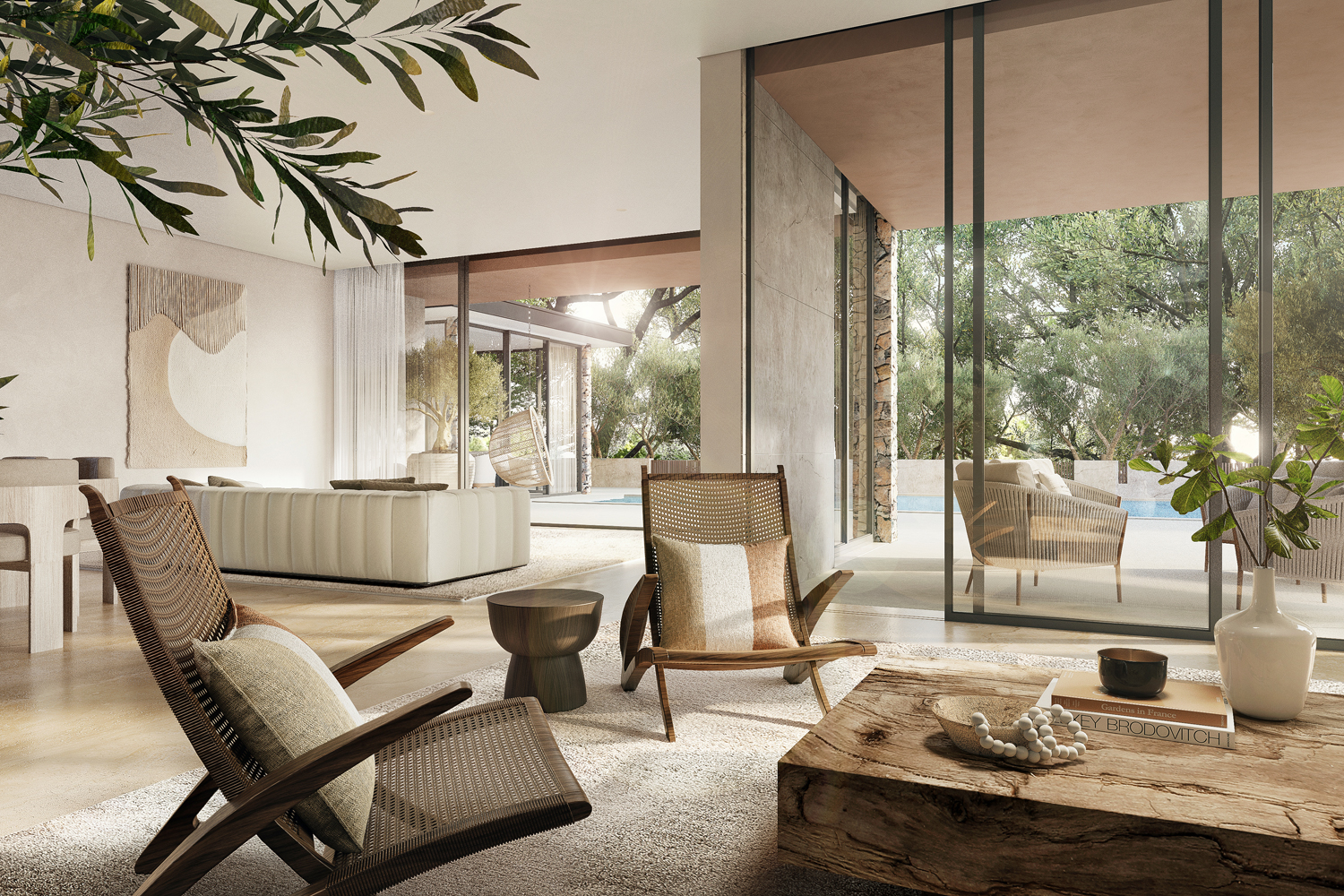
Sustainable Design Thinking for London Homes
Eco-friendly interior design begins long before materials are selected or finishes are chosen. It starts with understanding how a home is used on a daily basis. London living often demands flexibility: dining spaces that double as work areas, living rooms that adapt for entertaining, and bedrooms that support rest as well as storage.
A sustainable interior must respond intelligently to these realities. Thoughtful layout planning ensures that every square metre performs effectively, reducing the need for future structural changes or repeated refurbishments. In this way, good design becomes an environmentally responsible decision in itself.
At the heart of this approach lies Interior Architecture, which considers spatial flow, proportion, natural light, and circulation. When these fundamentals are carefully resolved, homes function better and age more gracefully, minimising waste over time.
Sustainable design thinking also prioritises adaptability. A well-designed London home should be capable of evolving as lifestyles change whether accommodating growing families, remote working, or later-life living without requiring major alterations.
This long-term mindset is especially important in London, where properties are often retained for decades. Interiors designed with flexibility and longevity in mind not only reduce environmental impact but also strengthen a home’s future value.
Planning an Eco Home Renovation London with Purpose
A successful eco renovation begins with clarity and restraint. Rather than removing everything and starting again, sustainable renovation asks a vital question: what can be retained, restored, or reimagined?
In London properties—particularly period homes—existing elements such as timber floors, fireplaces, cornicing, or original layouts often contribute greatly to character. Preserving and enhancing these features reduces waste while maintaining architectural integrity.
A purposeful renovation begins with detailed assessment. This includes understanding structural limitations, identifying areas of thermal inefficiency, and evaluating how spaces are currently underused. Only then can improvements be targeted effectively.
Clear planning also ensures smoother delivery. Defined stages, accurate scheduling, and careful coordination prevent unnecessary delays and excessive material ordering. When sustainability is embedded from the start, renovation becomes a controlled, thoughtful process rather than a disruptive one.
This structured approach is fundamental to Interior Design Project Management, where environmental responsibility is supported through precision, organisation, and accountability throughout the build.
Ultimately, purposeful planning allows homeowners to invest where it matters most—improving comfort, performance, and longevity without excess.
Material Choices That Support Green Interior Design
Material selection is where sustainability becomes tangible. The choices made at this stage directly influence environmental impact, indoor air quality, durability, and long-term maintenance.
Green interior design in London prioritises materials that are responsibly sourced, built to last, and suitable for urban living conditions.
1. Durable and Low-Impact Flooring
Floor finishes must withstand high foot traffic while maintaining visual quality. Carefully selected Flooring Options such, such as certified timber, reclaimed boards, natural linoleum, or high-quality engineered products, provide durability without high environmental cost.
Longevity is key. A floor that lasts decades is far more sustainable than one requiring frequent replacement.
2. Low-Toxic Finishes
Indoor air quality is particularly important in London homes, where ventilation can be limited. Low-VOC paints, natural oils, and non-toxic sealants help create healthier interiors, supporting wellbeing without sacrificing aesthetic control.
3. Reclaimed and Upcycled Furniture
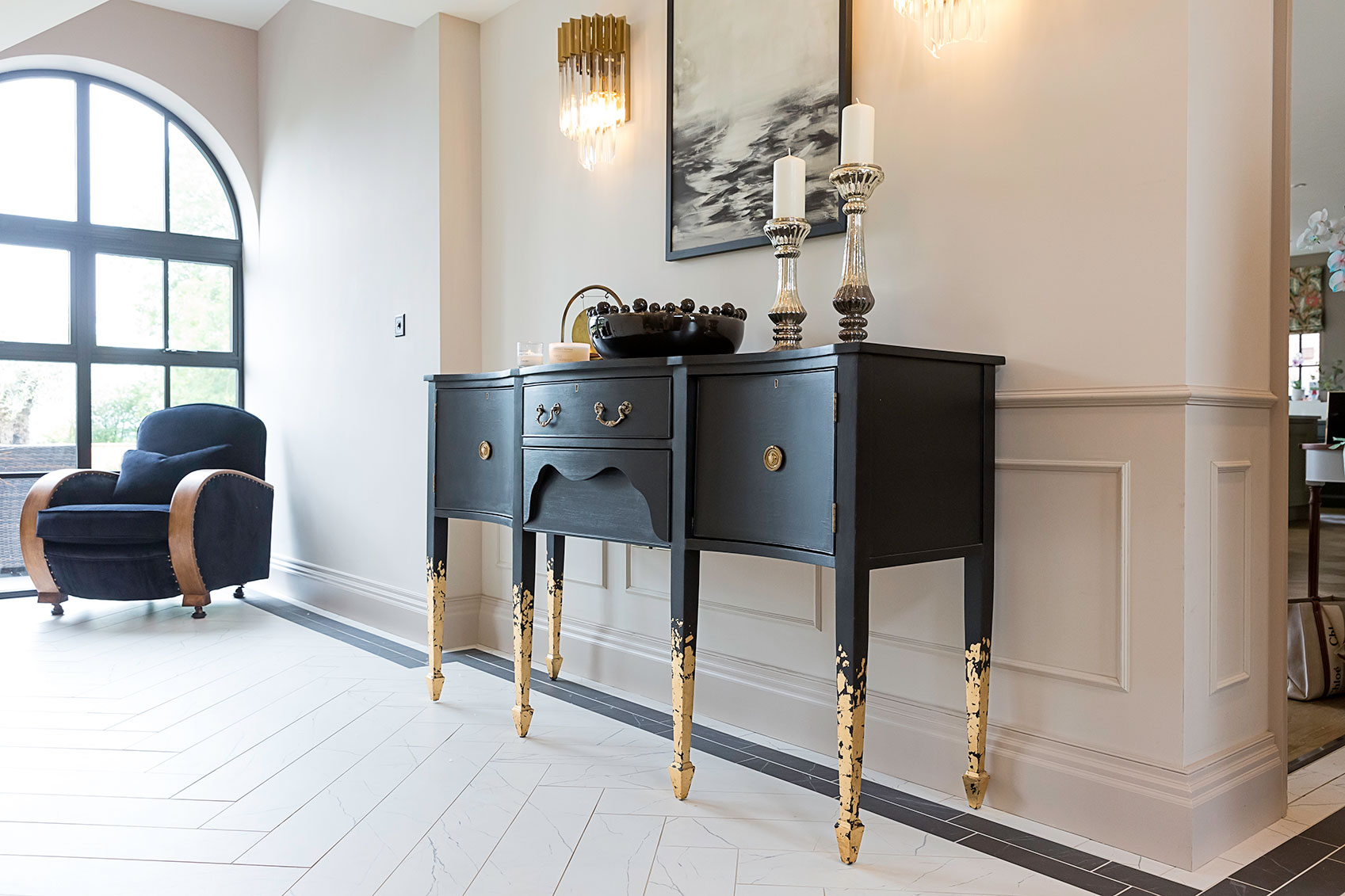
Reclaimed furniture and vintage pieces introduce warmth, authenticity, and individuality. These elements reduce demand for new manufacturing while adding depth that cannot be replicated with mass-produced items.
When curated carefully, reused materials elevate the design rather than detract from it, reinforcing sustainability through character and craftsmanship.
Energy Efficient Home Design London: The Interior Role
Energy efficiency is often associated with insulation upgrades or mechanical systems, yet interior design plays a vital role in everyday energy performance. The way spaces are organised, furnished, and finished directly affects how heat, light, and airflow behave within the home. Biophilic Design: Bringing Nature into Modern Interiors supports this by encouraging stronger connections to daylight, natural materials, and organic forms, which can improve wellbeing while reducing reliance on artificial lighting and climate control.
The way spaces are organised, furnished, and finished directly affects how heat, light, and airflow behave within the home. Thoughtful interior decisions can significantly reduce energy demand without compromising comfort.
A design-led energy strategy may include:
-
Maximising daylight through improved layouts and internal glazing
-
Using reflective finishes to enhance natural brightness
-
Introducing layered lighting schemes to minimise unnecessary usage
-
Designing window treatments that support thermal regulation
-
Selecting energy-efficient appliances that integrate seamlessly with interiors
Interior design also influences behaviour. Well-lit, comfortable spaces encourage reduced reliance on artificial heating and lighting, subtly lowering consumption over time.
This integrated approach aligns particularly well with Design and Build London, where architectural upgrades and interior strategies are coordinated to achieve holistic performance improvements.
The result is a home that feels naturally comfortable throughout the seasons—bright in winter, calm in summer, and efficient all year round.
Execution: Sustainable Interior Design Delivered with Precision
Sustainability is not achieved through intention alone. It depends on disciplined execution and consistent attention to detail.
From drawings to installation, every stage must be aligned with the original design vision. Accurate specifications prevent substitutions, reduce waste, and ensure materials perform as intended.
Clear documentation is essential at this stage, particularly through Technical CAD Drawings, which provide precise guidance for contractors and trades. Accurate drawings minimise errors, avoid unnecessary rework, and support efficient construction.
Equally important is responsible sourcing. Carefully managed Procurement Services ensure materials are ordered correctly, delivered efficiently, and selected according to sustainability criteria rather than convenience.
Waste reduction during construction is one of the most overlooked sustainability opportunities. Through careful measurement, sequencing, and coordination, unnecessary offcuts and surplus materials can be significantly reduced.
A well-executed interior does more than look beautiful—it lasts longer, performs better, and avoids the environmental cost of premature replacement.
Creating Timeless Interiors That Last
Perhaps the most powerful sustainability strategy is timeless design. Trends change rapidly, but homes designed with restraint and clarity remain relevant for decades.
Timeless interiors are defined not by fashion but by balance, proportion, and craftsmanship. They rely on:
-
Calm, neutral palettes
-
Layered textures rather than bold statements
-
Quality joinery and bespoke detailing
-
Flexible layouts that adapt over time
This approach supports long-term satisfaction. When homeowners continue to love their interiors, they are far less likely to renovate unnecessarily.
Modern technology can support this longevity through Virtual Design Services, allowing clients to visualise spaces accurately before construction begins. By refining layouts and finishes digitally, design decisions become more confident, reducing costly and wasteful changes later.
A timeless home evolves gently rather than being reinvented repeatedly—a principle at the heart of sustainable living.
Conclusion: Expert Sustainable Design for London Homes
Eco-friendly interior design is not defined by a single product or finish. It is a disciplined process that combines strategic planning, responsible material choices, and precise execution.
In London—where properties are shaped by history, density, and long-term ownership—sustainability must be intelligent, subtle, and design-led. The most successful interiors are those that feel effortless while quietly performing better behind the scenes.
By embedding sustainable thinking into every stage—from spatial planning and renovation strategy to materials, energy use, and detailing—homes become healthier, more efficient, and more enduring.
If you are considering an eco-focused renovation or wish to improve your home’s performance without compromising design quality, a professional, structured approach is essential. Thoughtful interiors not only reduce environmental impact but also enhance daily living.
Well-designed sustainable homes are not just better for the planet—they are calmer, more comfortable, and built to stand the test of time.


