


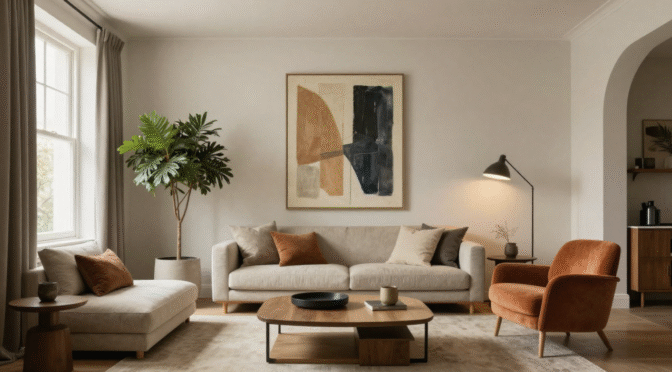
London homes are entering a refined new chapter in 2026, shaped by changing lifestyles, evolving technology, and a growing desire for comfort-led luxury. As the capital continues to blend heritage architecture with contemporary living, interior design is becoming increasingly thoughtful, layered, and personal. Homeowners are no longer focused solely on aesthetics; functionality, emotional well-being, and long-term value now play an equally important role.
Across apartments, period townhouses, and modern developments, Londoners are reimagining how their interiors support everyday life. From calming colour palettes to intelligent layouts and bespoke detailing, design decisions are more intentional than ever before. With expert guidance from Interior Design in London, homeowners are finding new ways to transform their spaces without losing character or practicality.
Whether you are planning a full refurbishment or a subtle refresh, understanding the leading trends can help you make confident, future-proof choices. Many of the ideas shaping London homes today build on insights explored in The Complete Guide to Interior Design Trends for 2025, reflecting a continued shift toward comfort-led luxury, intelligent layouts, and personalised design. Below, we explore the top interior design trends shaping London homes in 2026.
If you’re unsure how to select the best professional for your project, explore our detailed guide:
How to Choose the Right Luxury Interior Designer in London.
1 . Luxurious Minimalism with Warm Tones
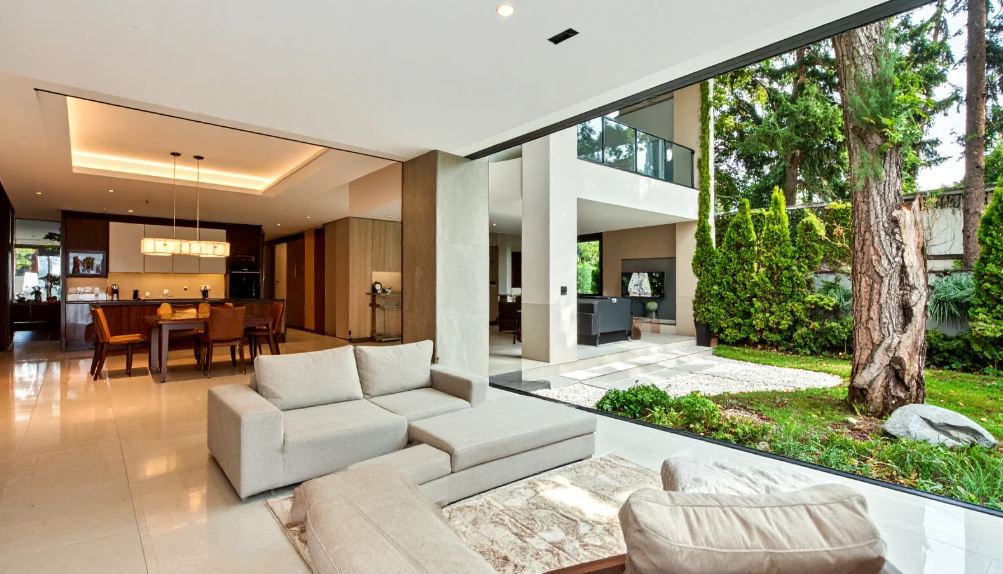
Minimalism continues to dominate London interiors in 2026, but its character has softened significantly. Rather than stark white rooms and clinical finishes, today’s minimalism feels inviting, tactile, and emotionally warm. This shift reflects a growing preference for homes that feel calm and restorative rather than purely visual statements.
Warm-toned minimalism focuses on subtle layering rather than emptiness. Neutral palettes are enriched with texture, allowing spaces to feel refined yet lived-in. Natural materials are favoured for their authenticity and longevity, giving interiors depth without clutter.
Expect to see:
-
Stone and wooden accents
-
Minimal yet statement lighting
-
Creams, taupes, and warm greys
-
Subtle gold or matte black trims
Soft curves are replacing sharp edges, particularly in furniture profiles, archways, and joinery details. Rounded sofas, curved kitchen islands, and gentle wall panelling help create a sense of flow throughout the home.
This approach allows London homeowners to enjoy understated luxury while maintaining a peaceful environment suited to both entertaining and everyday living.
2 . Smart Homes with Hidden Tech
Technology is now an essential component of modern living, but in 2026, the focus is firmly on discretion. Rather than dominating interiors, smart systems are carefully concealed to preserve clean design lines and architectural harmony.
Homeowners are investing in seamless technology that enhances comfort without visual distraction. This approach is especially popular in contemporary London apartments and newly refurbished period properties.
Key features include:
-
Invisible speakers integrated into ceilings or walls
-
Touch-free lighting systems
-
Smart glass windows that adjust transparency
-
Fully integrated home automation systems
From climate control to security and entertainment, everything can be managed effortlessly through a single interface. Importantly, these systems are planned early within the design process, ensuring wiring, placement, and finishes remain invisible.
The result is a sophisticated living environment where technology supports lifestyle rather than competing with it.
3 . Biophilic Design & Natural Materials
As urban life grows increasingly fast-paced, London homeowners are turning to nature-inspired interiors to restore balance. Biophilic design continues to be one of the most influential trends in 2026, encouraging a deeper connection between indoor spaces and the natural world.
This design approach goes far beyond adding houseplants. It focuses on material choice, light flow, and organic forms that mirror outdoor environments.
Popular elements include:
-
Indoor greenery and living walls
-
Natural woods such as oak and walnut
-
Stone countertops and textured finishes
-
Earthy palettes including olive, sage, and terracotta
Large windows are left unobstructed to maximise daylight, while layered textures replicate the richness found in nature. Even in compact London homes, thoughtful biophilic elements can significantly improve wellbeing and comfort.
These interiors feel calm, grounded, and timeless—perfect for creating a retreat from city life.
4 . Space-Optimised Design for Compact London Homes
With property sizes in London remaining limited, intelligent space planning is more important than ever. In 2026, design solutions focus on adaptability, flexibility, and seamless storage.
Rather than filling rooms with furniture, designers are prioritising multifunctional layouts that evolve throughout the day. Living areas may transform into workspaces, while bedrooms incorporate discreet storage without visual heaviness.
Key design solutions include:
-
Multi-functional furniture
-
Hidden and integrated storage
-
Built-in cabinetry
-
Vertical space utilisation
-
Sliding or pocket partitions
Every design decision is made with efficiency in mind, ensuring no area is underused. Custom joinery plays a major role, allowing storage to blend effortlessly with architectural features.
5 . Bold Accent Pieces & Statement Art
While many London interiors remain neutral at their core, 2026 welcomes expressive focal points that add individuality and depth. Homeowners are increasingly confident in introducing statement elements that reflect personality and taste.
Rather than overwhelming a space, these features are used selectively to create visual interest.
Common choices include:
-
Oversized artwork
-
Sculptural lighting installations
-
Distinctive furniture silhouettes
Art is no longer treated as an afterthought. Carefully curated pieces become central to the design narrative, influencing colour balance, layout, and mood. This approach is often guided by an experienced Interior Decorator in London, ensuring bold elements complement rather than dominate the space.
The result is a home that feels curated, personal, and memorable.
6 . Bespoke Luxury Interiors
Personalisation defines luxury in 2026. London homeowners are increasingly moving away from off-the-shelf solutions in favour of interiors that reflect their lifestyle, habits, and aesthetic preferences.
Bespoke design allows each space to be tailored precisely to its purpose, whether that’s a custom walk-in wardrobe, a fitted media wall, or handcrafted kitchen joinery.
This trend commonly includes:
-
Custom cabinetry designed to exact dimensions
-
Tailored lighting schemes
-
Handcrafted furniture pieces
-
Carefully curated material palettes
Working with an experienced Interior Design Studio London ensures every detail is cohesive—from initial concept to final styling. Bespoke interiors also add long-term value, as they are built for durability rather than trends alone.
Luxury in 2025 is defined not by excess, but by precision, craftsmanship, and thoughtful design.
7 . Sustainable & Ethical Design Choices
Sustainability is now a core consideration rather than a passing trend. London homeowners are increasingly conscious of how their design decisions impact the environment, leading to a rise in ethical and responsible interiors.
Designers are prioritising longevity over short-term fashion, selecting materials that age beautifully and reduce waste.
Key sustainable choices include:
-
Eco-friendly and low-VOC materials
-
Recycled or upcycled furniture
-
Energy-efficient appliances and lighting
-
Ethically sourced finishes
This approach not only benefits the environment but also creates healthier living spaces. Improved air quality, natural materials, and energy efficiency contribute to both comfort and cost savings over time.
Sustainable lighting design proves that responsible choices can still feel elegant, refined, and luxurious.
8 . Layered Lighting for Ambience & Function
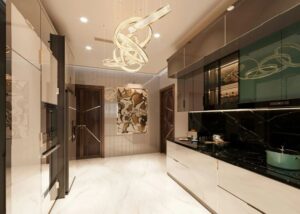
Lighting has become one of the most transformative elements of interior design in 2026. Rather than relying on a single central fixture, homes now use layered lighting schemes to enhance both atmosphere and usability.
Effective lighting design combines three key layers:
-
Ambient lighting for overall illumination
-
Task lighting for functional areas such as kitchens and reading zones
-
Accent lighting to highlight artwork and architectural features
Dimmable systems allow spaces to shift mood throughout the day, creating a warm, hotel-style ambience in the evening while remaining practical during daytime hours.
This level of detail is often guided through professional Colour Consultation, ensuring light temperature complements wall finishes, furnishings, and natural daylight.
Final Thoughts
Interior design trends shaping London homes in 2026 reflect a deeper understanding of how people truly live. Homes are becoming calmer, smarter, and more meaningful designed not only to look beautiful but to support wellbeing and daily routines.
From warm minimalism and biophilic materials to intelligent layouts and personalised detailing, each trend encourages intentional living. Thoughtful Furniture Selections, strategic Mood Board Design, and curated Artwork & Accessorising ensure every interior feels cohesive from concept to completion.
Whether you are updating a single room or embarking on a full home transformation, embracing these trends can help you create a timeless, functional, and elegant living environment perfectly suited to modern London life.


