


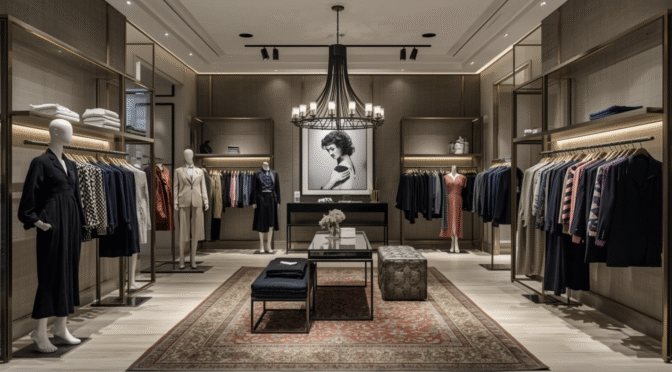
In a competitive city like London, where retail trends evolve rapidly and customer expectations are higher than ever, store design plays a decisive role in driving sales. With rising rental costs and limited floor areas, retailers cannot afford inefficient layouts or uninspiring interiors. Every square metre must work harder — not only to display products but to guide customer behaviour, encourage engagement, and ultimately increase conversions.
A well-considered retail interior is not just about visual appeal; it is about strategy, psychology, and performance. Thoughtfully designed spaces improve dwell time, enhance product visibility, and create emotional connections with customers. From independent boutiques to premium lifestyle brands, investing in strong Interior Architecture ensures that your store layout supports both brand identity and commercial goals.
Below is a complete guide on how retail interior design in London can help you create a store layout that performs, converts, and elevates your brand in an increasingly competitive market.
1. Understand the Customer Journey
Every successful retail store begins with a deep understanding of how customers move through the space. From the moment they step inside, the layout should subtly guide their journey, influencing how long they stay, where they pause, and which products capture their attention.
Key elements include:
- A welcoming, clutter-free entrance that immediately sets the tone
- A decompression zone that allows customers to mentally transition from outside to inside
- Planned pathways that encourage exploration rather than rushed movement
- Strategic hotspots that highlight seasonal collections, new arrivals, or promotions
When the customer journey is clearly mapped, the store feels intuitive rather than overwhelming. This is where professional Space Planning becomes invaluable. By analysing footfall patterns and behavioural triggers, designers ensure customers naturally circulate through high-value areas instead of bypassing them.
A purposeful flow not only improves the shopping experience but also increases exposure to more products, directly influencing purchasing decisions.
2. Use Visual Merchandising to Boost Sales
Visual merchandising is one of the most powerful tools in retail design. It determines how products are perceived, how collections are understood, and how customers emotionally connect with your brand.
Effective visual merchandising methods include:
- Eye-level displays for best-selling or high-margin products
- Thematic groupings that tell a story rather than presenting isolated items
- End-of-aisle or feature displays designed to encourage impulse purchases
- Clean, balanced shelving that avoids visual clutter
A strong merchandising strategy transforms your store into a curated experience rather than a simple retail outlet. When displays are intentional and aligned with your brand values, customers are more likely to trust the quality of your offering and spend more time engaging with products.
Visual merchandising works best when it is integrated into the design process early, supported by clear Layout Plan & Elevations that guide fixture placement, display heights, and sightlines throughout the store.
3. Lighting Design That Enhances the Customer Experience
Lighting is one of the most influential yet often underestimated elements of retail design. It directly affects mood, perception, and purchasing behaviour. Poor lighting can make even premium products appear unappealing, while well-considered lighting can elevate value instantly.
Key lighting strategies include:
- Accent lighting to draw attention to hero products or feature displays
- Warm ambient lighting to create a welcoming and comfortable environment
- Task lighting for functional areas such as fitting rooms or service counters
- Focused display lighting for jewellery, fashion, or high-end items
Professional Lighting Design ensures the correct balance between atmosphere and functionality. In London’s varied retail environments — from heritage buildings to modern units — lighting must also respond to architectural constraints and natural light conditions.
When lighting is layered and thoughtfully planned, it enhances product appeal, improves customer comfort, and subtly encourages longer dwell times.
4. Smart Space Planning for London’s Compact Stores
Most retail spaces in London face the challenge of limited square footage. Narrow floorplates, low ceilings, and irregular layouts are common, making efficient use of space essential.
Top strategies include:
- Modular furniture that adapts to seasonal collections or promotions
- Clear, generous walkways that prevent congestion during peak hours
- Vertical displays that maximise wall height without overwhelming the space
- Mirrors to visually expand smaller areas
- Integrated storage solutions that keep excess stock hidden
Smart layouts ensure that even compact stores feel open, organised, and easy to navigate. Every design decision should aim to reduce friction in the shopping experience while maximising product exposure.
When paired with accurate Technical CAD Drawings, these strategies allow retailers to test layouts before implementation, minimising costly errors and ensuring the space performs exactly as intended.
5. Strengthen Your Brand Through Design
Your retail interior is a physical extension of your brand identity. In a city as saturated as London, design-led branding helps your store stand out and remain memorable long after customers leave. This is the core idea behind Designing Retail Spaces That Captivate: A Guide to Stunning Interiors — creating environments that don’t just display products, but emotionally engage customers and leave a lasting impression.
Brand-driven design elements include:
- Signature colours and material palettes
- Bespoke fixtures that reflect brand personality
- Thoughtfully designed signage and graphics
- Curated artwork and décor aligned with brand values
- Consistent styling across all displays
When customers instantly recognise your brand through the interior, trust and loyalty grow. A cohesive environment communicates professionalism, quality, and attention to detail.
Strong branding also supports storytelling — allowing customers to understand who you are, what you stand for, and why your products are worth investing in.
6. Integrate Retail Technology for a Modern Shopping Experience
London shoppers expect a seamless and tech-enabled retail experience. When integrated properly, technology can increase engagement and streamline the buying process.
Options include:
- Digital screens for style inspiration or product info
- QR codes for browsing sizes or variations
- Smart mirrors in changing rooms
- Self-checkout points
- RFID-enabled product tracking
Tech elevates both convenience and customer satisfaction.
7. Create a Future-Proof Store Layout
Retail trends change quickly, and store interiors must be able to evolve without requiring constant refurbishment. A future-proof layout allows you to adapt displays, layouts, and branding with minimal disruption.
Flexible design solutions include:
- Movable wall systems for reconfiguring zones
- Interchangeable display units
- Modular shelving and hanging systems
- Adjustable lighting tracks
- Dedicated zones for seasonal campaigns
Adaptability ensures your store remains relevant throughout the year and can respond to changing collections, trends, and customer behaviour.
Future-proofing also protects your investment, allowing updates without full-scale redesigns or closures.
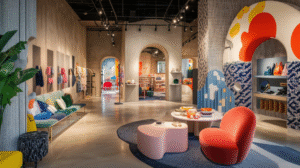
Transform Your Store with Expert Retail Interior Design in London
A successful retail interior does far more than look stylish. It supports your brand identity, enhances customer experience, and drives measurable sales growth. From strategic layouts to immersive lighting and flexible design systems, every element must work together seamlessly.
By partnering with professionals who understand both design and retail performance — including sourcing support through Procurement Services — you can create a store environment that is not only visually compelling but commercially effective.
In a fast-moving city like London, thoughtful retail interior design is no longer optional — it is essential for staying competitive, relevant, and profitable.


