



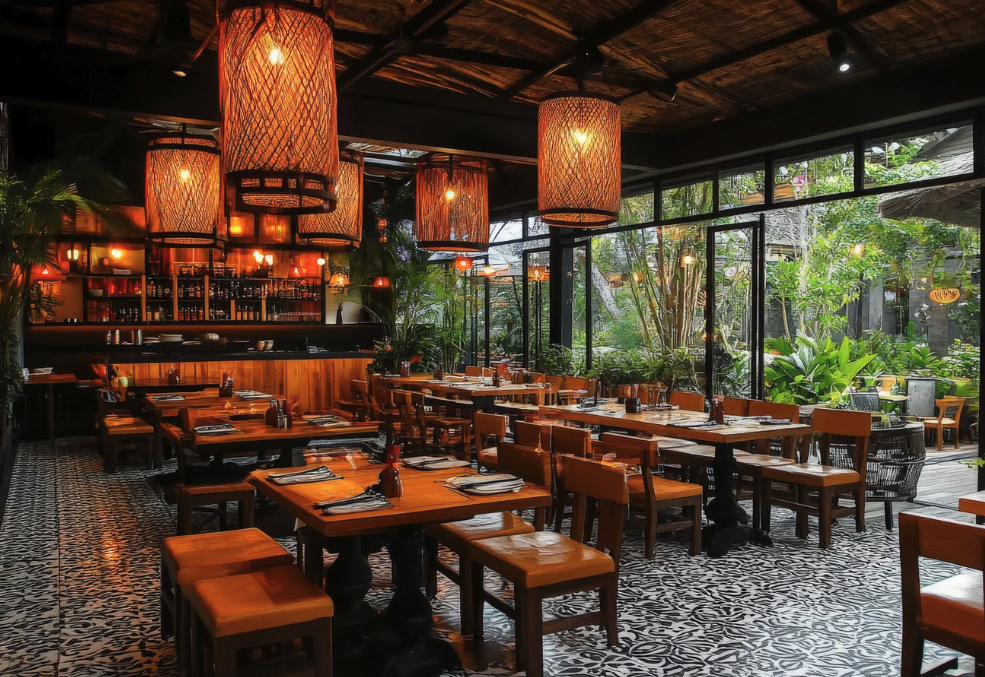
Diners in London’s highly competitive hospitality landscape are no longer searching only for great food. They are looking for places that make them feel something — spaces that are memorable, atmospheric, and aligned with the lifestyle they identify with. Cafe Interior Design plays a pivotal role in shaping these experiences, influencing how customers perceive a brand before they even read the menu.
From independent cafés to destination restaurants, interiors are no longer secondary to the concept; they are part of the product itself. Every design decision — from layout and materials to lighting and finishes — affects how guests behave, how long they stay, and whether they return.
In a city where choice is endless, thoughtful interior design is what transforms a dining space into a destination.
Why Restaurant Branding Matters More Than Ever?
In a city as diverse and fast-moving as London, hospitality brands must work harder to differentiate themselves. Interior Design is no longer about following trends; it is about translating a concept into a physical environment that feels authentic and intentional.
Restaurant and café branding communicates:
- Your story and culinary philosophy
- Your level of service and quality
- Your target audience and price positioning
- The emotional experience you want guests to associate with your brand
Successful interiors create an emotional connection long before the food arrives. Guests instinctively sense whether a space aligns with their expectations — and that first impression often determines whether they stay, return, or recommend the venue.
1. Create a Strong Story Behind Your Restaurant
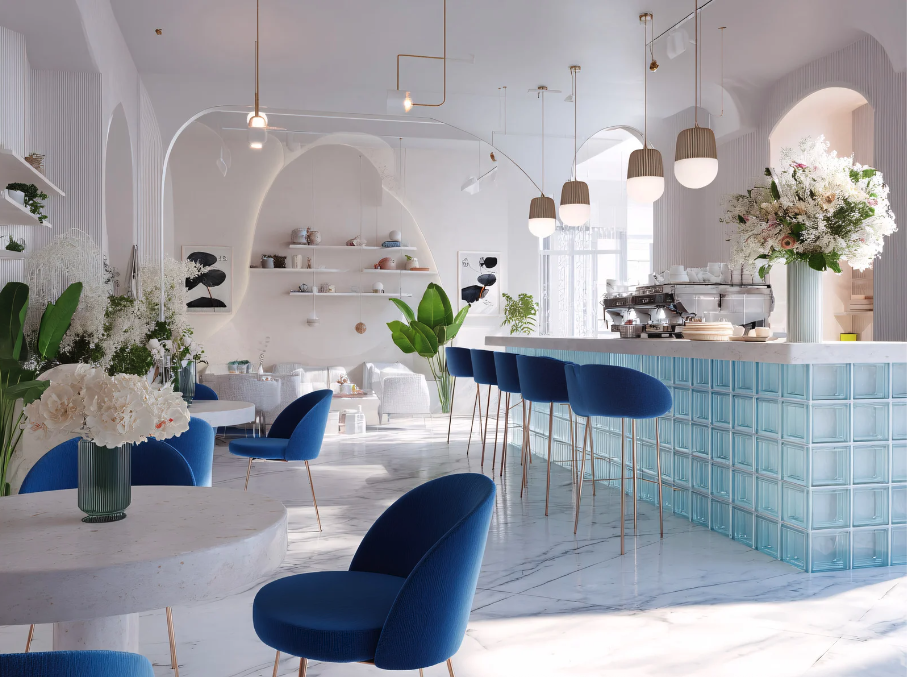
The most memorable dining spaces are built around a clear narrative. Whether the concept is contemporary, heritage-inspired, casual, or refined, the story must be consistent throughout the interior.
An experienced Interior Design Studio in London translates this narrative into spatial language through:
- Material choices that support the concept
- Furniture that reinforces comfort and character
- Artwork and visual details that add personality
- Finishes that reflect quality and intent
When the interior aligns seamlessly with the menu and service style, the brand becomes instantly recognisable and easier to remember in a crowded market.
2. Designing First Impressions: Exterior and Entrance
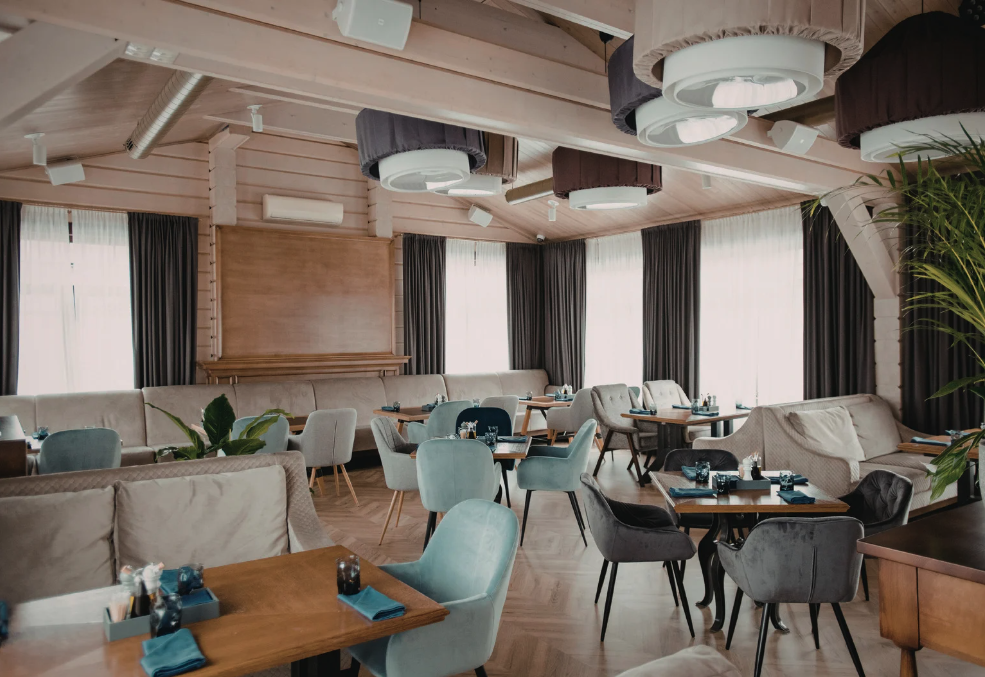
Your exterior is your first opportunity to communicate brand value. Long before guests step inside, they form expectations based on what they see from the street.
Strong hospitality branding at the entrance includes:
- Clear, confident signage
- A façade that reflects the interior atmosphere
- Inviting lighting that signals warmth and quality
- Visual transparency that sparks curiosity
In busy London streets, a well-designed entrance acts as a silent invitation — drawing in the right audience and increasing spontaneous footfall.
outside, you attract the right customers—and increase walk-ins.
3. Layout Planning for Flow & Comfort
A beautiful restaurant that does not function well will struggle operationally. Space Planning is where design meets practicality, and Restaurant Floor Plan Design London: Improving Flow & Customer Experience is a critical factor in creating environments that feel effortless for both guests and staff.
Effective Interior Design Project Management ensures that aesthetics and operations work together rather than in conflict. Designers must consider:
- Guest circulation from the entrance to the seating area
- Clear paths for staff movement
- Table spacing that balances privacy and capacity
- Flexible seating for different group sizes
- Defined zones for dining, bar, waiting, and service
These decisions are not visible at first glance, but they are deeply felt by both guests and staff. Poor layouts create friction; good layouts feel effortless.
4. Using Colour Psychology to Shape Atmosphere
Colour and material selection play a powerful psychological role in hospitality design. They influence mood, appetite, and how long guests choose to stay.
For example:
- Warm, earthy palettes create intimacy and relaxation
- Darker tones signal exclusivity and evening appeal
- Light neutrals suggest freshness and daytime use
- Bold accents inject energy and personality
Material choices — whether wood, stone, metal, or upholstery — should always reinforce the brand’s character while remaining durable for high-traffic environments.
5. Lighting: The Mood-Setter of Every Restaurant
Perhaps no element has as much impact on the atmosphere as Lighting Design. It defines how a space feels at different times of day and can dramatically influence guest perception.
Effective restaurant lighting:
- Enhances food presentation
- Creates visual comfort
- Highlights architectural and branding features
- Supports transitions from day to evening service
Layered lighting — combining ambient, task, and accent sources — allows a space to evolve naturally throughout the day. Thoughtful lighting design ensures the environment feels intentional rather than flat or overly bright.
6. Materials & Textures That Elevate Your Brand
Hospitality interiors are experienced through more than sight alone. Texture, acoustics, and tactile finishes all contribute to how guests feel within the space.
Premium restaurants may use rich materials such as stone, metal, and textured finishes to create depth and refinement. More relaxed cafés might favour warm woods, soft textiles, and natural surfaces to encourage longer stays.
Consistency between material choices and brand positioning is essential — mismatched finishes can confuse the message and dilute the experience.
7. Consistency Across All Touchpoints
Strong branding does not stop at walls and furniture. A truly immersive dining experience maintains consistency across every customer interaction.
This includes:
- Menu design and graphics
- Staff uniforms
- Tableware and accessories
- Washroom interiors
- Music and acoustic quality
When all elements align, guests experience the brand as cohesive and intentional, increasing emotional connection and recall.
8. Why Professional Branding & Interiors Matter?
Restaurants and cafés that invest in professional design consistently outperform those that rely on ad-hoc decisions. Thoughtfully designed interiors support both brand perception and operational success.
Benefits often include:
- Higher customer retention
- Stronger online reviews
- Increased dwell time
- Improved staff efficiency
- Higher perceived value
Design is not simply an aesthetic choice — it is a strategic business decision.
Final Thoughts
In London’s competitive hospitality sector, memorable interiors are no longer optional. They are essential to brand identity, customer loyalty, and long-term success.
When layout, materials, and lighting are thoughtfully orchestrated, dining spaces become experiences rather than just venues. From the first glance at the exterior to the final moments of a meal, every design decision shapes how guests remember your brand.
Whether launching a new concept or refreshing an existing one, investing in professional design ensures your space works as hard as your business does — today and into the future.


