


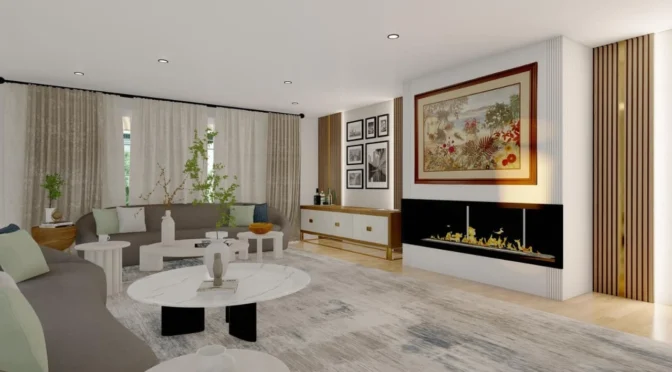
Luxury Interior Designers London: How to Create Timeless, Functional Interiors
A home can look expensive and still feel wrong. Poor layout, weak lighting, and too many competing finishes can make even premium properties feel flat. That is one of the biggest reasons people look for luxury interior designers London.
In London, this matters even more. Period homes often have awkward proportions. New-build apartments can feel sharp but characterless. High-value properties need more than decoration. They need planning, restraint, and detailed coordination.
Luxury interior design is not about adding expensive pieces for the sake of it. It is about creating a space that works beautifully, feels refined, and supports the way you live every day.
In our London projects, we often see clients come to us after trying to solve things room by room. The result is usually the same: the home looks finished, but it does not feel coherent. Good design fixes that by resolving layout, lighting, materials, and function together.
This guide explains what luxury interior design really means, why professional input matters, and how to create a home that feels timeless rather than trend-led.
What Luxury Interior Design Really Means
Luxury interior design is not simply decoration. It is the process of creating a home that feels tailored, comfortable, and well resolved.
A luxury interior should do four things well:
- Support the way you live
- Feel visually calm and considered
- Use materials with lasting quality
- Hold its value over time
That is why strong luxury interiors rely on planning first. Finishes come later.
Bespoke Design, Not Standard Solutions
Luxury spaces are rarely built from off-the-shelf decisions alone. The best results come from layouts, joinery, furniture, and detailing designed around the room itself.
In many London homes, this is essential. Standard furniture rarely solves awkward corners, uneven room shapes, or limited storage. Bespoke design allows the space to feel cleaner, more balanced, and easier to use.

Materials That Look Better Over Time
Luxury interiors rely on materials that age well. Natural stone, hardwood, metal detailing, textured fabrics, and quality finishes all help the space feel more grounded and enduring.
The goal is not to use more materials. It is to use fewer, better ones.
Detail That Makes the Difference
A high-end interior often feels better before you can explain why. That usually comes down to detail.
Examples include:
- lighting aligned properly with furniture and architecture
- joinery that fits the room exactly
- balanced colour tones across surfaces
- storage integrated so the room stays calm
This level of coordination is why many clients choose a professional Interior Designers London team instead of trying to piece the scheme together themselves.
Why Homeowners Work with Luxury Interior Designers in London
London properties are expensive to buy, expensive to renovate, and expensive to get wrong. That makes professional design input far more valuable than many people first realise.
1. Better Layout Decisions
In our experience, the biggest design mistakes happen before any furniture is bought. A beautiful room will still fail if the layout is weak.
Professional designers solve problems such as:
- awkward circulation in open-plan rooms
- poor bedroom storage
- underused dining spaces
- living rooms that feel crowded or disconnected
This is where good Interior Architecture thinking becomes critical. It improves how the home works, not just how it looks.
2. Access to Better Suppliers and Craftsmanship
Luxury design depends on quality execution. Experienced designers usually have access to trusted suppliers, specialist makers, and trades who can deliver a stronger final result.
That includes bespoke furniture, joinery, specialist finishes, lighting, and soft furnishings that are difficult to source well without guidance.
3. Fewer Expensive Mistakes
Many people assume hiring a designer increases the budget. In reality, it often protects it.
Poor decisions on layout, lighting, or specification are expensive to undo. A structured design process helps avoid:
- buying furniture that does not fit properly
- installing lighting in the wrong place
- choosing materials that clash on site
- making costly changes during construction
4. A Home That Feels Personal, Not Generic
Luxury interiors should reflect the people living in them. The best homes do not feel copied from a showroom or hotel. They feel tailored.
That means the design responds to how you cook, relax, work, entertain, and move through the space.

What Strong Luxury Interiors Usually Have in Common
A Calm Colour Base
Most successful luxury interiors do not rely on loud colour everywhere. They usually start with a controlled palette.
Tones such as warm neutrals, soft greys, stone, taupe, and muted earth colours create a calm base. Accent colours can then be introduced through furniture, art, or textiles.
Layered Lighting
Lighting is one of the clearest differences between an average interior and a refined one.
A strong scheme usually includes:
- ambient lighting for general use
- task lighting where function matters
- accent lighting to highlight artwork, joinery, or texture
This is why so many high-end homes rely on coordinated lighting design rather than a single overhead fitting.
Bespoke Furniture and Joinery
Custom furniture is not only about status. It solves proportion and function.
Built-in storage, tailored wardrobes, media units, dining tables, and lounge seating often work far better when designed around the room rather than forced into it.
Texture Without Clutter
Luxury interiors often feel rich because of texture, not because they are full of objects.
Stone, wood, linen, velvet, leather, plaster, and metal all create contrast and depth. The room feels layered without feeling busy.
Luxury Interior Design Trends in London Right Now
Luxury homes still need to feel current. But the best projects avoid short-term trends and focus on ideas that will last.
Sustainable Luxury
More homeowners want quality without waste. That means better sourcing, longer-lasting materials, improved lighting efficiency, and more thoughtful renovation decisions.
This aligns closely with a more refined design mindset: buy less, choose better, and make it last.
Modern Minimalism with Warmth
Minimal interiors are still popular, but the colder version of minimalism is fading. Clients want cleaner spaces that still feel warm.
That usually means:
- softened lines
- warmer timber tones
- fewer but stronger statement pieces
- better texture throughout the room
Technology That Disappears into the Design
Smart homes are now expected in many high-end projects. The difference in luxury interiors is that the technology should feel integrated, not obvious.
Lighting scenes, climate control, blinds, audio, and security all work best when they support the design rather than dominate it.
Hospitality Influence at Home
Many clients want the calm, polished feeling of a boutique hotel without making their home feel impersonal.
That often shows up through:
- hotel-style bedrooms
- spa-inspired bathrooms
- layered lounge lighting
- more refined joinery and furniture layouts

How the Luxury Interior Design Process Usually Works
A good process gives the project structure and reduces stress. This is especially important on London renovations, where timelines, trades, and site conditions can shift quickly.
Initial Consultation
This stage is about understanding the property, the client’s lifestyle, and the real problems that need solving.
Many clients think they need furniture advice. Often, what they really need is a better layout, stronger lighting plan, or more coordinated finishes.
Concept Development
This is where the design direction is shaped. Mood boards, materials, references, and layout ideas begin to define how the home should feel.
Detailed Design
Once the concept is approved, the project moves into technical development. This includes layouts, specifications, drawings, lighting positions, and product selection.
Procurement and Coordination
At this stage, products are sourced and suppliers are managed. Coordination becomes critical because this is where delays, errors, and mismatched selections usually happen if the project is not being managed properly.
Installation and Styling
The final stage brings everything together. Furniture, lighting, accessories, art, and soft furnishings complete the scheme and give the home its finished identity.
Luxury Design Across Different Types of Space
Luxury Homes
In residential projects, luxury design is usually focused on improving both lifestyle and long-term value.
Common features include:
- bespoke kitchens
- walk-in wardrobes
- spa-style bathrooms
- refined living rooms
- tailored storage and joinery
Commercial and Hospitality Interiors
Luxury design also matters in business settings. In offices, restaurants, hotels, and retail, the interior shapes perception, comfort, and customer experience.
This is why businesses often invest in high-quality Commercial Interior Design when brand presentation matters.
How to Choose the Right Luxury Interior Designer
The right designer should not only have a good portfolio. They should also understand how to manage the kind of project you are planning.
Review the Portfolio Carefully
Look beyond pretty images. Ask whether the projects feel resolved, balanced, and appropriate to the property type.
Check Their Design Thinking
A strong designer should be able to explain why they make certain layout, material, or lighting decisions. That is what separates real design expertise from surface styling.
Choose Someone Who Communicates Clearly
Luxury projects usually involve many moving parts. Clear communication makes the entire process smoother and reduces confusion later.
Look for Relevant Experience
If you are renovating a townhouse, designing a penthouse, or upgrading a hospitality space, it helps to work with a studio that already understands those challenges.
Why Timeless Interiors Usually Outperform Trend-Led Ones
A well-designed interior should still feel strong years later. That is why the best luxury interiors are built on principles rather than fashion.
That usually means focusing on:
- balanced proportions
- high-quality materials
- clear layouts
- lighting that supports real life
- details that age well
This creates a home that feels relevant for longer and usually protects value more effectively.
Transforming Your Space with the Right Design Team
Luxury interior design is not just about how a home looks. It is about how it works, how it feels, and how well it supports everyday living.
Working with experienced luxury interior designers London gives you a clearer process, better decisions, and a more resolved final result.
Whether you are upgrading a private home, designing a new apartment, or improving a commercial property, the right team will help you create a space that feels timeless, functional, and genuinely personal.
If you want a fully coordinated route from concept to completion, our Full Service Interior Design London approach and Construction Company support can help align design, delivery, and long-term value in one process.

