


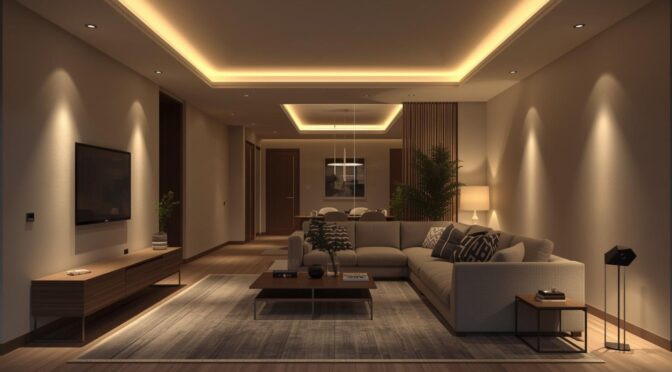
Lighting is one of the most technically demanding and creatively influential aspects of the built environment. In London—where architecture ranges from heritage townhouses to contemporary commercial developments—lighting must respond to structure, function, and lifestyle with equal precision. At its best, lighting is not a decorative afterthought but a core component of Interior Architecture, shaping how spaces are experienced, navigated, and remembered.
For a studio operating at a high professional level, lighting sits at the intersection of concept, planning, detailing, and execution. This is where design intent is translated into reality through rigorous coordination, technical expertise, and material intelligence.
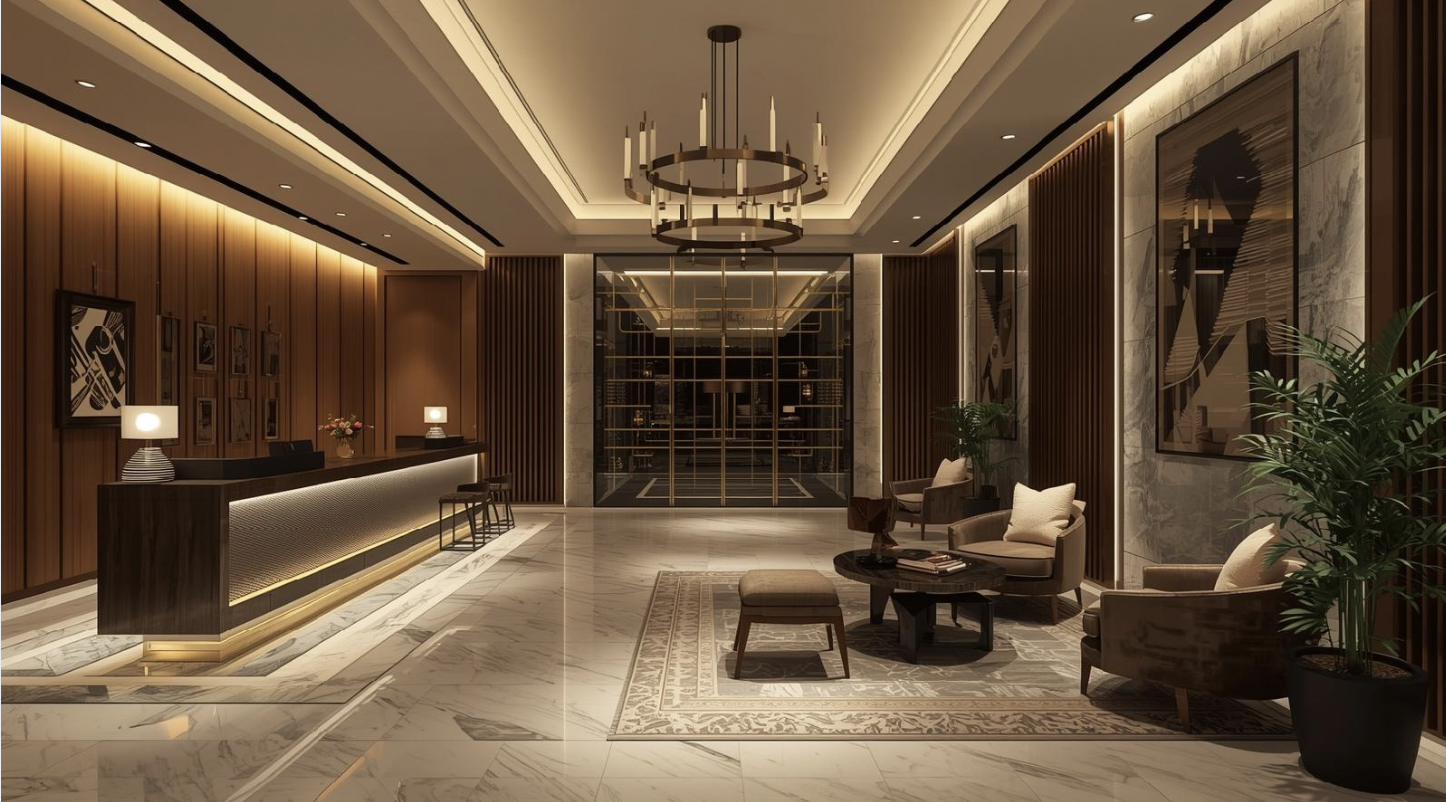
Why Lighting Matters More Than You Think?
Lighting touches every corner of your home—literally and visually. It affects:
- How big or small your rooms appear
- The mood and atmosphere of your living areas
- How colours, finishes, and materials are perceived
- Daily comfort, usability, and well-being
- Energy efficiency and long-term sustainability
A well-considered lighting plan balances aesthetics with functionality, ensuring every spatial decision supports the way you live or work. In London homes, especially, where daylight levels and layouts can vary significantly, lighting must compensate intelligently without overwhelming the architecture.
Lighting Design as Part of Interior Architecture
Within Interior Architecture, lighting is resolved early in the design process. Ceiling heights, structural elements, joinery depths, and circulation routes all influence how light is introduced and controlled. Rather than relying on surface-mounted solutions, architectural lighting integrates seamlessly into the fabric of the space.
This approach allows interiors to feel calm, intentional, and cohesive. Recessed fittings, concealed LED channels, and carefully aligned fixtures reinforce spatial clarity while avoiding visual clutter. In period properties, lighting must also respect architectural heritage, enhancing rather than overpowering original features.
1. Use Layered Lighting for a Balanced Look
The secret to effective Lighting Design lies in layering. Professional designers rely on three essential layers to achieve balance and flexibility:
Ambient Lighting — the general light source
Ceiling pendants, track lighting, and recessed fittings provide an even base level of illumination throughout the space.
Task Lighting — focused light for specific activities
Under-cabinet lighting, desk lamps, bedside lights, and mirror lighting support reading, cooking, working, and grooming without strain.
Accent Lighting — highlighting features and adding depth
Wall lights, LED strips, and directional spotlights draw attention to artwork, architectural details, and bespoke elements.
Layering these three types ensures spaces never feel flat, harsh, or inadequately lit, allowing lighting to adapt throughout the day.
2. Make Use of Natural Light
Many London properties face challenges such as narrow footprints, limited window openings, or neighbouring buildings. Thoughtful Space Planning enhances natural light through architectural and interior strategies, including:
- Light-toned finishes and reflective surfaces
- Glass partitions and internal glazing
- Strategic mirror placement
- Sheer window treatments instead of heavy drapery
- Open-plan layouts where appropriate
Maximising daylight reduces reliance on artificial lighting while creating interiors that feel brighter, healthier, and more spacious.
3. Choose Warm Lighting for Cosy Interiors
Warm white lighting (2700K–3000K) is ideal for:
- Living rooms
- Bedrooms
- Dining areas
It creates a relaxed, welcoming atmosphere—particularly important during long London winters.
Cooler lighting (4000K and above) is better suited to:
- Kitchens
- Bathrooms
- Home offices
When thoughtfully combined, mixed colour temperatures support both comfort and productivity, ensuring each area functions as intended.
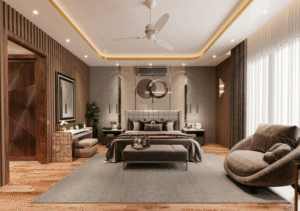
4. Lighting That Enhances Luxury Interiors
In refined residential projects, lighting is a key indicator of quality. Homes designed by Luxury Interior Designers London often feature lighting that is subtle yet highly controlled, enhancing materials and craftsmanship without visual excess.
High-end lighting schemes frequently include:
- Architectural lighting integrated into ceilings and walls
- LED detailing within joinery and shelving
- Backlit mirrors and feature panels
- Dimmable systems for flexibility
- Statement fixtures are used sparingly as focal points
Lighting at this level elevates everyday living while reinforcing a sense of understated luxury.
5. Bespoke Joinery and Integrated Lighting
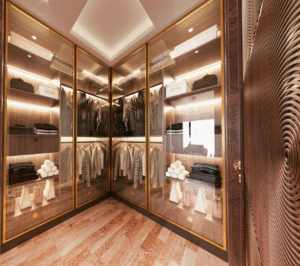
High-quality interiors frequently rely on Bespoke Joinery London to achieve precision and visual continuity. Integrated lighting within wardrobes, shelving, and media units enhances both function and atmosphere.
Designing joinery and lighting together ensures:
- Clean integration without visible fixings
- Balanced illumination for storage and display
- Alignment with material choices and proportions
This level of detailing contributes to interiors that feel tailored, resolved, and quietly sophisticated.
6. The Role of Technical CAD Drawings in Lighting Execution
Behind every successful lighting scheme lies precise documentation. Technical CAD Drawings translate design intent into buildable solutions, ensuring accuracy on site and consistency throughout the project.
These drawings typically resolve:
- Lighting layouts and fixture positioning
- Switching and circuiting strategies
- Coordination with ceilings, joinery, and services
- Integration with bespoke elements
In complex London projects, this level of technical clarity is essential to avoid compromises during construction and to maintain the integrity of the design.
7. Custom Furniture Design and Integrated Lighting
Bespoke interiors increasingly rely on Custom Furniture Design to achieve clarity and cohesion. Integrated lighting within joinery—such as wardrobes, shelving, and media units—enhances both functionality and visual refinement.
This approach requires close collaboration between design, detailing, and execution, ensuring lighting is discreet, serviceable, and aligned with material choices. When furniture and lighting are designed together, the result is an interior that feels tailored and resolved.
8. Smart Lighting Controls for Modern Living
Modern London homes benefit from intelligent lighting control systems that enhance both convenience and efficiency. These may include:
- Dimmable switches
- Smart bulbs and fittings
- Automated schedules
- App-based and voice-controlled systems
Smart controls allow lighting to adapt seamlessly to daily routines while supporting energy-conscious living.
9. Visualising Lighting Through 3D Render Services
Before construction begins, 3D Render Services play a vital role in communicating lighting intent. High-quality renders allow clients to understand how light interacts with materials, volumes, and layouts at different times of day.
These visual tools support informed decision-making, reduce uncertainty, and ensure alignment between concept and execution—particularly valuable in complex London projects.
10. How a Professional Studio Enhances Your Lighting Plan?
A skilled Interior Design Company coordinates lighting across concept, planning, and execution. This ensures alignment between spatial layouts, furniture placement, materials, and electrical planning.
Professional oversight includes:
- Integrating lighting with architectural intent
- Coordinating consultants and contractors
- Resolving constraints without compromising design quality
This holistic approach is essential for delivering well-balanced interiors across both residential and commercial interior design projects.
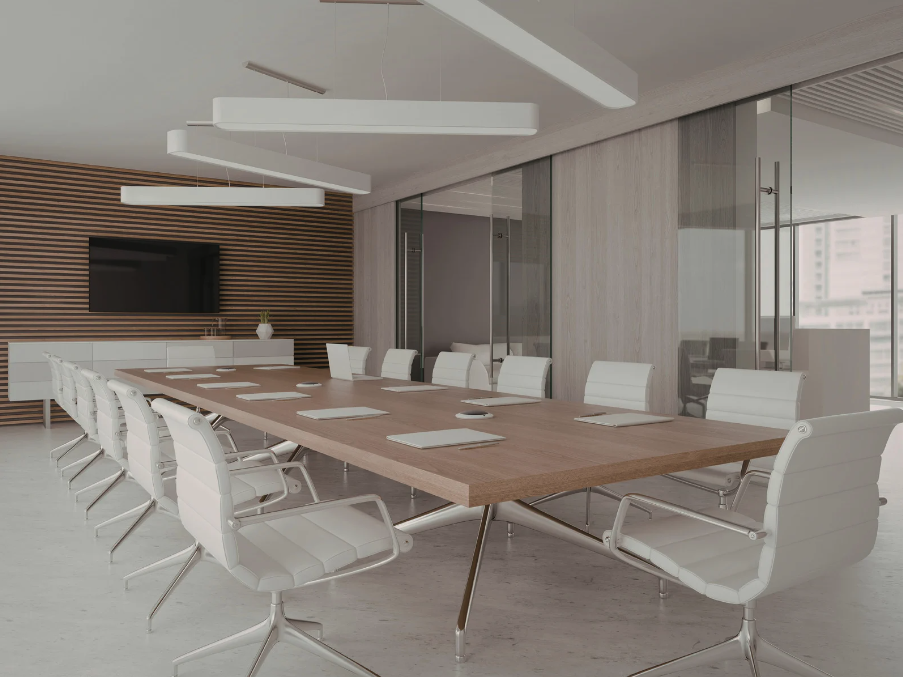
11. Lighting in Commercial Interior Design
In commercial settings, lighting must balance brand identity, durability, and user experience. Offices, hospitality spaces, and retail environments rely on lighting to support workflow, comfort, and visual consistency.
Thoughtful lighting enhances productivity, reinforces spatial zoning, and contributes to a positive client experience—making it a strategic design decision rather than a purely technical one.
Final Thoughts
Lighting is more than illumination—it is atmosphere, structure, and experience. When resolved through Interior Architecture, supported by Technical CAD Drawings, and integrated with Custom Furniture Design, lighting becomes a defining element of spatial quality. Combined with Bespoke Joinery, lighting transforms spaces into environments that feel intentional, refined, and built to last.
Whether within private homes or commercial interior design environments, professionally planned Lighting Design—grounded in an understanding of the Effect of Natural Lighting in Interiors—creates spaces that feel considered, adaptable, and enduring. For projects led by Luxury Interior Designers London, lighting is not simply about visibility; it is about shaping how spaces are lived in, used, and remembered over time.


