



Launching or revamping a restaurant in London is about much more than the menu. Interior design plays a strategic role in influencing customer behaviour, improving operational flow, and ultimately boosting revenue. A well-planned interior enhances first impressions, encourages longer stays, and promotes repeat visits all critical factors in a competitive hospitality market.
In this guide, we explore essential design principles that transform a dining space into a high-performing restaurant while highlighting key trends in Restaurant Interior Design.
1. Understand Your Customer Experience Flow
The foundation of an effective restaurant design is understanding how customers move through your space. From the moment they enter to the moment they leave, every touchpoint should feel intuitive and welcoming. This is where Restaurant Floor Plan Design London: Improving Flow & Customer Experience becomes essential, ensuring layouts support smooth circulation, comfort, and efficient service in busy hospitality environments.
Key considerations include:
-
Positioning the host stand prominently near the entrance for clear visibility
-
Ensuring unobstructed pathways to restrooms, seating, and the kitchen
-
Avoiding overcrowding to enhance comfort and reduce frustration
-
Designing entry and exit flows to manage peak hours efficiently
Proper Space Planning ensures both guests and staff can navigate easily, reducing bottlenecks and creating a seamless dining experience. A well-designed flow also subtly guides diners past menu highlights or feature areas, which can positively influence spending.
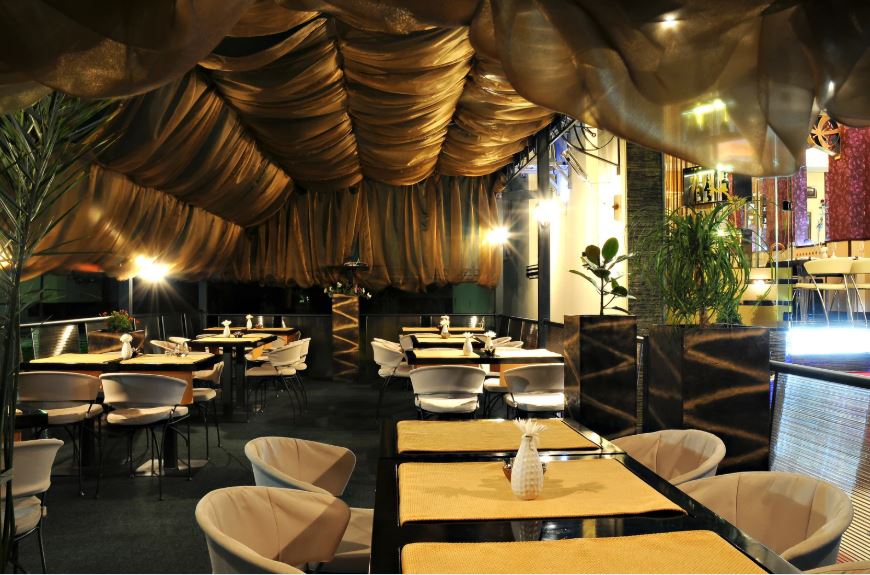
2. Create a Strong First Impression
A restaurant’s entry sets the tone for the entire experience. First impressions matter if a customer feels welcome and intrigued at the door, they’re far more likely to stay and return.
Strategies include:
-
Bold lighting, architectural features, or colour accents to catch attention
-
Statement furniture, textured finishes, or greenery to intrigue visitors
-
Flooring and wall materials that reflect the brand identity and ambience
Even small touches, such as a curated entry display or signature scent, can reinforce brand personality. When designing café spaces specifically, Cafe Interior Design principles help create approachable yet memorable first impressions.
3. Zone Your Dining Area for Sales Optimisation
Dividing your dining space into carefully planned zones improves both guest experience and operational efficiency. Zoning allows you to accommodate different customer types as couples, families, groups, and takeaway clients ,without compromising service.
Practical strategies include:
-
Using lighting, flooring, or furniture to delineate spaces subtly
-
Installing semi-private booths for intimate or long-stay dining
-
Offering flexible tables and movable seating for varying group sizes
-
Creating a visible, inviting bar area for casual socialising
Zoning not only enhances comfort but also encourages upselling. For example, positioning dessert displays near semi-private areas or bars near high-traffic zones can increase incremental sales.
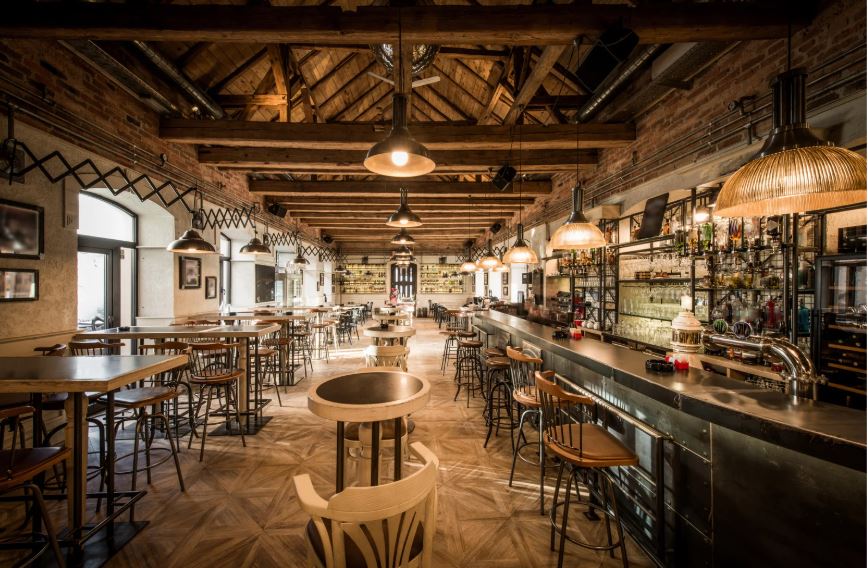
4. Choose Furniture That Sells
Comfortable seating is directly linked to revenue. Guests linger longer and spend more when chairs, booths, and sofas are ergonomically designed and visually appealing.
Best practices include:
-
Investing in high-quality, durable materials that are easy to clean
-
Mixing seating types: bar stools, banquettes, lounge chairs, and café chairs
-
Incorporating textures such as velvet, leather, or wood for luxury appeal
Properly designed furniture supports Bar Interior Designers in creating dynamic bar areas that balance style and functionality. A thoughtful seating layout can also create social hubs, encouraging conversation and repeat visits.
5. Use Lighting to Guide Mood and Behaviour
Lighting is one of the most influential tools in shaping the dining experience. It affects ambience, customer pace, and even perception of food quality.
Effective strategies include:
-
Warm, soft lighting for relaxed, long-stay environments
-
Bright, focused lighting for fast-casual or lunchtime settings
-
Pendant or statement fixtures to highlight key areas without overcrowding
-
Layered lighting to provide flexibility throughout service hours
Lighting Design is particularly effective when paired with zoning — helping customers intuitively differentiate between intimate booths, lively bar areas, and casual dining zones.
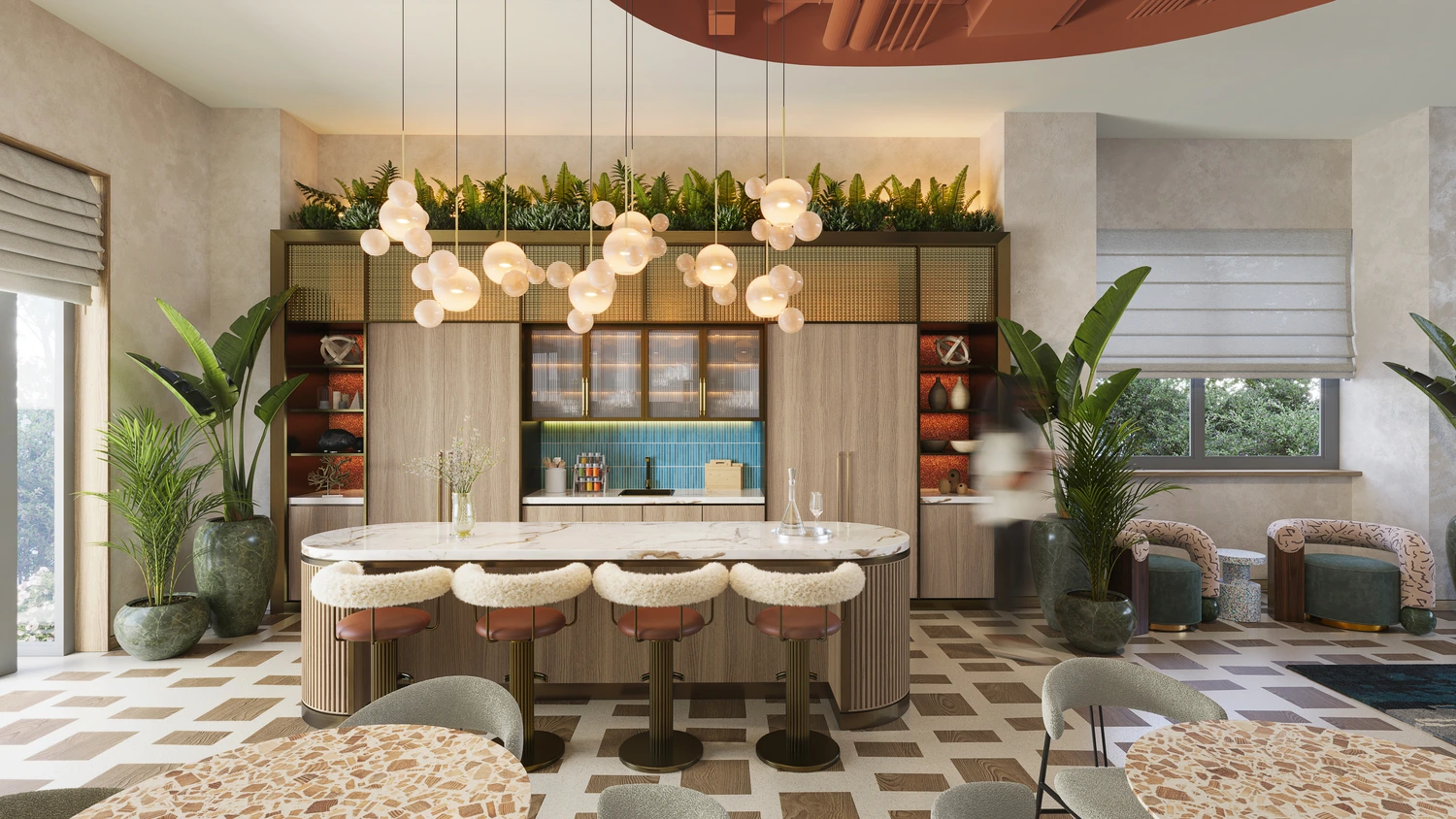
6. Incorporate Brand Identity Into the Design
Your restaurant should be an extension of your brand story. Every design decision, from colour palette to materials, communicates who you are as a business.
Ways to integrate brand identity:
-
Custom murals, wall art, or installations that reflect your concept
-
Signature colours and finishes that echo your cuisine or service style
-
Discreet branding on furniture, signage, or fixtures
-
Curated décor elements that reinforce the theme
Strong brand-driven design encourages loyalty and word-of-mouth marketing. Visitors associate memorable interiors with high-quality food and service, enhancing their overall perception.
7. Optimise for Acoustics and Comfort
Noise is often underestimated in restaurant design. Excessive echoes, hard surfaces, or poor layouts can create uncomfortable environments that drive diners away.
Key techniques include:
-
Installing acoustic panels, ceiling baffles, or soft furnishings
-
Avoiding large expanses of hard, reflective surfaces
-
Using ambient background music at controlled volumes
-
Creating semi-private zones for conversation-friendly dining
Comfortable acoustic design encourages guests to linger and enjoy multiple courses or drinks, directly impacting revenue.
8. Design With Social Media in Mind
In today’s digital era, restaurants live online as much as they do offline. Instagrammable interiors generate organic promotion, encouraging customers to share their experiences and attract new visitors.
Elements to consider:
-
Photogenic walls, feature corners, and neon signage
-
A visually striking bar or dessert presentation area
-
Clear logo placement in multiple photographable locations
Even small visual details, when curated with Restaurant Interior Design expertise, can significantly amplify marketing reach and customer engagement.
📸 Our Bar Interior Designers often incorporate design elements specifically to enhance social media presence without compromising operational flow.
9. Manage the Project Professionally
A successful restaurant design requires careful coordination between trades, suppliers, and timelines. Professional oversight reduces stress and ensures the project runs efficiently.
Key services include:
-
Scheduling construction, fit-outs, and furniture installation
-
Coordinating with lighting, décor, and AV suppliers
-
Managing budgets and procurement effectively
-
Addressing compliance and safety requirements proactively
Experienced Interior Design Project Management ensures the concept is realised as envisioned while avoiding costly delays or mistakes.
10. Source Quality Materials and Furnishings
Procurement is a critical element in restaurant design. Quality materials not only elevate aesthetics but also ensure durability in high-traffic hospitality environments.
Focus on:
-
Durable finishes for tables, bars, and high-contact areas
-
Locally and ethically sourced furniture where possible
-
Fixtures, fabrics, and lighting that match both style and function
A well-managed Procurement process guarantees that your investment translates into a space that looks premium while standing up to operational demands.
Final Thoughts
Good food brings people to your restaurant once. Exceptional restaurant interior design brings them back and keeps them spending more each visit.
From flow and zoning to furniture, lighting, branding, acoustics, and social media-ready design, every detail matters. Thoughtful design enhances guest experience, operational efficiency, and profitability simultaneously.
Whether you are starting fresh or revamping an existing space, working with experts in Restaurant Interior Design ensures a strategic approach that balances aesthetics, functionality, and business performance.
📞 Ready to elevate your restaurant experience? Contact Oraanj Interiors for a consultation and let us create a space that delights customers and drives sales.


