


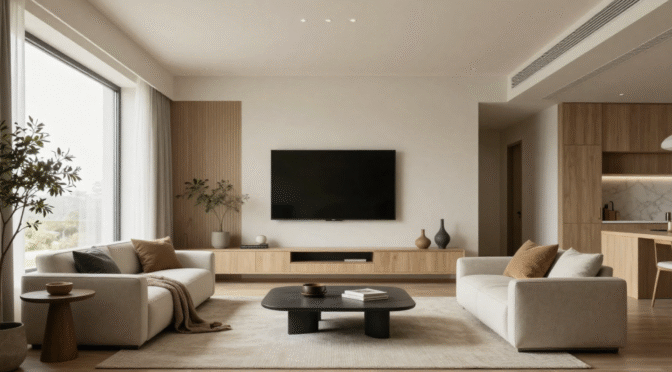
Designing a contemporary home is all about blending clean lines, functionality, and artistic expression in a way that feels effortless and refined. Unlike modern design, which refers to a specific historical period, contemporary interior design evolves continuously, reflecting current lifestyles, materials, and aesthetics. Understanding the distinction between styles is essential, and for those curious about how they differ in practice, Modern vs. Contemporary: What’s the Difference in Interior Design? offers a detailed exploration to guide design decisions in London homes. This adaptability makes it one of the most popular styles for London homeowners seeking interiors that feel current yet enduring.
From city apartments to townhouses and penthouses, contemporary design suits a wide range of properties across the capital. With expert Interior Design London guidance, it is possible to create a home that feels sophisticated, comfortable, and deeply personal.
If you’re planning to transform your home, this guide walks you through the key principles of contemporary design, helping you balance elegance, comfort, and innovation without compromising functionality.
1. Understand the Essence of Contemporary Design
At its core, contemporary interior design is defined by simplicity, clarity, and understated sophistication. Spaces are calm rather than cluttered, with every element serving a purpose. Clean architectural lines, minimal ornamentation, and thoughtful detailing are essential.
Contemporary homes often feel open and light-filled, with layouts designed to enhance flow and functionality. Rather than relying on heavy decoration, the style focuses on proportion, texture, and carefully selected materials. This approach allows the architecture of the space to shine while still offering warmth and personality.
Understanding these fundamentals is key before beginning any design project, particularly when working with an experienced Interior Decorator who can help translate abstract ideas into cohesive, livable spaces.
2. Focus on Open and Functional Layouts
Open-plan living is one of the defining characteristics of contemporary homes. In London properties, where space is often limited, removing unnecessary partitions can dramatically improve both functionality and visual flow.
By connecting kitchens, dining areas, and living spaces, contemporary layouts encourage social interaction and maximise natural light. Furniture is then used to subtly define zones rather than walls, creating flexibility while maintaining openness.
This emphasis on intelligent layouts stems from principles of Interior Architecture, where spatial planning is carefully considered to support modern lifestyles. The goal is to ensure that every area feels purposeful, comfortable, and seamlessly connected to the rest of the home.
3. Choose Neutral Colours with Bold Accents
A neutral colour palette forms the foundation of most contemporary interiors. Shades such as soft whites, warm greys, taupes, and muted beiges create a calm, elegant backdrop that allows other elements to stand out.
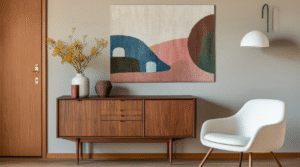
These neutral bases are then enhanced with bold accents introduced through furniture, artwork, or decorative objects. A single sculptural chair, a vibrant piece of art, or a richly textured rug can inject personality without overwhelming the space.
A professional Colour Consultation helps ensure that tones work harmoniously with lighting conditions, finishes, and the overall atmosphere of the home. This careful balance is what gives contemporary interiors their timeless appeal.
4. Incorporate Natural Light and Materials
Natural light plays a vital role in contemporary design. Large windows, skylights, and glazed doors blur the boundary between indoors and outdoors, making spaces feel more expansive and inviting.
Where possible, layouts are arranged to maximise daylight penetration throughout the home. Light-reflective finishes further enhance brightness, particularly in London properties where natural light may be limited.
Natural materials such as timber, stone, concrete, and metal introduce warmth and texture, preventing contemporary spaces from feeling cold or sterile. When combined thoughtfully, these materials create interiors that feel grounded, authentic, and effortlessly elegant.
5. Invest in a Contemporary Kitchen
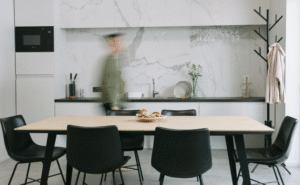
The kitchen is often the heart of a contemporary home, serving as both a functional workspace and a social hub. Clean lines, handle-less cabinetry, and integrated appliances create a streamlined appearance that aligns perfectly with contemporary aesthetics.
Kitchen islands and breakfast bars add flexibility, offering space for cooking, dining, and entertaining. Materials such as matte finishes, stone worktops, and subtle metallic details elevate the design without excessive decoration.
Carefully considered Furniture Selections within the kitchen and adjacent dining areas ensure that seating, storage, and surfaces complement the overall design while maintaining comfort and practicality.
6. Blend Contemporary with Classic Influences
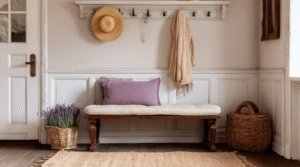
One of the most exciting aspects of contemporary design is its flexibility. Unlike stricter styles, it allows for the thoughtful integration of classic influences to add depth and personality.
Art Deco elements, for example, can be reinterpreted in a contemporary way through geometric patterns, metallic finishes, or statement lighting. These touches introduce glamour without overpowering the simplicity of the space.
A carefully curated Mood Board Design helps visualise how contemporary and classic elements can coexist harmoniously, ensuring a cohesive result that feels intentional rather than eclectic.
7. Prioritise Minimalism and Statement Pieces
Minimalism is central to contemporary design, but it does not mean creating empty or impersonal spaces. Instead, the focus is on selecting fewer, higher-quality pieces that make a strong visual impact.
A sculptural sofa, a bold chandelier, or a striking artwork can serve as a focal point within a room. These statement elements draw attention and add character while keeping the overall environment uncluttered.
Feature architectural details, such as textured surfaces or bespoke finishes, also play an important role. Thoughtfully designed Feature Walls can introduce depth, contrast, and visual interest without relying on excessive decoration.
8. Balance Comfort with Visual Appeal
While contemporary interiors are visually refined, they must also support everyday living. Comfort and usability are just as important as aesthetics.
Smart storage solutions help maintain clean lines, while ergonomic furniture ensures that spaces remain practical and inviting. Layered lighting enhances both functionality and mood, allowing rooms to adapt to different activities throughout the day.
This balance between comfort and design is what transforms a contemporary interior from a showroom-style space into a true home.
Conclusion
Designing a contemporary home in London requires a thoughtful, well-considered approach that blends elegance, practicality, and individuality. By focusing on open layouts, neutral palettes, natural light, and carefully chosen statement details, you can create interiors that feel modern yet timeless.
Contemporary design is not about following trends blindly; it is about curating spaces that reflect how you live today while remaining adaptable for the future. With the right planning and professional insight, your London home can achieve a sophisticated, comfortable, and enduring contemporary aesthetic.


