



How to Choose the Best Interior Design Studio in London
Choosing the right interior designer in London can completely transform your home or business. Whether you are renovating a London apartment, planning a workplace redesign, or refreshing a hospitality venue, the professional you hire will directly influence the style, functionality, and long-term success of your space. A well-chosen designer enhances not only how a space looks, but also how it performs for everyday living or business use.
This guide explains how to choose the best design partner for your project, with practical insights tailored specifically to London’s complex property landscape.
London’s built environment is incredibly diverse. From compact city apartments and listed Georgian townhouses to modern developments and commercial spaces, each project requires a thoughtful and informed approach. Working with experienced Interior Designers London helps ensure your project is handled with both creativity and technical understanding.
With so many professionals offering design services, selecting the right studio can feel overwhelming.
So how do you make the right decision?
This guide breaks down the most important factors to consider — from identifying your design style to reviewing portfolios, understanding budgets, and asking the right questions before committing to a designer.
 Why Choosing the Right Interior Designer Matters
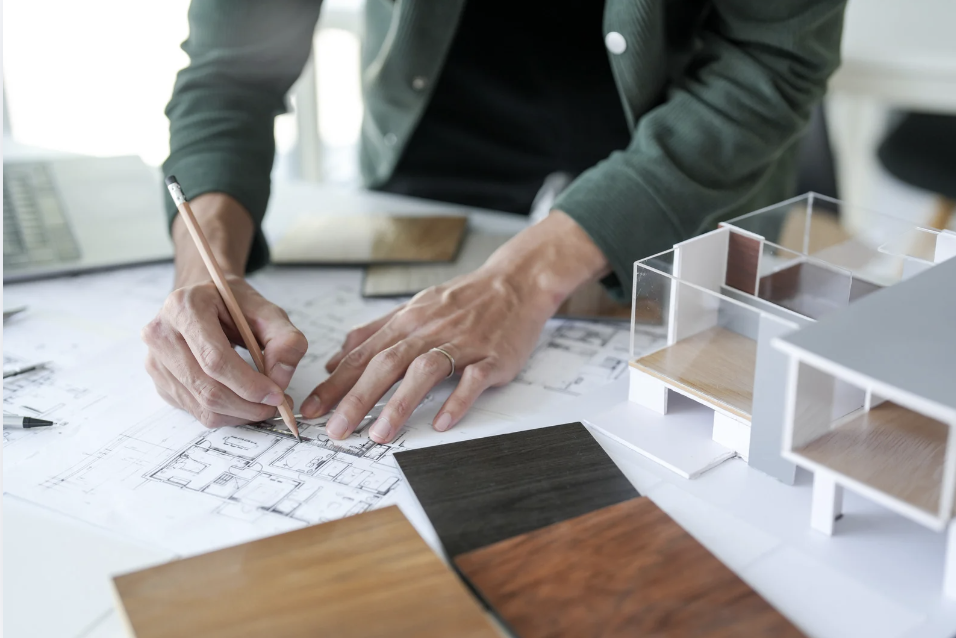
An interior designer does far more than select furniture or colour palettes. The right designer becomes a strategic partner throughout your project, helping translate ideas into a functional and visually cohesive space.
Professional designers often contribute by:
• Understanding your lifestyle or business objectives
• Optimising layouts through intelligent Space Planning
• Managing suppliers, contractors, and installations
• Creating interiors that are both durable and aesthetically refined
• Helping avoid costly mistakes during renovation or construction
In a city where property values are high and space is often limited, experienced designers bring clarity and structure to what might otherwise become a complex and stressful process.
The best designers don’t simply decorate — they solve spatial challenges through thoughtful design.
1. Understand Your Interior Design Style
Before approaching designers, take time to clarify what you are looking for. Understanding your preferred aesthetic helps ensure a better match between you and the studio you hire.
Consider the following questions:
• Do you prefer modern, minimalist, classic, luxury, or eclectic interiors?
• Are you planning a full renovation or simply refreshing certain areas?
• Would you prefer a fully managed design process?
• What materials, colours, or textures appeal most to you?
Many clients gather inspiration through design magazines, online platforms, and portfolios from established Interior Design Studio London practices.
Choosing a designer whose style already resonates with your taste will make the process smoother and more collaborative.
2. Review Their Portfolio Carefully
A designer working in London must understand the unique challenges presented by the city’s buildings. Experience elsewhere does not always translate easily to London’s architectural constraints.
When reviewing portfolios, pay attention to:
• Projects similar to your property type
• Creative solutions for small or awkward layouts
• Quality of materials and finishes
• Clear before-and-after transformations
• Consistency in design quality across multiple projects
Studios with extensive experience often showcase their work through curated project collections such as a Residential Interior Design Portfolio, which demonstrates both creativity and practical expertise.
3. Check Their Experience and Expertise
Interior design is both creative and technical. A designer’s experience often determines how smoothly a project runs.
Important factors to consider include:
• Years of experience working on London properties
• Formal design training or professional certifications
• Experience with similar project types
• Access to trusted contractors and suppliers
Designers who work closely with architectural specialists in Interior Architecture can also provide valuable insight when projects involve structural changes or complex layouts.
4. Understand the Design Process
Professional design studios typically follow a structured process that guides the project from initial concept through to final installation.
This process often includes:
• Initial consultation and discovery
• Site surveys and measurements
• Concept development and design direction
• Mood boards and visual presentations
• Technical documentation such as Technical CAD Drawings
• Selection of furniture, materials, and lighting
• Procurement and installation
Some studios also offer comprehensive Turnkey Interior Design services where the entire process is managed on the client’s behalf.
5. Establish a Realistic Budget
Interior design costs in London vary significantly depending on the scale and complexity of the project.
Budget considerations often include:
• Property size and existing condition
• Construction or renovation requirements
• Materials and finishes selected
• Custom furniture or bespoke joinery
• Level of design and project management involvement
Having transparent financial discussions early helps align expectations and ensures your designer can recommend solutions within your investment range.
6. Schedule a Consultation
A consultation allows you to determine whether the designer is the right fit for your project.
During the meeting, consider asking:
• How do you approach London homes with limited space?
• What types of projects do you specialise in?
• How are contractors and suppliers coordinated?
• What is your estimated project timeline?
• How is communication managed throughout the process?
A strong consultation should feel collaborative and informative, setting the foundation for a productive working relationship.
7. Evaluate Communication Style
Interior design projects often last several months, making communication essential.
Look for designers who are:
• Transparent and organised
• Open to collaboration
• Able to explain design decisions clearly
• Proactive in managing timelines
Many studios coordinate multiple trades through structured Project Management systems to keep projects on schedule.
8. Look for Designers Who Balance Trends with Timeless Design
Design trends evolve quickly, but great interiors remain relevant for years.
Experienced designers understand how to combine modern influences with timeless principles. This approach ensures your home or workspace feels contemporary without becoming quickly outdated.
Successful design is rarely about following trends blindly — it is about adapting ideas to suit the architecture and lifestyle of the client.
9. Clarify Project Timelines
London design projects often involve several stages and multiple trades. Understanding the timeline helps you plan realistically.
Important details include:
• Project start date
• Estimated completion timeframe
• Frequency of site visits
• How delays are managed
• How progress updates are communicated
Clear expectations at the beginning prevent confusion later in the project.
10. Read Client Reviews
Reviews and testimonials often reveal important insights into how a designer operates.
Look for feedback that highlights:
• Reliability and professionalism
• Communication throughout the project
• Attention to detail
• Overall client satisfaction
Consistent positive feedback is usually a strong indicator of a well-organised and experienced design practice.
Final Thoughts
Choosing the right interior designer is not only about aesthetics — it is about finding a professional who can guide you confidently through a complex process.
The ideal designer should be:
✔ Experienced with London properties
✔ Able to interpret your personal style
✔ Transparent about costs and timelines
✔ Skilled in project coordination
✔ Creative and solution-focused
Whether you are redesigning a home or planning a commercial space, the right designer will help you create an environment that is both beautiful and practical for years to come.
For more insights and design guidance, explore additional resources on the Blog.


