


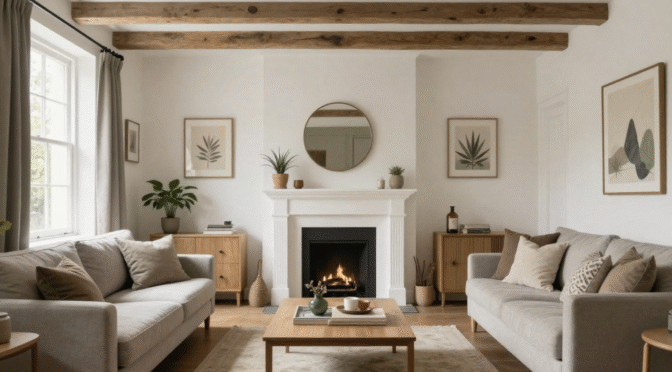
London homes come in all shapes and sizes, from elegant Victorian terraces and Edwardian townhouses to contemporary apartments and new-build developments. Yet one design style that continues to resonate deeply with homeowners across the city is cottage interior design. Warm, characterful, and effortlessly inviting, this style offers a perfect balance between traditional charm and modern comfort.
Cottage interiors work beautifully within London’s architectural diversity, adding softness and personality to period properties while bringing warmth to minimalist modern homes. With the guidance of experienced Residential Interior Designers, cottage-style interiors can be tailored to suit city living without feeling dated or overly rustic.
If you’re looking to create a home that feels cosy, timeless, and thoughtfully designed, this guide explores how cottage interior design can transform your London property.
1. Why Cottage Interior Design Works So Well in London?
Despite London being a fast-paced, dynamic city, there is a strong desire among homeowners to create interiors that feel calm, comforting, and welcoming. Cottage design offers exactly that—an antidote to urban intensity.
This style is defined by:
- Natural textures that soften interiors
- Muted, timeless colour palettes
- Soft, layered lighting
- Cosy fabrics and tactile finishes
- Characterful details that tell a story
For many Londoners, cottage interiors create a sense of retreat—a space that feels warm and grounded at the end of a busy day. Whether applied to a traditional home or adapted for a modern flat, cottage design blends beautifully with London’s lifestyle and architecture.
When executed thoughtfully, cottage interiors feel elegant rather than rustic, relaxed rather than cluttered, making them ideal for both city apartments and family homes.
2. Start With a Warm, Neutral Colour Palette
Colour is the foundation of any successful cottage interior. The right palette sets the tone for warmth, comfort, and timeless appeal.
Popular cottage-inspired colours in London homes include:
- Creamy whites that brighten interiors
- Soft beiges for warmth and versatility
- Pastel greens inspired by nature
- Warm greys that add depth without heaviness
- Gentle blues that feel calm and inviting
These shades work particularly well in London properties, where natural light may be limited. Lighter, warmer tones help reflect light, making rooms feel more open while maintaining a cosy atmosphere.
A professional Colour Consultation ensures that shades flow seamlessly from room to room, creating a cohesive and balanced interior that feels calm rather than overwhelming.

3. Natural Materials Bring Authentic Cottage Charm
At the heart of cottage interior design is an appreciation for natural materials. These elements add warmth, texture, and authenticity, grounding the space and giving it depth.
To achieve an authentic cottage feel, consider incorporating:
- Solid wood or reclaimed wood furniture
- Linen and cotton upholstery
- Wicker, rattan, or cane accessories
- Stone, brick, or textured plaster finishes
- Flooring plays a particularly important role in defining the character of a cottage-style home.
Carefully chosen Flooring Options, such as engineered wood, natural stone, or textured tiles, can anchor the space and add timeless appeal.
Natural materials age beautifully, adding to the lived-in charm that cottage interiors are known for—perfect for London homes that value both style and longevity.
4. Mix Vintage Pieces With Modern Comfort
One of the defining features of modern cottage design is its ability to blend the old with the new. This balance ensures interiors feel characterful without sacrificing comfort or functionality—a quality it shares with Modern Farmhouse Interior Design, which also celebrates warmth, authenticity, and refined simplicity.
Consider combining:
- Vintage side tables or chests
- Antique or distressed mirrors
- Classic armchairs with soft upholstery
- Contemporary lighting with industrial or minimalist lines
- Modern sofas paired with traditional accents
This thoughtful mix creates visual interest and prevents the interior from feeling overly themed. In compact London homes especially, this balance allows spaces to feel curated rather than cluttered.
Incorporating Custom Furniture Design can further elevate the space, allowing bespoke pieces to bridge traditional charm and modern living requirements seamlessly.
5. Focus on Soft Furnishings for a Cosy Aesthetic
Soft furnishings are essential in achieving the layered, inviting look that cottage interiors are known for. They add comfort, warmth, and personality with minimal disruption.
To enhance the cosy aesthetic, consider layering:
- Chunky knit throws on sofas or beds
- Soft wool blankets for added warmth
- Floral, striped, or gingham cushions
- Natural fibre rugs such as jute or wool
These elements are easy to update seasonally and provide an affordable way to refresh your interior without structural changes. In London homes, where flexibility is often key, soft furnishings allow you to adapt your space while maintaining a cohesive cottage style.
6. Add Nature-Inspired Decor to Lift the Space
Nature is a core influence in cottage interior design. Even in an urban environment like London, bringing natural elements indoors can dramatically enhance the atmosphere of a home.
You can introduce nature-inspired décor through:
- Houseplants in ceramic or stone planters
- Fresh flowers placed thoughtfully around the home
- Botanical artwork or prints
- Rustic pottery and handcrafted accessories
These organic touches soften interiors, improve air quality, and add a sense of tranquillity. Strategically placed Feature Walls using subtle textures, panelling, or nature-inspired finishes can further enhance the cottage aesthetic without overwhelming the space.
7. Make Compact Spaces Feel Bigger (Perfect for London Homes)
Many London properties come with spatial constraints, but cottage interiors are particularly effective at making rooms feel larger and more open without losing warmth.
Key strategies include:
- Using light, neutral colour palettes
- Installing open shelving instead of bulky cabinetry
- Placing mirrors to reflect natural light
- Choosing compact, multi-purpose furniture
These techniques create an airy feel while preserving the layered, cosy charm that defines cottage design. Thoughtful layout planning ensures that even smaller London homes feel comfortable, functional, and beautifully styled.
8. Upgrade to a Luxury Cottage Style (Recommended for Modern London Homes)
Modern homeowners increasingly seek a refined interpretation of cottage interiors—one that feels elegant, polished, and contemporary.
A luxury cottage interior may include:
- Bespoke cabinetry and storage solutions
- High-quality natural fabrics and finishes
- Tailored joinery and detailing
- Statement lighting with a soft aesthetic
- Sophisticated cottage-style kitchens and bathrooms
Visualising these elements before implementation is where 3D Render Services become invaluable. They allow homeowners to see how textures, colours, and furniture will work together, ensuring confidence in every design decision.
9. Professional Help Makes a Big Difference
While cottage interiors appear effortless, achieving the right balance requires careful planning, proportion, and layering. Professional designers ensure that the style feels cohesive rather than cluttered.
Working with experts in Interior Design London provides access to:
- Balanced integration of vintage and modern elements
- Expert space planning for compact layouts
- Cohesive colour and material palettes
- Bespoke solutions tailored to your property
- Optional Virtual Design Services for flexibility and convenience
Professional guidance ensures that your cottage interior is not only beautiful but also practical and long-lasting.
Conclusion
Cottage interior design offers the perfect balance of comfort, charm, and understated elegance—making it an ideal choice for London homeowners. Whether you live in a period townhouse or a modern apartment, the cottage aesthetic can be thoughtfully adapted to suit your space, lifestyle, and architectural context.
With the right materials, colour palette, furnishings, and professional guidance, cottage interiors create homes that feel warm, welcoming, and timeless. If you’re ready to transform your London home into a characterful yet modern retreat, exploring cottage design could be the perfect starting point.
To discover more inspiration or begin your design journey, visit Oraanj Interior Design.


