


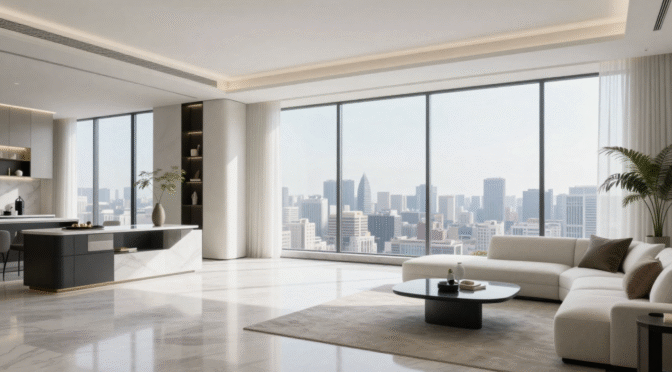
Hiring a luxury interior designer in London is about far more than selecting fabrics, finishes, or colour palettes. It is a comprehensive process that combines creativity, technical expertise, and meticulous coordination to deliver a space that feels refined, functional, and truly personal. Whether you are renovating a private residence or upgrading a commercial property, luxury design focuses on creating environments that stand the test of time.
As demand for high-end interiors continues to grow in 2026, understanding the cost structure behind luxury design services is essential. Knowing where your investment goes allows you to plan confidently and appreciate the long-term value that expert design brings.
In this guide, we break down typical pricing, the factors that influence costs, and the value you receive when working with Luxury Interior Designers London such as Oraanj Interiors.
1. Average Cost of a Luxury Interior Designer in London
The cost of hiring a luxury interior designer in London varies depending on the scale, complexity, and level of customisation required. Typically, fees range between £75 and £300 per hour, or approximately 10%–25% of the overall project value. Many studios also offer tailored design packages based on the specific needs of each client.
High-end projects often require a more involved design process, including detailed planning, bespoke elements, and coordination with multiple consultants and contractors. As a result, fees reflect the time, expertise, and resources invested in delivering a refined outcome.
For luxury residential projects, indicative costs often fall within the following ranges:
- One-bedroom apartment: £10,000–£25,000
- Two- to three-bedroom home: £30,000–£70,000+
- Large-scale or fully bespoke homes: £100,000+
These figures typically relate to comprehensive Interior Design London services, where the designer is involved throughout the project lifecycle. For an overview of what this includes, explore our Luxury Package for fully tailored solutions.
2. What’s Included in the Fee?
When you engage a luxury interior designer, you are investing in a holistic service rather than a purely decorative one. Fees usually cover a wide range of professional services designed to ensure cohesion, quality, and precision from concept to completion.
A typical luxury design package may include:
- In-depth design consultation and concept development
- Detailed space planning and architectural integration
- Curated material palettes, finishes, and specifications
- Bespoke furniture concepts and detailing
- Visual tools such as mood boards and three-dimensional visuals
- Coordination of sourcing, ordering, and installation
Studios offering Full Service Interior Design London manage every stage of the process, allowing clients to enjoy a seamless experience while ensuring the final result aligns with the original vision. This level of involvement reduces risk, minimises errors, and maintains design integrity throughout.
3. Key Factors That Affect Pricing
Luxury interior design pricing is influenced by several variables, each contributing to the overall scope and complexity of the project.
Location plays a significant role, as properties in prime central London often involve higher labour costs, access restrictions, and logistical challenges.
Project scope is another key factor, including the number of rooms, level of detail, and degree of customisation required.
Timelines can also impact pricing, with accelerated schedules sometimes incurring additional fees to accommodate fast-tracked design or sourcing.
Materials and suppliers are particularly influential, as bespoke or imported elements often require specialist craftsmanship and longer lead times.
Projects involving Bespoke Joinery London and handcrafted detailing typically sit at the higher end of the pricing scale due to the precision and expertise involved.
4. Value vs. Investment: Is It Worth It?
While luxury interior design represents a significant investment, the value it delivers extends far beyond visual appeal. A thoughtfully designed space can transform the way you live or work, improving comfort, functionality, and overall well-being.
From a financial perspective, professionally designed interiors often increase property value and market desirability. Buyers and tenants recognise the quality of well-planned layouts, premium finishes, and cohesive design narratives.
Beyond monetary returns, clients frequently highlight the emotional value of living in a space that reflects their personality and lifestyle. Expert designers integrate Interior Design Project Management to ensure every detail is executed flawlessly, allowing clients to enjoy the process without unnecessary stress.
5. Tips for Getting the Best Value
To maximise the return on your investment, it’s important to approach luxury interior design with clarity and foresight.
Start by setting a realistic budget that accounts for design fees, furnishings, and contingencies. Choosing a studio that prioritises transparency helps ensure expectations remain aligned throughout the project. Requesting a clear breakdown of costs allows you to understand how resources are allocated and where adjustments can be made if needed.
Focusing on timeless design rather than short-lived trends also enhances long-term value. Elements such as Custom Furniture Design and high-quality finishes may require a higher initial investment but often prove more cost-effective over time due to durability and enduring appeal.
Studios that offer integrated Procurement Services streamline sourcing and logistics, ensuring products arrive on time, meet quality standards, and align with the approved design.
Final Thoughts
Understanding the cost of hiring a luxury interior designer in London empowers you to plan effectively and invest with confidence. While pricing varies based on scope, location, and level of customisation, the benefits of professional expertise, bespoke solutions, and meticulous execution are undeniable.
With careful planning, attention to detail, and a commitment to quality, Oraanj Interiors helps clients achieve spaces that feel elegant, functional, and truly personal. Luxury design is not just about how a space looks—it is about how it lives, performs, and endures.
