


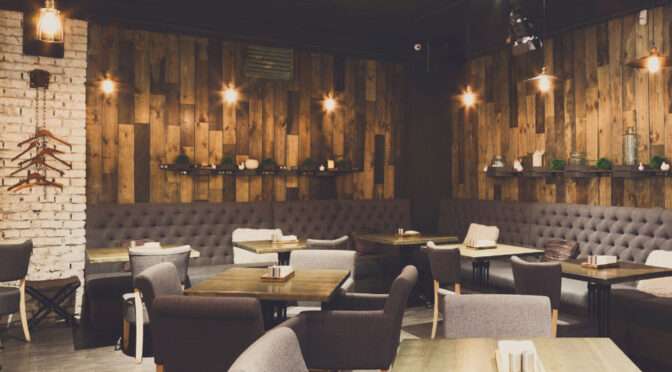
The café culture in the UK has evolved dramatically over the past decade. Cafés are no longer just places to grab a quick coffee; they have become social hubs, remote workspaces, and lifestyle destinations. As customer expectations grow, café owners are increasingly turning to cafe interior designers to create spaces that are not only visually appealing but also functional, memorable, and aligned with their brand identity.
In 2026, café design is all about creating experiences. From sustainable materials to immersive interiors and flexible seating layouts, design trends are shaping how customers interact with café spaces. For businesses planning to open a new café or renovate an existing one, understanding these trends can help create a space that attracts customers and keeps them coming back.
Why Café Interior Design Matters More Than Ever
Before diving into the trends, it’s important to understand why interior design plays such a crucial role in the success of a café.
A well-designed café can:
- Attract customers through visual appeal
- Encourage customers to stay longer
- Enhance the overall dining experience
- Strengthen brand identity
- Improve operational efficiency for staff
In an era dominated by social media and customer reviews, the interior design of a café often becomes a key marketing tool. Many customers choose cafés not only for the quality of coffee but also for the atmosphere and ambience.
This is why more café owners across the UK are investing in professional cafe interior designers who understand how to combine aesthetics, branding, and practicality.
1. Sustainable and Eco-Friendly Design
Sustainability continues to be one of the most influential trends in commercial interiors, and cafés are no exception. Environmentally conscious consumers increasingly prefer businesses that demonstrate sustainable practices.
Leading cafe interior designers are incorporating eco-friendly materials and energy-efficient solutions into café spaces.
Common sustainable design features include:
- Reclaimed wood furniture
- Recycled metal fixtures
- Low-energy lighting systems
- Sustainable flooring materials
- Indoor plants and natural elements
Not only does sustainable design reduce environmental impact, but it also creates warm and inviting interiors that resonate with modern customers.
2. Biophilic Design: Bringing Nature Indoors
Biophilic design has become a defining trend in commercial interiors across the UK. This design approach focuses on integrating natural elements into indoor spaces to create a calming and refreshing environment.
In cafés, biophilic design can significantly enhance customer comfort and wellbeing.
Key elements include:
- Vertical plant walls
- Natural wood finishes
- Indoor greenery
- Large windows for natural light
- Organic textures and materials
Professional cafe interior designers often use biophilic elements to create a relaxed atmosphere that encourages customers to linger longer and enjoy their time in the café.
3. Instagram-Worthy Interiors
Social media has had a massive influence on café design trends. Many customers actively seek out aesthetically pleasing cafés that are perfect for sharing on platforms like Instagram.
As a result, café interiors are increasingly being designed with photogenic features.
Popular Instagram-friendly design elements include:
- Statement walls
- Artistic murals
- Unique lighting fixtures
- Colourful seating areas
- Branded décor features
Experienced cafe interior designers understand how to create visually striking spaces that naturally encourage customers to take photos and share their experiences online, providing valuable organic marketing for the business.
4. Flexible Seating Layouts
Modern cafés serve multiple purposes. Some customers visit for a quick takeaway coffee, while others stay for hours to work, meet friends, or study.
To accommodate different customer needs, flexible seating layouts are becoming increasingly popular.
These may include:
- Communal tables for groups
- Comfortable lounge seating
- Window bar seating
- Compact tables for individuals
- Multi-functional furniture arrangements
By carefully planning the layout, cafe interior designers ensure the space is versatile while maintaining a smooth flow for both customers and staff.
5. Minimalist and Modern Design
Minimalist interiors continue to be a strong trend in café design, particularly in urban areas across the UK. This style focuses on simplicity, clean lines, and uncluttered spaces.
Minimalist café interiors often feature:
- Neutral colour palettes
- Sleek furniture designs
- Subtle lighting
- Open layouts
- Natural materials
A minimalist design approach allows the focus to remain on the café’s core offerings—great coffee, delicious food, and a welcoming environment.
Professional cafe interior designers use minimalism strategically to create elegant spaces that feel calm and refined.
6. Warm and Cosy Atmospheres
While minimalist design is popular, many cafés are also embracing warm and cosy interiors that make customers feel at home. This trend focuses on comfort and inviting environments that encourage people to relax and stay longer.
Design elements often include:
- Soft lighting
- Warm colour palettes
- Upholstered seating
- Wooden textures
- Ambient lighting
A cosy atmosphere is particularly effective for neighbourhood cafés that aim to build a strong sense of community.
7. Statement Lighting
Lighting plays a crucial role in café interior design. Beyond functionality, lighting has become a powerful decorative element.
In 2026, statement lighting is expected to remain a key design trend.
Examples include:
- Pendant lights above tables
- Industrial-style lighting fixtures
- Sculptural light installations
- Warm ambient lighting systems
Professional cafe interior designers carefully balance natural and artificial lighting to create a comfortable and visually appealing environment throughout the day.
8. Brand-Focused Interior Design
Today’s cafés are often built around strong brand identities. Whether the café focuses on artisan coffee, vegan food, or a vintage aesthetic, the interior design must reflect the brand story.
Brand-focused design may include:
- Custom signage and graphics
- Branded colour schemes
- Unique furniture designs
- Thematic décor elements
Expert cafe interior designers work closely with business owners to translate their brand identity into a physical environment that customers can experience.
9. Smart Technology Integration
Technology is gradually becoming part of café interiors. Smart solutions help improve operational efficiency while enhancing customer convenience.
Examples include:
- Digital menu boards
- Smart lighting systems
- Self-order kiosks
- Integrated charging stations
These technological features must be integrated seamlessly into the design so they enhance the space rather than disrupt the aesthetic.
This is where experienced cafe interior designers play a vital role in balancing design and technology.
10. Multi-Functional Café Spaces
In 2026, cafés are increasingly being designed as multi-purpose spaces.
Many cafés now host:
- Community events
- Small workshops
- Live music performances
- Art exhibitions
To support these activities, designers are creating flexible layouts that can easily adapt to different functions.
For example, movable furniture and adaptable lighting systems allow the café to transform from a daytime coffee shop into an evening event venue.
How Professional Cafe Interior Designers Transform Spaces
While design inspiration can be found everywhere, transforming a concept into a successful commercial space requires professional expertise.
Experienced cafe interior designers provide several key advantages:
Strategic Space Planning
Designers ensure every square metre is used efficiently without compromising customer comfort.
Creative Design Concepts
They develop unique concepts that help cafés stand out in competitive markets.
Compliance with UK Regulations
Commercial interiors must meet strict safety and accessibility requirements.
Project Management
Professional designers coordinate contractors, suppliers, and installations to ensure the project runs smoothly.
Working with a skilled design team significantly reduces the risk of costly mistakes and delays.
Why Choose Oraanj Interior Design for Café Projects
When it comes to designing inspiring commercial spaces, experience and creativity are essential.
Oraanj Interior Design has built a strong reputation for delivering innovative commercial interiors that balance functionality, aesthetics, and brand storytelling.
Their design approach focuses on:
- Understanding each client’s vision
- Creating unique and engaging interiors
- Maximising space efficiency
- Delivering high-quality design solutions
As experienced cafe interior designers, the team works closely with café owners to develop spaces that attract customers, enhance brand identity, and support long-term business success.
Final Thoughts
Café design continues to evolve as customer expectations change and new design ideas emerge. In 2026, successful cafés will be those that combine style, comfort, sustainability, and functionality to create memorable experiences.
From biophilic interiors and flexible seating to statement lighting and brand-focused design, these trends are shaping the future of café spaces across the UK.
By partnering with experienced cafe interior designers, café owners can bring these trends to life while ensuring their space remains practical, efficient, and visually distinctive.
For businesses planning to launch or renovate a café, working with a professional design studio like Oraanj Interior Design can transform an ordinary space into a thriving and inviting café destination.


